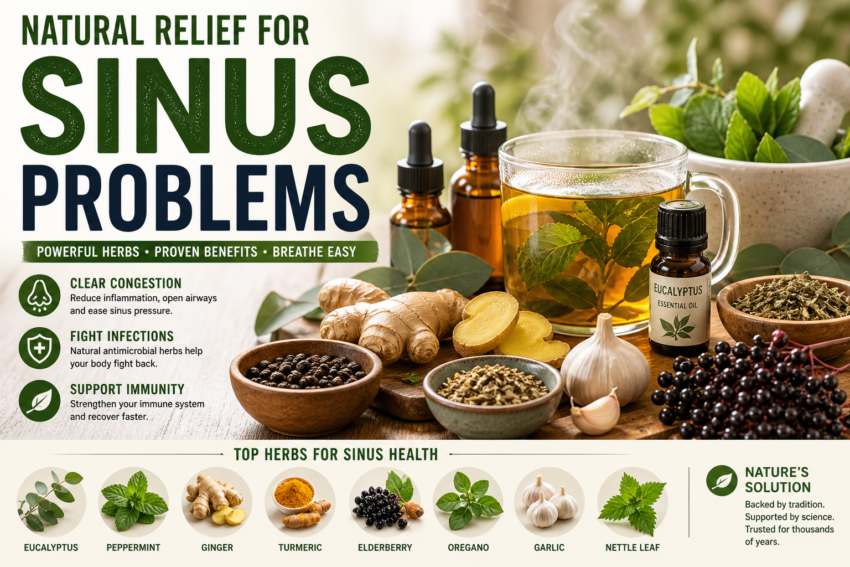
Why People Turn to Herbs for Sinus Problems
Sinus problems are one of the most common health complaints in the US. Millions of people deal with congestion, pressure, runny nose, and sinus infections every year — and a lot of them are looking for relief that doesn’t come with the drowsiness, dryness, or rebound congestion that over-the-counter medications can cause.
That’s where herbal remedies come in. People have been using plants to support sinus health for thousands of years, and modern research is beginning to validate many of those traditional uses. Herbs won’t replace antibiotics when you have a serious bacterial infection — but for everyday congestion, seasonal allergy symptoms, and mild sinus irritation, several herbs have genuine evidence behind them.
One important note before we dive in: if you have a sinus infection that’s lasted more than 10 days, comes with a fever above 102°F, or causes severe facial pain or swelling, see a doctor. Herbal remedies work best as a complement to medical care — not a replacement for it when things get serious.
How Herbs Help Your Sinuses — The Science Behind It
Different herbs work in different ways on your sinuses. Most fall into one of three categories:
Anti-inflammatory herbs reduce swelling in the nasal passages and sinus lining, which relieves pressure and improves drainage. Turmeric and ginger are the most well-researched examples.
Antimicrobial herbs help fight the bacteria or viruses contributing to sinus infections. Oregano oil, garlic, and goldenseal all have documented antimicrobial properties in peer-reviewed research.
Decongestant herbs work by opening up the nasal passages — either through volatile compounds that you inhale (like eucalyptus and peppermint) or by stimulating circulation and drainage (like horseradish).
It’s worth being honest about the evidence. Some herbs have solid research behind them; others have strong traditional use but limited clinical trials. Where studies exist, we’ll mention them — because knowing the strength of the evidence helps you make better decisions.
The Best Herbs for Sinus Congestion
These are the herbs with the strongest track record for relieving sinus congestion specifically. If you’re dealing with stuffed-up nasal passages and sinus pressure, start here.
1. Eucalyptus
Eucalyptus is probably the most well-known herbal remedy for congestion — and it earns that reputation. The active compound, cineole (also called eucalyptol), has been shown in clinical studies to reduce sinus inflammation and improve symptoms of sinusitis. It works best inhaled — either through steam inhalation, a diffuser, or a chest rub containing eucalyptus oil.
How to use it: Add 3–5 drops of eucalyptus essential oil to a bowl of hot water, drape a towel over your head, and inhale for 5–10 minutes. Repeat 2–3 times per day during acute congestion.
2. Peppermint
Peppermint’s active compound, menthol, creates that cooling, open-airway sensation that makes it feel like you can breathe again. It doesn’t actually dilate the nasal passages — but it activates cold receptors in the nose that reduce the sensation of congestion, and it has mild anti-inflammatory properties. Research published in the journal Phytotherapy Research supports peppermint’s effectiveness for upper respiratory symptoms.
How to use it: Peppermint tea is the easiest method — the steam alone helps as you drink. Peppermint essential oil works well for steam inhalation too. Avoid applying undiluted peppermint oil directly under the nose, especially with children.
3. Ginger
Ginger is a powerful anti-inflammatory with a long history of use for respiratory conditions. Its active compounds — gingerols and shogaols — inhibit inflammatory pathways that contribute to sinus swelling and mucus overproduction. A study published in the Journal of Ethnopharmacology found ginger extract effective at reducing inflammation in respiratory tissues.
How to use it: Fresh ginger tea (sliced ginger steeped in hot water with honey and lemon) is both effective and easy to make. Aim for 2–3 cups per day. Ginger supplements are also available if you prefer capsules.
4. Turmeric
Turmeric’s anti-inflammatory power comes from curcumin, one of the most studied natural compounds in modern medicine. Research shows curcumin can reduce nasal inflammation and may help modulate the immune response that drives chronic sinusitis. It works particularly well for allergy-driven sinus symptoms.
How to use it: Golden milk (turmeric mixed into warm milk or a milk alternative with black pepper — the black pepper increases curcumin absorption significantly) is a popular and effective preparation. Look for supplements that include black pepper extract (piperine) for better absorption.
5. Elderberry
Elderberry is best known as an immune booster for colds and flu, but it also has direct relevance for sinus health. Its antiviral properties may help shorten the duration of viral sinus infections, and its flavonoids have anti-inflammatory effects on the mucous membranes. A Cochrane review found elderberry supplements reduced the duration and severity of respiratory illness symptoms.
How to use it: Elderberry syrup is the most common form — 1 tablespoon daily as a preventive measure, or 1 tablespoon 3–4 times daily during active illness. Elderberry gummies and capsules are also widely available.
6. Horseradish
Horseradish might not be the first thing you think of for sinus congestion — but it should be. The volatile compounds in fresh horseradish are potent natural decongestants that thin mucus and stimulate sinus drainage almost immediately. Traditional European herbalism has long used horseradish for exactly this purpose.
How to use it: A small amount of fresh or prepared horseradish on food can provide noticeable sinus-opening effects. Horseradish is also combined with nasturtium in some European herbal formulas that have clinical trial support for sinusitis.
7. Mullein
Mullein is less mainstream but highly regarded among herbalists for respiratory and sinus support. It acts as an expectorant — helping to thin and loosen mucus so it can drain more effectively — and has mild anti-inflammatory properties. It’s particularly useful when congestion comes with thick, difficult-to-clear mucus.
How to use it: Mullein tea is the traditional preparation. Steep 1–2 teaspoons of dried mullein leaf in hot water for 10–15 minutes, strain carefully (the leaf hairs can irritate the throat if not strained well), and drink 2–3 cups per day.
Best Herbs for Sinus Infection Specifically
Sinus congestion and sinus infections are related but different problems. A sinus infection (sinusitis) involves inflammation of the sinus cavities — often triggered by a viral or bacterial infection. These herbs have antimicrobial properties that make them particularly relevant for infection-related sinus symptoms.
Oregano
Oil of oregano is one of the most potent natural antimicrobials available. Its active compounds — carvacrol and thymol — have demonstrated antibacterial and antifungal activity in laboratory studies, including against common respiratory pathogens. While clinical trials in humans are limited, oregano oil is widely used and well-regarded for early-stage sinus infections.
How to use it: Oil of oregano is available as a supplement or liquid extract. Follow product dosing instructions — it’s potent and should be taken with food. Don’t use it for more than 2 weeks continuously.
Garlic
Garlic has been used medicinally for thousands of years, and modern research consistently backs its antimicrobial credentials. Allicin — the compound released when garlic is crushed — has documented antibacterial, antiviral, and antifungal properties. For sinus infections, garlic works best when consumed fresh and raw (crushing it and letting it sit for 10 minutes before eating maximizes allicin production).
How to use it: Add 1–2 raw crushed garlic cloves to food daily during a sinus infection. Garlic supplements are available but less effective than fresh — the allicin content varies widely between products.
Echinacea
Echinacea is the most widely studied herbal remedy for upper respiratory infections. Meta-analyses of clinical trials suggest it can reduce the duration of colds and upper respiratory infections, including sinusitis, when taken at the onset of symptoms. It works by stimulating immune response rather than directly killing pathogens.
How to use it: Echinacea tinctures, teas, and capsules are all available. It’s most effective taken at the first sign of illness rather than as a long-term supplement. Avoid using it continuously for more than 8 weeks.
Goldenseal
Goldenseal contains berberine, a compound with well-documented antimicrobial properties against a range of bacteria. It’s often combined with echinacea in commercial products, and the combination has a long tradition of use for sinus infections. Goldenseal also has mild astringent properties that can help reduce mucous membrane inflammation.
How to use it: Goldenseal is available as a tincture, capsule, or as part of combination formulas. Don’t use it during pregnancy, and avoid long-term continuous use.
Herbs for Runny Nose
A runny nose has different underlying causes — allergies, viral infection, irritants, or cold air — and the best herbal approach depends on which one is driving your symptoms. These herbs work best for allergy-related and inflammatory runny nose.
Nettle Leaf
Stinging nettle (Urtica dioica) is one of the best-researched natural antihistamines. A double-blind study published in Planta Medica found freeze-dried nettle leaf rated as effective as antihistamine medications by participants for allergic rhinitis. It works by inhibiting histamine release and reducing inflammatory compounds associated with allergic reactions.
How to use it: Nettle leaf tea (2–3 cups per day during allergy season) or freeze-dried nettle capsules. The freeze-dried form appears more effective than cooked or dried preparations.
Butterbur
Butterbur has some of the strongest clinical evidence of any herb for allergic rhinitis. Multiple clinical trials — including head-to-head comparisons with cetirizine (Zyrtec) — have found butterbur extracts effective for reducing runny nose, sneezing, and nasal congestion from allergies, without the sedation of antihistamines.
How to use it: Always use a PA-free (pyrrolizidine alkaloid-free) butterbur supplement — the raw plant contains compounds that can be toxic to the liver. Look for products certified PA-free and follow package dosing instructions.
Eyebright
Eyebright (Euphrasia officinalis) has a long traditional use for eye and nasal symptoms associated with allergies and colds. It has mild astringent and anti-inflammatory properties that help reduce excessive mucus production and nasal discharge. The evidence is mostly traditional and observational rather than from large clinical trials.
How to use it: Eyebright tea or tincture, taken internally. It’s also found in several combination herbal formulas for allergy and sinus symptoms.
How to Use Herbs for Sinus Relief — Forms and Methods
Herbal teas are the easiest and most accessible method. The combination of the herb itself and the steam from a hot cup gives you a double benefit. Best for: ginger, peppermint, mullein, nettle, eyebright.
Steam inhalation delivers volatile compounds directly to the nasal passages. Fill a bowl with hot (not boiling) water, add 4–5 drops of essential oil or a strong herbal infusion, drape a towel over your head, and breathe deeply for 5–10 minutes. Best for: eucalyptus, peppermint.
Tinctures are concentrated liquid herbal extracts in an alcohol or glycerin base. They’re fast-absorbing and allow precise dosing. Best for: echinacea, goldenseal, oregano, elderberry.
Capsules and supplements are the most convenient option for daily use or when you need consistent dosing. Best for: turmeric (curcumin), butterbur, elderberry, nettle.
Essential oils via diffuser provide ambient inhalation benefits throughout the day. Best for: eucalyptus, peppermint. Don’t diffuse essential oils around young children, pets, or people with asthma without checking safety guidelines first.
Best Sinus Herbal Supplements in 2026
If you’d rather not prepare teas or tinctures from scratch, these pre-made supplements are among the most reputable options available on Amazon.
WishGarden Herbs Kick-Ass Sinus
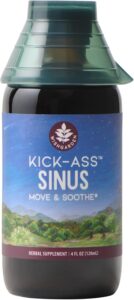
A liquid herbal formula combining echinacea, elderberry, and other immune-supporting herbs specifically formulated for sinus and respiratory support. WishGarden is a well-regarded US herbal brand with transparent ingredient sourcing. Best for acute sinus infections and immune support at the onset of illness.
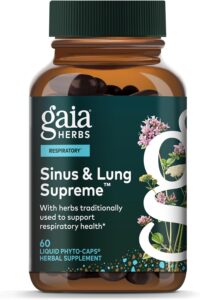
Gaia is one of the most trusted herbal supplement brands in the US, with rigorous quality testing and full supply chain transparency. Their Sinus Supreme formula combines elderberry, horseradish, eyebright, and other sinus-supportive herbs in a liquid phyto-capsule. Best for ongoing sinus congestion and seasonal support.
Beekeeper’s Naturals Sinus Support
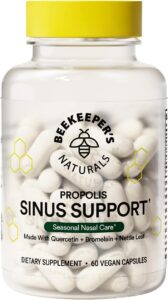
A propolis-based formula with added herbal ingredients. Propolis has documented antimicrobial and anti-inflammatory properties, making this a good choice for people who want a honey/propolis-based approach alongside herbal support.
What to look for when buying a sinus herbal supplement:
- Clear ingredient list with dosages specified — avoid proprietary blends that hide amounts
- Third-party testing or certification (NSF, USP, or brand-run testing with published results)
- Reputable brand with transparent ingredient sourcing
- Check for any herb-drug interactions relevant to your medications
Herbs for Sinus Relief — Safety and Precautions
Drug interactions: Echinacea may interact with immunosuppressant medications. Goldenseal can affect how your liver processes certain drugs. Turmeric in high doses can enhance the blood-thinning effects of warfarin. If you take prescription medications, check with your doctor or pharmacist before adding herbal supplements.
Pregnancy: Several herbs commonly used for sinus symptoms — including goldenseal, oregano oil (in supplement doses), and butterbur — should be avoided during pregnancy. Stick to food-level amounts of ginger and garlic, and consult your healthcare provider before taking any supplement while pregnant.
Immune conditions: People on immunosuppressant medications should be cautious with immune-stimulating herbs like echinacea and elderberry.
Children: Many herbal supplements are not tested or dosed for children. Peppermint oil should not be applied near the face of infants and young children. Check age recommendations on all products before giving them to kids.
When to see a doctor: Herbal remedies are not appropriate as the sole treatment for bacterial sinus infections, especially if symptoms are worsening, you have a high fever, or you’ve had symptoms for more than 10 days without improvement.
Frequently Asked Questions
What is the most powerful herb for sinus congestion?
Eucalyptus has the strongest clinical evidence for sinus congestion specifically, thanks to its active compound cineole, which has been studied in multiple clinical trials for sinusitis relief. For an immediate decongestant effect, fresh horseradish is also remarkably effective.
Can herbs cure a sinus infection?
Herbs can support your immune system and relieve symptoms during a sinus infection, but they can’t reliably cure a bacterial sinus infection the way antibiotics can. For viral sinus infections (which are far more common), herbs can meaningfully shorten duration and ease symptoms. If your infection is bacterial and severe, see a doctor.
How long do herbal remedies take to work for sinuses?
Inhaled herbs like eucalyptus and peppermint work within minutes for temporary relief. Anti-inflammatory herbs like ginger and turmeric typically take a few days of consistent use to build up a noticeable effect. Immune-supportive herbs like echinacea and elderberry work best when started early — at the very first sign of illness.
Are sinus herbal supplements safe?
Most sinus herbal supplements are safe for healthy adults when used as directed and purchased from reputable brands. The main risks come from poor-quality products, drug interactions, and use by people with specific health conditions. Always buy from brands with third-party testing and check for interactions with any medications you take.
Can I use herbs for a runny nose caused by allergies?
Yes — and some herbs are particularly well-suited to allergic rhinitis. Nettle leaf and butterbur both have clinical evidence supporting their use for allergy-related runny nose and are worth trying as a first-line natural approach before reaching for antihistamines.
Final Thoughts
Herbs offer a genuine, evidence-supported toolkit for managing sinus symptoms — from congestion and infections to allergy-driven runny nose. The key is matching the right herb to your specific symptom and using it in the right form.
A quick summary of the best herbs by condition:
- Congestion: Eucalyptus, peppermint, horseradish, mullein
- Sinus infection: Oregano, garlic, echinacea, goldenseal
- Runny nose (allergy): Nettle leaf, butterbur, eyebright
- General sinus support: Ginger, turmeric, elderberry
Used consistently and correctly, these herbs can meaningfully reduce how often you reach for OTC medications and how long sinus symptoms drag on. That said, always listen to your body — and when symptoms are severe or persistent, a doctor’s assessment is always the right call.
This article is for informational purposes only and does not constitute medical advice. Always consult a qualified healthcare provider before starting any herbal supplement, especially if you are pregnant, nursing, taking medications, or have an existing health condition.