
Medical Disclaimer: This article is for informational purposes only and does not constitute medical advice. Always consult a qualified healthcare provider before using herbal remedies, especially if you are pregnant, nursing, taking medications, or managing a health condition.
Why People Are Taking Rosemary Seriously Again
Rosemary has been sitting in spice racks and herb gardens for centuries. Most people know it as the thing that makes roast chicken smell incredible. But there’s growing interest — and a decent amount of research — around what happens when you brew it into a tea and actually drink it.
This isn’t folk medicine for the sake of tradition. Rosemary (Salvia rosmarinus, formerly Rosmarinus officinalis) contains a range of bioactive compounds that have been studied for real effects on the brain, gut, and immune system. The evidence isn’t all settled, but it’s more than you’d expect from something that grows wild on a Mediterranean hillside.
Here’s what rosemary herbal tea benefits actually look like when you look at them honestly.
The Compounds Doing the Heavy Lifting
Before diving into the benefits, it helps to understand what’s actually in rosemary tea. When you steep rosemary in hot water, you’re extracting several key compounds.
- Rosmarinic acid — a potent antioxidant and anti-inflammatory agent
- Carnosic acid — shown in studies to protect neurons and support liver function
- Ursolic acid — linked to anti-inflammatory and antimicrobial activity
- Caffeic acid — another polyphenol with antioxidant properties
- 1,8-cineole (eucalyptol) — a volatile compound associated with cognitive effects
These aren’t trace amounts either. Rosemary is one of the more concentrated herbal sources of polyphenols, which is part of why it’s been used medicinally across European, Arabic, and Ayurvedic traditions for thousands of years.
Rosemary Herbal Tea Benefits Worth Knowing About
1. It May Sharpen Memory and Focus
This is probably the most talked-about benefit — and it has more science behind it than most people realize. A 2012 study published in Therapeutic Advances in Psychopharmacology found that even the aroma of rosemary was enough to improve speed and accuracy on cognitive tests. Drinking it delivers those compounds directly.
The compound most responsible is 1,8-cineole, which appears to inhibit acetylcholinesterase — the enzyme that breaks down acetylcholine, a neurotransmitter critical for memory and learning. That’s the same mechanism targeted by some pharmaceutical drugs used in early Alzheimer’s treatment.
That’s not a claim that rosemary tea treats Alzheimer’s. It doesn’t. But the underlying mechanism is real, and the cognitive effects in healthy adults are genuinely supported by preliminary research. If you’re looking for herbal support for mental clarity and headaches, rosemary is one of the more evidence-backed options.
2. Strong Antioxidant Activity
Oxidative stress — the damage caused by free radicals — is tied to aging, inflammation, and chronic disease. Rosemary tea is a meaningful source of antioxidants, particularly rosmarinic acid, which has been shown in lab studies to neutralize free radicals effectively.
The National Institutes of Health (NIH) recognizes rosemary as a source of antioxidant compounds, and rosmarinic acid in particular has been the subject of numerous peer-reviewed studies. It’s not magic, but regular intake of antioxidant-rich foods and drinks does have measurable benefits over time.
3. Anti-Inflammatory Effects
Chronic low-grade inflammation is the quiet engine behind a huge range of health problems — joint pain, cardiovascular disease, metabolic issues. Rosemary contains multiple compounds shown to reduce inflammatory markers in cell and animal studies.
Rosmarinic acid, carnosic acid, and ursolic acid all demonstrate anti-inflammatory activity in research settings. The human evidence is still catching up, but the biochemical basis is solid. Think of rosemary tea less as a treatment and more as a low-effort way to add anti-inflammatory compounds to your daily routine.
4. Digestive Support
Rosemary has a long history as a digestive herb in European folk medicine, and there’s some scientific backing for it. It acts as a mild carminative — meaning it can help reduce gas, bloating, and cramping by relaxing the smooth muscle of the gastrointestinal tract.
The European Medicines Agency (EMA) has recognized rosemary leaf for traditional use in the symptomatic treatment of mild digestive complaints, including flatulence and bloating. That’s a meaningful stamp of credibility for a herbal remedy. If you’re dealing with broader stomach issues, pairing rosemary with other well-studied options is worth exploring — the best herbal teas for an upset stomach covers several options that work well alongside rosemary.
5. Antimicrobial Properties
Rosemary extracts have shown antibacterial and antifungal activity in lab studies, including against common pathogens like Staphylococcus aureus and Candida albicans. Whether this translates meaningfully to drinking the tea is less clear — concentrations in a cup of tea are lower than in extracts.
That said, regularly drinking an herb with antimicrobial properties isn’t a bad thing, especially during winter months when you’re looking for any reasonable immune support. It pairs well conceptually with the kind of warming herbal drinks people reach for when they’re fighting off a cold — similar territory to the herbal drinks recommended for sore throat.
6. Circulation and Cardiovascular Support
Some early research suggests rosemary may have mild vasodilatory effects — meaning it can help blood vessels relax and widen, which supports circulation. This is partly attributed to its carnosic acid content and its effect on nitric oxide pathways.
Better circulation is good for nearly everything — brain function, energy levels, and cardiovascular health. The evidence here is still largely preclinical, but it lines up with the broader cardiovascular benefits associated with polyphenol-rich diets.
7. Mood and Stress Relief
This one’s a bit underappreciated. Rosemary contains compounds that interact with GABA receptors in the brain — the same receptors targeted by anti-anxiety medications like benzodiazepines, though in a much milder way. A study published in Complementary Therapies in Clinical Practice found that rosemary aromatherapy reduced cortisol levels in nursing students before exams.
Drinking the tea gives you a slower, gentler version of that effect. Don’t expect it to knock out serious anxiety, but as part of a wind-down routine, it’s a reasonable choice — and unlike many calming herbs, it’s non-sedating, so you can drink it without worrying about it making you drowsy. If sleep support is what you’re after, the herbs that actually work for sleep are a better fit.
How to Make Rosemary Tea
It’s simple. Here’s what works:
- Take 1–2 teaspoons of fresh rosemary leaves (or about 1 teaspoon dried) per cup.
- Bring water to just below boiling — around 195°F (90°C).
- Steep for 5–10 minutes. Longer gives a stronger, more medicinal flavor.
- Strain and drink as is, or add honey and lemon.
Fresh rosemary from your garden or grocery store works perfectly well. Dried rosemary is slightly more concentrated in flavor but equally effective. Aim for no more than 2–3 cups per day.
Rosemary Tea vs. Other Herbal Teas: A Quick Comparison
| Herb | Primary Benefit | Sedating? | Digestive Support | Cognitive Effect |
|---|---|---|---|---|
| Rosemary | Memory, antioxidant, anti-inflammatory | No | Yes (mild) | Stimulating / clarifying |
| Chamomile | Relaxation, sleep, digestion | Yes (mild) | Yes | Calming |
| Peppermint | Digestion, headaches | No | Yes (strong) | Mildly stimulating |
| Oregano | Antimicrobial, immune support | No | Mild | Minimal |
| Valerian | Sleep, anxiety | Yes (strong) | No | Sedating |
Rosemary sits in a useful middle ground — energizing rather than sedating, with both cognitive and digestive benefits in one cup. For a deeper look at how oregano tea compares in its own right, oregano herbal tea benefits is worth reading alongside this.
Side Effects and Safety Concerns
Rosemary tea is generally safe for most healthy adults when consumed in normal amounts — meaning a cup or two per day made from culinary amounts of the herb. But there are real cautions worth knowing.
- Pregnancy: Avoid rosemary tea during pregnancy. In large amounts, rosemary can stimulate uterine contractions. The EMA explicitly advises against its use during pregnancy. This is a firm warning, not a vague precaution.
- Epilepsy: Some research suggests high doses of rosemary compounds may lower the seizure threshold. People with epilepsy should consult their doctor before using rosemary therapeutically.
- Blood thinners: Rosemary has mild anticoagulant properties. If you’re taking warfarin or other blood thinners, talk to your doctor before adding regular rosemary tea to your routine.
- Blood pressure medications: Rosemary may interact with ACE inhibitors and diuretics. Monitor blood pressure if you’re on these medications and drinking rosemary tea regularly.
- Allergies: Rosemary is in the Lamiaceae (mint) family. If you’re allergic to related herbs like lavender, sage, or mint, proceed with caution.
At culinary doses — a sprig steeped in water — the risk profile is low. Problems are more likely with concentrated supplements or essential oils, which are far more potent than brewed tea.
When to See a Doctor
Rosemary tea is a supplement to good health, not a substitute for medical care. See a doctor if:
- You experience allergic reactions — rash, swelling, or difficulty breathing — after drinking rosemary tea.
- You’re using it to manage a persistent health condition like chronic inflammation, cognitive decline, or digestive disease, and symptoms aren’t improving.
- You’re pregnant and have already consumed large amounts — get in touch with your OB or midwife.
- You notice unusual bleeding or bruising if you’re on blood thinners and drinking rosemary tea regularly.
- You develop seizure activity or unusual neurological symptoms.
Herbal remedies work best as part of an overall healthy lifestyle — not as a replacement for professional diagnosis and treatment.
Where to Get Good Rosemary Tea
Growing your own is the simplest option — rosemary is one of the easiest herbs to keep on a windowsill or in a garden pot. But if you’d rather buy it ready to brew, there are good options available.
Celebration Herbals Rosemary Leaf Tea is a solid organic option — pure rosemary leaves, no fillers, and a reliable source for medicinal-quality herb.
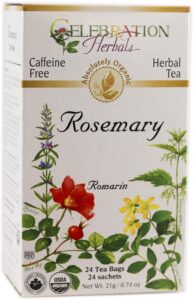
You can find it on Amazon here.
For loose-leaf brewing, Frontier Co-op Organic Rosemary Leaf gives you a larger quantity for regular use and is a trusted brand in the herbal community.
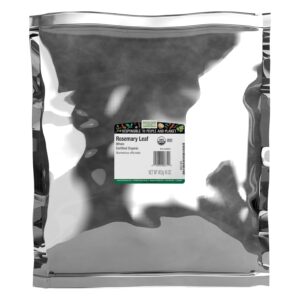
Available on Amazon here.
Either way, look for organic certification and simple ingredient lists — rosemary only, no added flavors or fillers.
The Bottom Line on Rosemary Herbal Tea
Rosemary herbal tea benefits are real — they’re just not dramatic overnight transformations. What you’re getting is a daily dose of well-researched antioxidants, anti-inflammatory compounds, and cognitive-supporting phytochemicals in a form your body can actually absorb.
It won’t replace medication. It won’t cure disease. But as a low-effort, low-risk addition to a sensible health routine, it earns its place — especially if you’re looking for mental clarity, gentle digestive support, or just a way to make your daily tea habit work harder for you.
Brew it fresh, keep your intake moderate, and check with your doctor if you’re on medication or managing any health condition. That’s genuinely good advice for any herbal remedy, and rosemary is no exception.
Frequently Asked Questions
What does rosemary tea do for the body?
Rosemary tea provides antioxidants, anti-inflammatory compounds, and bioactive phytochemicals that support cognitive function, digestive health, circulation, and immune defense. The specific compounds rosmarinic acid and 1,8-cineole are the most studied for these effects.
Can I drink rosemary tea every day?
Yes, for most healthy adults, 1–2 cups of rosemary tea per day made from culinary amounts of the herb is considered safe. Avoid high doses and consult a doctor if you’re on medication or have a health condition.
Does rosemary tea help with memory?
There is genuine scientific support for this. The compound 1,8-cineole in rosemary inhibits an enzyme that breaks down acetylcholine, a neurotransmitter important for memory and learning. Research in healthy adults has shown improved speed and accuracy on cognitive tasks.
Who should not drink rosemary tea?
Pregnant women should avoid therapeutic amounts of rosemary tea due to the risk of uterine contractions. People with epilepsy, those on blood thinners or blood pressure medications, and anyone with a mint-family allergy should consult a doctor before regular use.
Does rosemary tea have caffeine?
No. Rosemary tea is naturally caffeine-free. It may feel energizing due to its cognitive-stimulating compounds, but it won’t cause the jitteriness or sleep disruption associated with caffeine.
How long does it take to feel the benefits of rosemary tea?
Some effects — like mild mental clarity or digestive ease — can be felt relatively quickly after drinking it. Longer-term benefits related to antioxidant and anti-inflammatory activity build up gradually with consistent use over weeks and months.
Can rosemary tea help with hair growth?
Rosemary is widely used topically for hair growth, with some clinical evidence supporting it. Drinking the tea delivers antioxidants systemically, but the evidence for internal consumption specifically improving hair growth is limited. Topical rosemary oil has stronger research behind it for that particular benefit.
Medical Disclaimer: The information in this article is intended for educational purposes only. It is not a substitute for professional medical advice, diagnosis, or treatment. Always consult your doctor or a qualified health provider before starting any new herbal supplement, especially if you are pregnant, breastfeeding, taking prescription medications, or managing a chronic health condition.