
This post contains affiliate links. If you buy through our links we may earn a small commission — at no extra cost to you. This never influences our recommendations.
Your Stomach Hurts — Here’s What to Drink
An upset stomach rarely announces what kind it is. Sometimes it’s the sharp burn of acid reflux creeping up from dinner. Sometimes it’s the heavy, bloated feeling that comes with eating too fast or too much. Sometimes it’s nausea that won’t settle, or cramping that makes you want to lie flat and not move.
The good news is that herbal teas address all of these — different herbs for different problems. The key is knowing which tea matches which symptom, rather than just grabbing whatever’s at the back of the cupboard.
One important note first: herbal teas are appropriate for mild, occasional digestive symptoms. See a doctor if you have severe abdominal pain, blood in stool, unexplained weight loss, symptoms lasting more than two weeks, or symptoms that worsen despite home treatment.
Match the Tea to the Symptom
| Symptom | Best Tea |
|---|---|
| Nausea | Ginger |
| Bloating and gas | Peppermint, fennel |
| Acid reflux / GERD | Chamomile, licorice root, marshmallow root |
| Stomach cramping | Chamomile, peppermint |
| Indigestion / after meals | Ginger, fennel, peppermint |
| Belly ache (general) | Chamomile, ginger |
| IBS symptoms | Peppermint, fennel |
| Stress-related stomach upset | Chamomile, lemon balm |
| Diarrhea | Chamomile, green tea |
Ginger Tea — Best for Nausea and Indigestion
Ginger is the most universally useful herb for digestive complaints and the one with the deepest research base. Its active compounds — gingerols and shogaols — work on multiple mechanisms simultaneously: they block the 5-HT3 receptors in the gut that trigger nausea, reduce inflammation in the digestive lining, stimulate gastric emptying so food moves through faster, and relax the smooth muscle of the GI tract.
A systematic review of clinical trials found ginger significantly effective for nausea from chemotherapy, surgery, pregnancy morning sickness, and motion sickness — an unusually broad evidence base for a single herb.
What it’s best for: Nausea of any kind — morning sickness, motion sickness, post-meal nausea. Also excellent for general indigestion, bloating, and stimulating sluggish digestion before or after meals.
How to make fresh ginger tea:
- Peel and slice 5–6 pieces of fresh ginger (about a thumb-sized piece)
- Simmer in 2 cups of water for 10–15 minutes
- Strain and allow to cool slightly
- Add raw honey and fresh lemon to taste
- Drink warm — 2–3 cups per day during acute nausea, or 1 cup before/after meals for digestive support
One important caveat: Peppermint is the better choice for nausea caused by acid reflux or GERD — ginger can occasionally aggravate reflux in sensitive individuals at higher doses. If ginger worsens your reflux, switch to chamomile.
Peppermint Tea — Best for Bloating, Gas, and IBS
Peppermint is the go-to herb for anything involving gas, bloating, and cramping — and the clinical evidence is unusually strong. A 2022 systematic review and meta-analysis found peppermint oil more effective than placebo for reducing IBS symptoms. A 2023 review confirms that menthol — peppermint’s primary active compound — relaxes the smooth muscle of the intestinal wall, relieves pain, and reduces spasm. Trapped gas releases more easily. Cramping eases.
What it’s best for: Bloating and gas (the most effective tea for these symptoms), IBS-related cramping and discomfort, indigestion after heavy meals, general GI spasm.
⚠️ Critical safety note for acid reflux and GERD sufferers: Peppermint relaxes the lower esophageal sphincter — the valve between the esophagus and stomach. In people with GERD or heartburn, this relaxation allows stomach acid to reflux upward, making symptoms worse. If you have acid reflux or GERD, avoid peppermint tea and choose chamomile or marshmallow root instead.
How to make peppermint tea:
- Steep 1–2 teaspoons of dried peppermint leaves (or 1 tea bag) in just-boiled water
- Cover while steeping to retain volatile menthol compounds
- Steep 10 minutes
- Strain and drink warm after meals or when bloating is present
Chamomile Tea — Best for Acid Reflux, GERD, and Stress-Related Stomach Upset
Chamomile is the most gentle and versatile herb on this list — and for acid reflux and GERD specifically, it’s the safest herbal tea choice when peppermint is off the table.
A 2025 study of 110 people found chamomile extract significantly reduced vomiting and nausea. A 2023 study found chamomile tea reduced flatulence after surgery. Its flavonoids — particularly apigenin — reduce inflammation in the digestive lining, relax smooth muscle, and have mild sedative properties that calm the stress response driving many stomach issues.
For acid reflux and GERD, chamomile works by reducing esophageal and gastric inflammation without relaxing the lower esophageal sphincter — which means it soothes without worsening reflux. This makes it one of the only herbal teas that’s both effective and genuinely safe for GERD sufferers. For more detail on herbal options for sore and irritated throats caused by reflux, see our guide to the best herbal drinks for sore throat.
What it’s best for: Acid reflux and GERD, stress-related stomach upset, general digestive inflammation, nausea, cramping, and as an evening tea when digestive discomfort prevents sleep.
How to make chamomile tea:
- Steep 1–2 teaspoons of dried chamomile flowers (or 1 tea bag) in just-boiled water
- Cover and steep 10 minutes
- Strain, add honey if desired
- Drink before bed or whenever symptoms arise
For acid reflux: drink chamomile tea between meals rather than immediately after — lying down within 2–3 hours of eating worsens reflux regardless of what you drink.
Safety: Avoid in high doses during pregnancy. People with ragweed or daisy family allergies should introduce cautiously. Also see our herbal tea for sleep guide — chamomile’s calming properties make it equally useful for sleep disrupted by digestive discomfort.
Fennel Tea — Best for Gas, Bloating, and After-Meal Discomfort
Fennel seed is the classic European after-dinner digestive — and for good reason. Its carminative properties are among the most potent of any culinary herb. The active volatile oils in fennel (primarily anethole, fenchone, and estragole) stimulate digestive enzyme production, relax intestinal smooth muscle, and help expel trapped gas from the intestinal tract.
A 2022 study found fennel seed extract significantly reduced bloating and constipation in patients with IBS. Fennel works within 15–20 minutes for many people — faster than most other digestive herbs — making it particularly practical as an after-meal tea.
What it’s best for: Gas and bloating (especially after meals), IBS-related discomfort, constipation, indigestion, and as a daily after-dinner digestive tea.
How to make fennel tea:
- Lightly crush 1 teaspoon of fennel seeds between your fingers — this releases more volatile oils
- Steep in just-boiled water for 10 minutes, covered
- Strain and drink after meals
- Alternatively, combine with chamomile for a gentle digestive and relaxant blend
Fennel tea has a mild, slightly sweet, anise-like flavour — pleasant for most people and more palatable than many medicinal herbal teas.
Licorice Root Tea — Best for Acid Reflux and Stomach Lining Irritation
Licorice root (Glycyrrhiza glabra) has been used in traditional Chinese and Ayurvedic medicine for thousands of years for digestive complaints — specifically for conditions involving irritation of the stomach and esophageal lining. Glycyrrhizin stimulates the production of mucus in the stomach lining, creating a protective coating that reduces acid irritation. It also has direct anti-inflammatory and mild antiviral effects.
For acid reflux and GERD, licorice root works from a different angle than chamomile — it builds up the stomach’s protective layer rather than just reducing inflammation. The two can complement each other effectively.
What it’s best for: Acid reflux, GERD, gastritis, stomach ulcers, and any condition involving stomach lining irritation.
How to make licorice root tea:
- Simmer 1 teaspoon of dried licorice root in 2 cups of water for 10 minutes
- Strain and drink — it has a naturally sweet, slightly anise-like flavour most people find pleasant
- Limit to 1–2 cups per day
Important safety note: Licorice root can raise blood pressure and deplete potassium with long-term use. Don’t use regularly for more than 4–6 weeks. Avoid if you have high blood pressure, heart disease, or kidney problems. Check with your doctor if you’re on diuretics or corticosteroids. Deglycyrrhizinated licorice (DGL) supplements are the safer option for long-term use.
Marshmallow Root Tea — Best for Raw, Irritated Stomach and Esophagus
Marshmallow root (Althaea officinalis) is the ultimate demulcent herb — it forms a soothing, gel-like coating over every mucous membrane it contacts. For an irritated esophagus from acid reflux, an inflamed stomach lining, or the soreness that comes with gastroenteritis, marshmallow root tea is uniquely soothing.
A study in Complementary Medicine Research found marshmallow root syrup provided rapid relief from throat and stomach irritation in 86% of patients within 15 minutes.
What it’s best for: Acid reflux irritation, esophageal irritation, raw and inflamed stomach lining, gastroenteritis recovery, and soreness that lingers after vomiting.
How to make marshmallow root tea: Cold brew gives the best results. Add 2 tablespoons of dried marshmallow root to 1 litre of cold water. Leave overnight (4–8 hours). Strain and drink at room temperature throughout the day. Cold extraction preserves far more mucilage than hot brewing. If you need it quickly, steep in hot water for 15 minutes — you’ll get less mucilage but still meaningful benefit.
Lemon Balm Tea — Best for Stress-Related Digestive Upset
The gut-brain connection is real and well-documented — stress triggers or worsens virtually every digestive condition, from IBS to GERD to general stomach cramping. Lemon balm (Melissa officinalis) addresses digestive symptoms from the nervous system side.
Lemon balm’s rosmarinic acid inhibits GABA transaminase — the enzyme that breaks down the calming neurotransmitter GABA — resulting in a mild anxiolytic and muscle-relaxant effect. Research published in Phytomedicine found lemon balm extract significantly reduced symptoms of functional GI disorders including cramping, nausea, and bloating in patients whose symptoms were stress-related.
What it’s best for: Stress-related stomach upset, anxiety-driven IBS symptoms, nervous stomach before important events, digestive cramping during periods of high stress.
How to make it: Steep 1–2 teaspoons of dried lemon balm in hot water for 10 minutes, covered. Drink before stressful situations or whenever digestive symptoms are clearly stress-related.
Best Store-Bought Herbal Teas for Upset Stomach — Verified Amazon Picks
When you’re already feeling unwell, making tea from scratch isn’t always realistic. These three are the best pre-made options on Amazon — all verified in stock and consistently well-reviewed.
Traditional Medicinals Organic Ginger Aid Tea — Best for Nausea and Indigestion
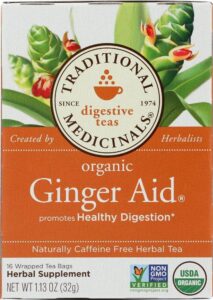
The most clinically formulated ginger tea available. Blends ginger with supportive herbs like turmeric and moringa that amplify the anti-nausea and digestive effect. USDA Organic, Non-GMO, Caffeine-Free, Kosher. For maximum benefit, steep covered for 10–15 minutes and squeeze the bag. Drink 3 cups daily between meals during acute nausea or digestive discomfort.
Traditional Medicinals Organic Belly Comfort Peppermint Tea — Best for Bloating and Gas
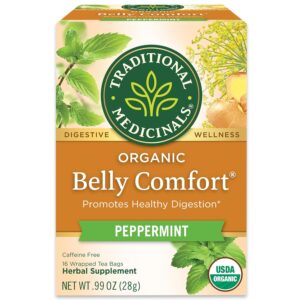
A purpose-built digestive blend of cool peppermint, calming fennel, and spicy ginger — designed to address the full range of after-meal digestive discomfort. Genuinely effective, pleasant-tasting, and organic. Steep covered for 10–15 minutes and squeeze the bag. Avoid if you have acid reflux or GERD — peppermint worsens reflux by relaxing the lower esophageal sphincter.
Yogi Tea Stomach Ease — Best All-Round Digestive Blend
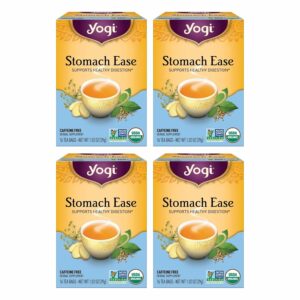
The broadest-spectrum digestive tea in our picks — fennel, licorice root, peppermint, ginger, cardamom, and coriander, drawing on both Western and Ayurvedic digestive traditions. The licorice root makes it suitable for mild acid reflux as well as bloating and gas — one of the few blends that covers both. USDA Organic, Non-GMO, Vegan, Caffeine-Free. Steep for 7 minutes for full effect. The most versatile option here if you want one tea that handles multiple digestive complaints.
How to Make Any Herbal Tea Work Better
Cover the cup while steeping. Most digestive herbs contain volatile compounds — essential oils, menthol, aromatic compounds — that evaporate with steam into the air. A covered cup retains 30–40% more active compounds in the final tea. A small saucer works if your mug doesn’t have a lid.
Steep for longer than the box says. Most tea boxes suggest 3–5 minutes. For medicinal effect, steep 10–15 minutes. Traditional Medicinals recommends 10–15 minutes on all their medicinal teas for good reason — the therapeutic compounds need time to fully extract.
Add raw honey. Raw honey is antimicrobial, soothing, and adds mild prebiotic benefit. Add after the tea has cooled slightly — above 40°C (104°F) degrades the antimicrobial enzymes.
Drink consistently, not just once. 2–3 cups per day for the duration of symptoms gives meaningfully better results than one cup when you remember.
Teas to Avoid When Your Stomach Is Upset
Peppermint tea with acid reflux or GERD. The most common herbal tea mistake — peppermint worsens reflux by relaxing the lower esophageal sphincter. Choose chamomile instead.
Black tea and coffee. High caffeine content stimulates gastric acid production and acts as a diuretic — both counterproductive for an upset stomach.
Very strong ginger tea for acid reflux. Culinary amounts are generally fine, but high-dose ginger can occasionally aggravate reflux in sensitive individuals.
Licorice root long-term with high blood pressure. The blood pressure effect of glycyrrhizin is real — limit to 1–2 cups per day and avoid more than 4–6 weeks of continuous use.
When to See a Doctor
Herbal teas are appropriate for mild, occasional digestive discomfort. See a doctor for:
- Severe or worsening abdominal pain
- Blood in stool or vomit
- Unexplained weight loss alongside digestive symptoms
- Symptoms persisting more than two weeks
- Frequent heartburn (more than twice per week) — this needs medical evaluation for GERD
- Symptoms in a child under 3 years old
- Known history of stomach ulcers, inflammatory bowel disease, or gallstones
Frequent acid reflux or heartburn occurring more than twice per week is classified as GERD — a chronic condition that deserves proper medical management. Herbs can support management but shouldn’t replace evaluation and treatment for a condition that can, left untreated, cause esophageal damage over time.
Frequently Asked Questions
What tea is good for a belly ache?
Chamomile is the most broadly useful — it addresses nausea, cramping, inflammation, and stress-related stomach upset simultaneously and is gentle enough for most people including children and pregnant women (in moderate amounts). Ginger is the better choice if the belly ache is primarily nausea. Peppermint works best if the belly ache is from bloating and gas — unless you have acid reflux.
What is the best herbal tea for acid reflux?
Chamomile and marshmallow root are the two best options for acid reflux — both soothe the esophageal and gastric lining without relaxing the lower esophageal sphincter. Licorice root (in moderate amounts) is also effective. Avoid peppermint — it worsens reflux in most people.
Is chamomile tea good for GERD?
Yes — chamomile is one of the safest herbal teas for GERD. It reduces esophageal inflammation, calms gastric activity, and has mild antispasmodic properties without the reflux-worsening effect of peppermint. Drink it between meals rather than immediately after eating, and avoid lying down within 2–3 hours of consumption.
How many cups of herbal tea should I drink for an upset stomach?
2–3 cups per day during active symptoms. Traditional Medicinals recommends 3 cups daily for their medicinal teas. Sipping consistently throughout the day — rather than one large cup — maintains more consistent contact between the therapeutic compounds and the digestive tract.
Does ginger tea help with a belly ache?
Yes — ginger is one of the most effective natural remedies for digestive discomfort of most types. It reduces nausea, stimulates gastric emptying, reduces inflammation, and relaxes digestive smooth muscle. It typically works within 20–30 minutes of drinking.
Is peppermint tea good for heartburn?
No — despite being a popular choice for digestive symptoms generally, peppermint worsens heartburn and acid reflux in most people by relaxing the lower esophageal sphincter. If you have heartburn, choose chamomile, marshmallow root, or licorice root tea instead.
Final Thoughts
An upset stomach is one of the most common reasons people reach for herbal remedies — and it’s one of the cases where herbal teas genuinely deliver. The match between symptom and herb matters more than which tea tastes best. Ginger for nausea. Peppermint for bloating and gas (unless you have reflux). Chamomile for acid reflux, GERD, and stress. Fennel after heavy meals. Marshmallow root for the raw, irritated esophagus. Licorice root for protective stomach lining support.
Keep a few of these in the cupboard — chamomile and ginger at minimum — and you have a practical first-line response to most digestive upsets that will serve you better than most things in the medicine cabinet.
And if your digestive issues are frequent or worsening, let a doctor know. Herbal teas are excellent for occasional symptoms — they’re not a substitute for diagnosing what’s actually going on.
This article is for informational purposes only and does not constitute medical advice. Always consult a qualified healthcare provider if symptoms are severe, persistent, or if you have existing health conditions. Herbal teas are not a substitute for medical treatment of chronic digestive conditions.