This post contains affiliate links. If you buy through our links we may earn a small commission — at no extra cost to you. This never influences our recommendations.
What Makes Chinese Herbal Tea Different
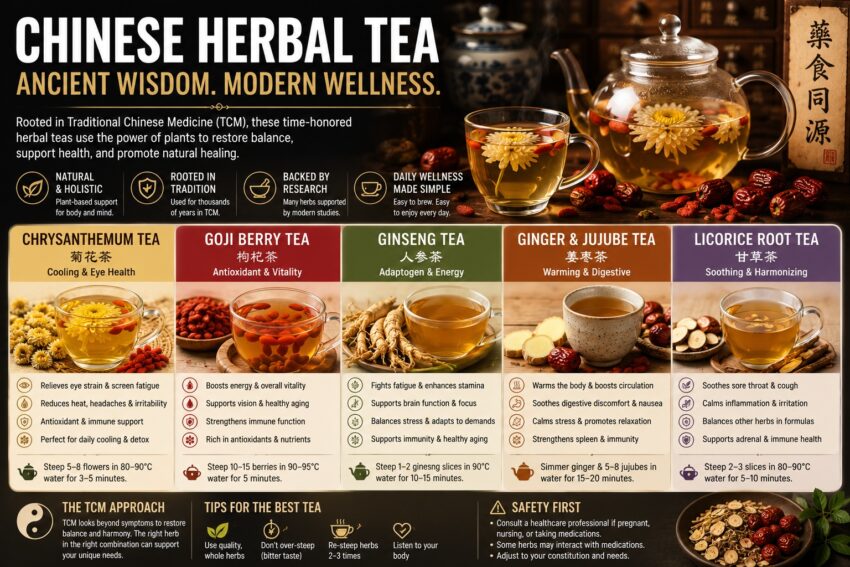
Walk into a traditional Chinese medicine (TCM) pharmacy and you’ll find walls lined with drawers of roots, bark, berries, flowers, and fungi — each with a specific energetic property, each combined according to principles developed over two millennia. Western herbal medicine generally asks “what does this herb do biochemically?” TCM asks a different question: “what is the nature of this herb, and how does it restore balance in this person?”
That philosophical difference matters practically. In TCM, the same herb can serve different purposes depending on a person’s constitution and presenting condition. Ginger might be used to warm a cold stomach or disperse wind-cold in the early stages of a cold. Chrysanthemum might be used to cool liver heat, soothe irritated eyes, or calm a stress headache.
This article doesn’t require you to embrace TCM philosophy to benefit from its most useful teas. The herbs covered here have been studied independently of TCM theory, and many have genuine pharmacological evidence. The goal is practical: understand what each tea does, how to use it, and which to buy.
One honest framing note: Evidence quality varies considerably across Chinese herbal teas. Some — like ginseng and chrysanthemum — have robust human clinical trial data. Others rely more heavily on traditional use or in vitro research. I’ll flag this throughout rather than applying the same confidence level to everything.
The Most Widely Used Chinese Herbal Teas and What They’re For
Chrysanthemum Tea (菊花茶) — Cooling and Eye Health
Chrysanthemum tea is probably the most universally drunk Chinese herbal tea — served in dim sum restaurants across the world and consumed daily by millions across East Asia. In TCM, chrysanthemum is classified as a cooling herb — used to reduce internal heat, calm headaches and irritability, and support vision.
Modern research has identified the mechanism behind the eye health association: chrysanthemum flowers contain luteolin, apigenin, and chlorogenic acid — antioxidant flavonoids that protect retinal cells from oxidative damage. A study published in the journal Molecular Vision found chrysanthemum extract protected retinal cells from blue light-induced oxidative stress — precisely the kind of stress caused by extended screen use.
What it’s best for: Eye strain from screens, heat-related headaches and irritability, mild fever support, as a daily antioxidant drink, summer cooling.
Flavour: Delicate, slightly floral, mildly sweet — one of the most pleasant-tasting Chinese herbal teas. Often blended with goji berries for additional antioxidant effect.
How to brew: Steep 5–8 dried chrysanthemum flowers in 80–90°C water for 3–5 minutes. Add rock sugar or honey. Can be re-steeped 2–3 times.
Goji Berry Tea (枸杞茶) — Antioxidant and Vitality
Goji berries (Lycium barbarum) are one of the most studied medicinal foods from the Chinese herbal tradition. The berries contain Lycium barbarum polysaccharides (LBPs) — complex carbohydrates that have demonstrated immunomodulatory, antioxidant, neuroprotective, and anti-ageing effects in dozens of studies.
A 2008 randomized controlled trial published in the Journal of Alternative and Complementary Medicine found that drinking goji berry juice daily for 14 days improved energy levels, athletic performance, sleep quality, and mental acuity compared to placebo. In TCM, goji is a quintessential tonic herb used for vitality, vision support, and longevity.
What it’s best for: General vitality and longevity support, antioxidant protection, vision support (often combined with chrysanthemum), immune support, energy.
How to brew: Add 10–15 dried goji berries to 90–95°C water and steep for 5 minutes. The berries are edible — eat them after drinking for maximum benefit. Often combined with red dates and chrysanthemum.
Ginseng Tea (人参茶) — Adaptogen and Energy
Ginseng is the most studied herb in Chinese medicine — and probably the most studied herbal remedy in the world. Ginsenosides, the primary active compounds, have been shown in multiple human clinical trials to improve cognitive function, reduce fatigue, support immune function, and lower blood sugar.
Asian/Korean Panax ginseng is traditionally considered yang — warming and stimulating, best for cold constitutions and fatigue. American ginseng (Panax quinquefolius) is considered yin — cooling and gentler, better for stress-related fatigue and people who run hot. This isn’t just philosophy — the two types have different ginsenoside ratios that produce genuinely different physiological effects.
What it’s best for: Mental and physical fatigue, cognitive support, immune function, adaptogenic stress support.
Safety note: Ginseng can interact with blood thinners and diabetes medications. Avoid during pregnancy. Not recommended for people with high blood pressure without medical consultation.
Ginger and Jujube Tea (姜枣茶) — Warming and Digestive
One of the most traditional Chinese daily teas — ginger root slices and dried red dates (jujube) simmered together. Ginger’s gingerols and shogaols reduce nausea, promote gastric emptying, and have anti-inflammatory effects — well-documented in clinical trials. Jujube (Ziziphus jujuba) contains triterpenoids and polysaccharides shown to have sedative, anxiolytic, and immune-supporting effects. Together they make a warming, calming, digestively supportive drink particularly suited to cold weather and stress.
What it’s best for: Cold-related digestive complaints, nausea, warming up in winter, mild stress and anxiety, general immune support.
How to brew: Simmer 3–5 slices of fresh ginger and 5–8 pitted jujube dates in 2 cups of water for 15–20 minutes. Add rock sugar to taste.
Hawthorn Berry Tea (山楂茶) — Cardiovascular and Digestive
Hawthorn (Crataegus) is one of the few Chinese medicinal herbs with genuine human clinical evidence for cardiovascular benefit. A Cochrane systematic review found that hawthorn extract significantly improved exercise tolerance and reduced symptoms in patients with chronic heart failure. The active flavonoids and oligomeric procyanidins dilate blood vessels, improve coronary blood flow, and have mild anti-arrhythmic effects.
In everyday use, hawthorn is primarily known as a digestive herb — particularly for digesting fatty, greasy foods. It’s commonly served in Chinese restaurants after heavy meals: hawthorn stimulates digestive enzyme secretion and bile production, improving fat digestion.
What it’s best for: After heavy or fatty meals, cardiovascular health support, mild blood pressure support.
Safety note: People on heart medications, blood thinners, or blood pressure medication should consult their doctor before regular hawthorn consumption — the cardiovascular effects are real enough to potentially interact with pharmaceutical treatment.
Lotus Leaf Tea (荷叶茶) — Digestive and Weight Management
Lotus leaf (Nelumbo nucifera) is widely used in TCM for clearing summer heat and supporting digestive function. Modern research has focused on its weight management properties: lotus leaf extract inhibits lipase activity (reducing fat absorption) and has demonstrated anti-obesity effects in animal studies. Human clinical trial data is limited — but lotus leaf tea is safe, pleasant to drink, and has genuine antioxidant and anti-inflammatory properties.
What it’s best for: Post-meal digestive support, antioxidant support, as part of a weight management routine alongside diet and exercise.
Astragalus Tea (黄芪茶) — Immune Tonic
Astragalus (Astragalus membranaceus) appears in nearly every traditional TCM immune formula. Astragalus polysaccharides stimulate macrophage activity, natural killer cell function, and T-lymphocyte proliferation. A meta-analysis of clinical trials found astragalus improved outcomes in chemotherapy patients — reduced side effects and improved immune markers — one of the more robust evidence bases for any single Chinese herb in human clinical settings.
What it’s best for: Long-term immune support, recovery from illness, supporting immune function during high-stress periods, adaptogenic energy support.
Chinese Herbal Tea for Specific Goals
For immune support: Astragalus tea (long-term tonic), chrysanthemum with goji (antioxidant support), ginseng (adaptogenic immune support). The Prince of Peace Immune Tea blend combines astragalus, ginseng, and reishi mushroom — a well-designed immune formula in a convenient teabag.
For weight management: Lotus leaf tea with hawthorn berry is the traditional pairing — hawthorn for digestion of fats, lotus leaf for reducing fat absorption. Be realistic: these teas support weight management as part of a balanced diet, not as a substitute for one.
For sleep and relaxation: Jujube (red date) tea has the most evidence for mild sedative and anxiolytic effects. Chrysanthemum in the evening addresses heat-related sleep disruption. Goji berry has shown sleep quality improvements in clinical research. See our guide to herbal tea for sleep for a full comparison.
For digestion: Hawthorn berry for heavy meals, ginger and jujube for cold-related digestive complaints, lotus leaf for post-meal bloating. See our guide to the best herbal teas for an upset stomach for symptom-specific recommendations.
For skin and detox: Chrysanthemum with burdock root is the classic combination — chrysanthemum cools and clears, burdock stimulates lymphatic circulation and supports liver detoxification. The FullChea Chrysanthemum Cassia Seed blend includes both alongside goji, osmanthus, and honeysuckle.
For energy and vitality: Ginseng is the evidence-backed choice for reducing fatigue and improving cognitive function. For sustained energy without the stimulant effect, astragalus provides gentler adaptogenic support.
Best Chinese Herbal Teas on Amazon — Verified Picks
All three confirmed in stock and ships from Amazon:
FullChea Top Grade Chinese Chrysanthemum Tea (100g loose leaf) — Best for Daily Use
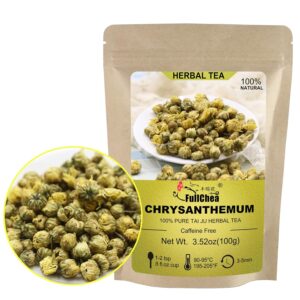
FullChea is one of the most established Chinese herbal tea brands on Amazon, with a focus on single-ingredient authenticity and sourcing quality. Their chrysanthemum tea uses premium Tai Ju chrysanthemum flowers — a variety known for its rounded, less bitter flavour profile. Non-GMO, caffeine-free, no additives. The 100g loose leaf format gives approximately 30–40 cups and is far more economical and higher quality than pre-bagged chrysanthemum. Brew 5–8 flowers per cup at 85–90°C for 3–5 minutes. Brews to a beautiful golden yellow with a delicate, naturally sweet flavour.
FullChea Chrysanthemum Cassia Seed Tea (30 teabags) — Best Multi-Herb Blend
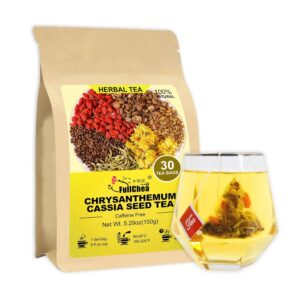
For those who want the convenience of teabags and the benefits of a multi-herb formula, this is the most thoughtfully composed Chinese herbal tea blend readily available on Amazon. It combines chrysanthemum, cassia seed (liver and eye support), burdock root (lymphatic and skin), goji berries (antioxidant), osmanthus (calming and digestive), and honeysuckle (cooling and anti-inflammatory). This blend closely mirrors traditional TCM combinations used for clearing liver heat, supporting vision, and addressing skin breakouts from internal heat. Each teabag is 5g — a meaningful dose. Steep for 5–10 minutes.
Prince of Peace 100% American Wisconsin Ginseng Root Tea (80 bags) — Best for Energy and Immune Support
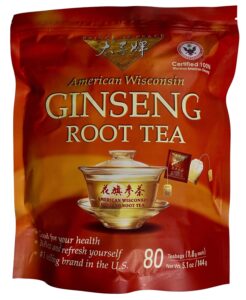
Prince of Peace is the #1 selling ginseng tea brand in the US. Their American Wisconsin Ginseng Root Tea uses certified 100% Wisconsin-grown Panax quinquefolius — the gold standard for American ginseng, verified by the Ginseng Board of Wisconsin seal. Wisconsin ginseng is particularly prized for its ginsenoside content due to specific soil and climate conditions. American ginseng’s yin properties make it gentler than Korean ginseng — appropriate year-round and suitable for most people. Caffeine-free.
How to Make Chinese Herbal Tea Properly
Temperature matters more than most people realise. Delicate flower teas (chrysanthemum, osmanthus, rose) need water at 80–85°C — boiling water destroys some active compounds and creates bitterness. Root and bark teas (astragalus, hawthorn, ginger) need near-boiling water at 90–95°C. Berry and fruit teas (goji, jujube) work best at 90–95°C.
Steeping times:
- Flower teas: 3–5 minutes
- Berry and fruit teas: 5–8 minutes
- Root and bark teas: 8–15 minutes (or simmer for 15–20 minutes)
- Teabag blends: follow manufacturer instructions (typically 5–10 minutes)
Multiple steeping: Quality loose-leaf Chinese herbs can be steeped 2–4 times. The first steep gives flavour; subsequent steeps often give more therapeutic compounds as the herb opens further. Add slightly more water and extend steeping time by 1–2 minutes for each subsequent steep.
The decoction method (for harder herbs): Roots, bark, and harder berries like hawthorn are best prepared as a decoction — simmered in water for 20–30 minutes rather than steeped. Simmering extracts compounds that don’t dissolve easily in steeping.
What to add:
- Rock sugar (冰糖) — traditional sweetener, milder than white sugar
- Raw honey — add after cooling slightly to preserve antimicrobial compounds
- Dried goji berries — enhances antioxidant content in almost any tea
- Fresh ginger slices — adds warming and anti-inflammatory benefit to any blend
Chinese Herbal Tea Safety — What to Know
Most Chinese herbal teas are safe for healthy adults at normal consumption. The teas covered in this article are within the range of safe daily use. Concentrated extracts and practitioner formulas are a different matter.
Pregnancy cautions: Several common Chinese herbs should be avoided during pregnancy. Hawthorn berry can stimulate uterine contractions. Chrysanthemum in large medicinal doses has emmenagogue properties. Ginseng during the first trimester is not recommended. Check with your midwife or OB before regular use of any Chinese herbal tea during pregnancy.
Drug interactions to check:
- Ginseng: blood thinners, diabetes medications, MAO inhibitors
- Hawthorn: heart medications, blood pressure medications, blood thinners
- Astragalus: immunosuppressants (can counteract their effect)
Quality and sourcing: Heavy metal contamination, pesticide residue, and species misidentification are real concerns in the herbal supplement market. Buy from brands that specify sourcing, are sold through Amazon’s fulfilled inventory, and have transparent ingredient lists. FullChea and Prince of Peace both meet these standards.
When to see a doctor: Chinese herbal teas are wellness drinks, not medical treatments. Persistent symptoms — chronic fatigue, ongoing digestive problems, frequent infections, vision changes — warrant medical evaluation, not more tea.
Frequently Asked Questions
What is the most popular Chinese herbal tea?
Chrysanthemum tea is almost certainly the most widely consumed Chinese herbal tea globally — drunk daily by hundreds of millions across East Asia and available in every dim sum restaurant worldwide. Goji berry tea and ginseng tea are also extremely widespread. In the US, ginseng tea is the most commercially popular.
Is Chinese herbal tea safe?
For most healthy adults, yes — the common Chinese herbal teas in this article are safe at normal consumption. The exceptions are during pregnancy (several herbs have uterotonic effects at medicinal doses), for people on specific medications (ginseng, hawthorn, and astragalus have clinically relevant drug interactions), and for people with specific health conditions. Quality sourcing matters — buy from reputable brands with transparent sourcing.
Can I drink Chinese herbal tea every day?
Most teas in this article are appropriate for daily consumption — chrysanthemum, goji berry, and jujube in particular have long histories of daily use with excellent safety records. Ginseng is typically better cycled (6 weeks on, 2 weeks off) to maintain effectiveness. Hawthorn is safe for daily use but check with your doctor if you’re on heart medications.
What Chinese tea is good for weight loss?
Lotus leaf tea and hawthorn berry tea are the traditional Chinese choices for weight management — lotus leaf for reducing fat absorption (animal evidence), hawthorn for digestive enzyme stimulation. Pu-erh tea (a fermented Chinese tea) has some of the better evidence for supporting fat metabolism in human studies. Honest expectations: these teas support a healthy diet and lifestyle — they don’t produce weight loss independently.
Does Chinese herbal tea have caffeine?
Most Chinese herbal teas are caffeine-free — chrysanthemum, goji berry, jujube, hawthorn, astragalus, and lotus leaf contain no caffeine naturally. Exceptions include pu-erh, green tea blends, and any tea that contains actual tea leaves (Camellia sinensis) alongside herbs. Always check the ingredient list.
Final Thoughts
Chinese herbal teas offer some of the most thoughtfully developed plant-based wellness drinks in the world — refined over thousands of years of observation and, increasingly, validated by modern research.
The most universally useful starting point is chrysanthemum tea — safe, pleasant, antioxidant-rich, and appropriate for daily use by almost everyone. For immune and energy support, ginseng tea is the evidence-backed choice. For digestion after heavy meals, hawthorn berry. For calm and sleep support, jujube. For skin and internal heat, chrysanthemum with burdock and cassia seed.
You don’t need to embrace traditional Chinese medicine theory to benefit from these teas. The herbs work through biochemical mechanisms that have been studied and increasingly validated. What TCM offers alongside that is a framework for thinking about which herbs suit which conditions — a perspective worth being curious about even if you don’t accept it wholesale.
This article is for informational purposes only and does not constitute medical advice. Always consult a qualified healthcare provider before starting any herbal supplement, especially if you take prescription medications, are pregnant, or have an existing health condition.