This post contains affiliate links. If you buy through our links we may earn a small commission — at no extra cost to you. This never influences our recommendations.
What “Natural Shampoo” Actually Means — And Why It Matters
Walk into any drugstore and you’ll find shampoo bottles covered in words like “natural,” “botanical,” and “plant-based.” Most of them contain sulfates, synthetic fragrance, silicones, and parabens that no herbalist or natural health practitioner would recognise as natural. “Natural” on a personal care product label is completely unregulated — it can mean anything or nothing.
This matters for two reasons. First, what goes on your scalp doesn’t stay on your scalp. The skin on your head is highly vascular — chemicals applied to it can be absorbed, particularly if the skin barrier is compromised by irritation or conditions like eczema. A 2019 study in Environmental Science & Technology found that personal care products are a significant source of daily chemical exposure. Second, the scalp is where hair growth begins — the health of your hair starts with the health of the skin it grows from.
Genuinely natural shampoo uses plant-derived cleansers, nourishing plant oils, and herbal extracts to clean effectively without the compounds that cause scalp irritation, hormonal disruption, and long-term build-up.
What to Avoid in Conventional Shampoo
Sulfates (SLS and SLES)
Sodium lauryl sulfate (SLS) and sodium laureth sulfate (SLES) are the foaming agents in most conventional shampoos. They’re aggressive detergents — effective at removing oil but also effective at stripping the scalp’s protective sebum layer, disrupting the scalp’s microbiome, irritating sensitive skin, and causing dryness that paradoxically increases oil production. SLES is processed with ethylene oxide — a process that can leave traces of 1,4-dioxane, a probable human carcinogen. The EWG Skin Deep database rates both as moderate-to-high hazard.
Synthetic fragrance
“Fragrance” or “parfum” on an ingredient list is a single word covering potentially hundreds of undisclosed compounds — an allowance made for trade secret protection. The European Commission’s Scientific Committee on Consumer Safety has identified numerous fragrance ingredients as sensitisers and potential hormone disruptors. For anyone with scalp sensitivity or hormonal health concerns, synthetic fragrance is the ingredient to avoid first.
Parabens
Preservatives (methylparaben, propylparaben, ethylparaben) that extend shelf life. Parabens are oestrogen-mimicking compounds (xenoestrogens) detected in breast tissue samples and classified by the European Commission as endocrine disruptors at certain concentrations. The precautionary case for avoiding them in daily-use skin products is reasonable.
Silicones (dimethicone, cyclomethicone)
Silicones coat the hair shaft with a thin plastic layer giving the immediate sensation of smoothness. The problem: build-up over time weighs hair down, blocks moisture from reaching the shaft, and can clog hair follicles. Natural shampoos break this cycle but can cause a 2–4 week transition period as build-up clears.
Artificial colours (FD&C dyes)
Added to make shampoo look appealing in the bottle. No benefit to hair or scalp; some synthetic dyes have documented sensitising concerns. Easy to avoid.
What to Look for in a Natural Shampoo
Plant-based cleansers. The natural alternatives to SLS/SLES: cocamidopropyl betaine (from coconut oil — mild amphoteric surfactant), sodium cocoyl isethionate (coconut-derived, very gentle), decyl glucoside and coco glucoside (from coconut and glucose — among the gentlest available), and soapberry/shikakai (traditional Ayurvedic cleansers). These foam less dramatically than sulfates — which some misinterpret as cleaning less effectively. They don’t.
Nourishing plant oils. Argan oil, jojoba oil, coconut oil, avocado oil, and castor oil penetrate the hair shaft (rather than coating it), provide fatty acids that maintain scalp barrier function, and have documented anti-inflammatory properties. Their presence in meaningful amounts — not just trace “enriched with” quantities — indicates a genuine formulation commitment.
Herbal and botanical extracts. Rosemary extract has a randomised controlled trial showing efficacy for hair growth comparable to minoxidil at 6 months. Neem has antifungal properties directly relevant to dandruff (caused by Malassezia yeast). Shikakai and amla are Ayurvedic herbs with centuries of hair health use and emerging clinical evidence. Green tea extract contains EGCG, which inhibits the 5-alpha reductase enzyme involved in DHT-driven hair loss.
pH appropriateness. Healthy hair has a slightly acidic pH of 3.5–5.5. Most shampoos (including many marketed as natural) are formulated at higher pH, which lifts the hair cuticle and causes frizz and roughness. Explicitly pH-balanced formulas keep cuticles flat for smoother, shinier results without silicone coating.
Certifications that mean something: EWG Verified (independent ingredient safety screening), USDA Organic (95%+ organic ingredients), Leaping Bunny (third-party cruelty-free), MADE SAFE (screened against database of known harmful substances).
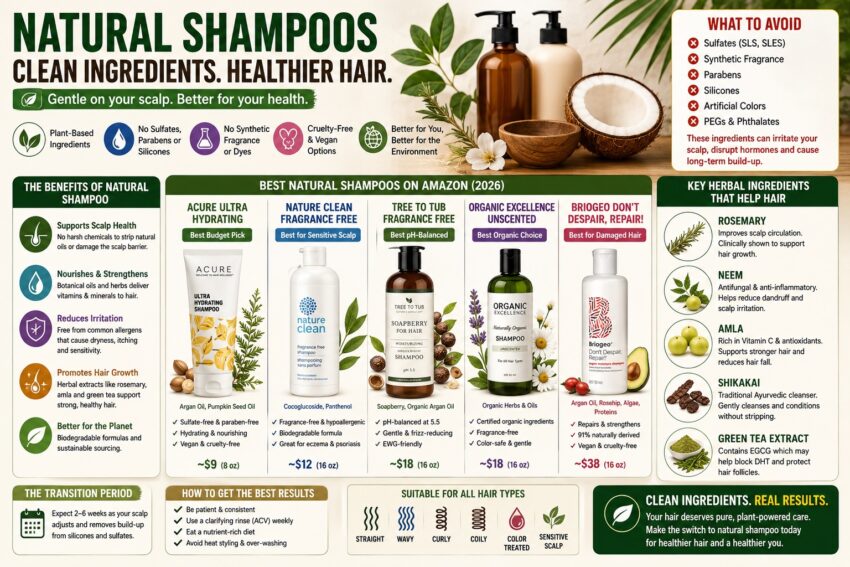
The Best Natural Shampoos on Amazon Right Now — Verified Picks
| Product | Best For | Key Ingredients | Price |
|---|---|---|---|
| Acure Ultra Hydrating | Budget, dry hair | Argan oil, pumpkin seed | ~$9 |
| Nature Clean Fragrance Free | Sensitive scalp, minimalist | Cocoglucoside, panthenol | ~$12 |
| Tree to Tub Fragrance Free | Frizz-prone, pH-balanced | Soapberry, organic argan oil | ~$18 |
| Organic Excellence Unscented | Maximum clean, certified organic | Certified organic herbs and oils | ~$18 |
| Briogeo Don’t Despair, Repair! | Damaged, colour-treated | Argan, rosehip, algae, proteins | ~$38 |
Acure Ultra Hydrating Shampoo — Best Budget Natural Shampoo
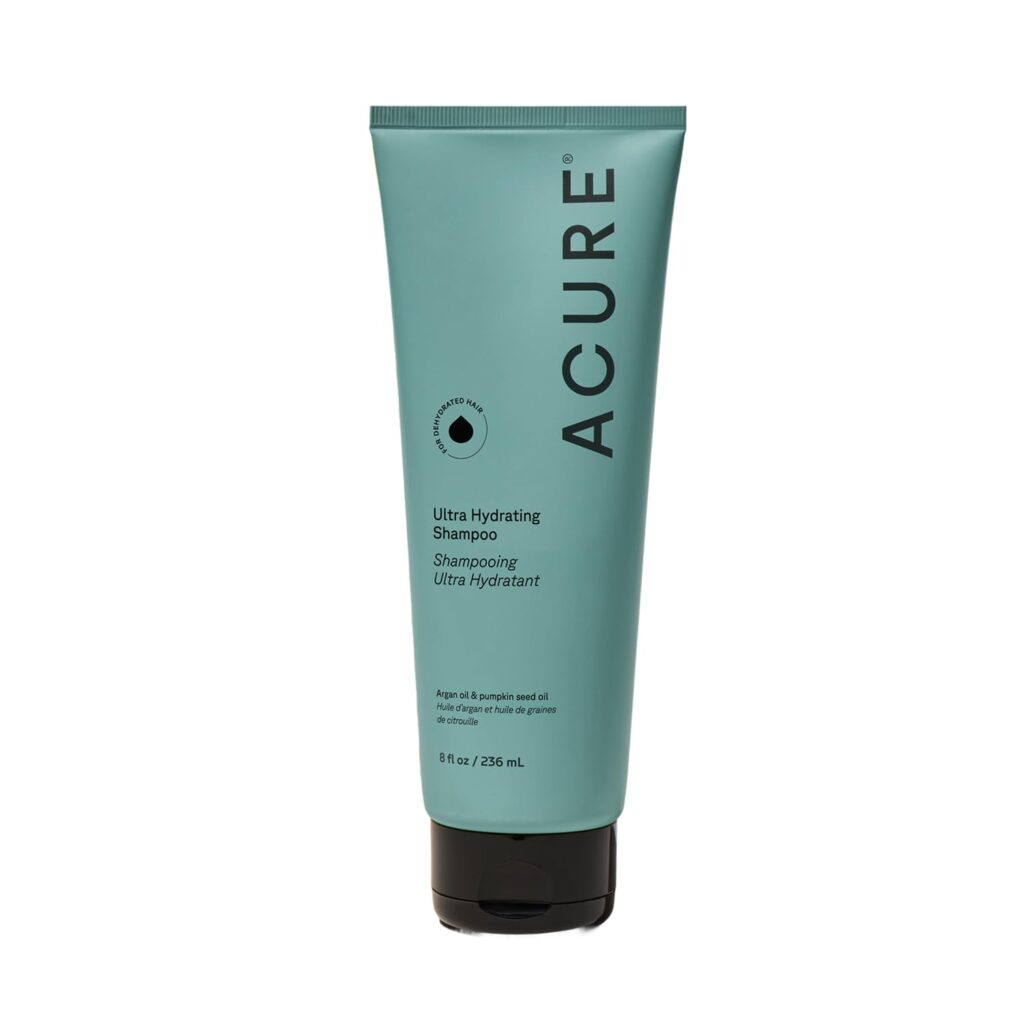
Acure was founded in 2010 by Kristy Guerra in honor of her grandmother’s battle with breast cancer, driving the brand’s commitment to clean, safe ingredients. All Acure shampoos are 100% vegan, cruelty-free, and free from parabens, sulfates, mineral oil, petrolatum, and formaldehyde — with most retailing under $10, making genuinely clean hair care accessible to a wider audience.
The Ultra Hydrating formula pairs argan oil (to smooth and add shine) with pumpkin seed oil (to hydrate and strengthen) in a sulfate-free, paraben-free base. Safe for all hair types including dry, damaged, and colour-treated hair, and gentle enough for daily use. At ~$9 for 8oz, this is the most accessible genuinely clean shampoo on Amazon.
One practical note: Acure’s ingredient lists have been known to change between formulations, so checking the current label before each purchase is worthwhile — particularly if avoiding fragrance is a priority.
Pros: Most affordable clean shampoo at ~$9, genuinely free of sulfates and parabens, argan + pumpkin seed oil, vegan, cruelty-free, widely available on Amazon Prime
Cons: 8oz is smaller than some picks, ingredient lists can change between batches, less reparative than premium options for severely damaged hair
Best for: First-time natural shampoo switchers, budget-conscious buyers, normal to dry hair, daily use
Nature Clean Fragrance Free Shampoo — Best for Sensitive Scalp
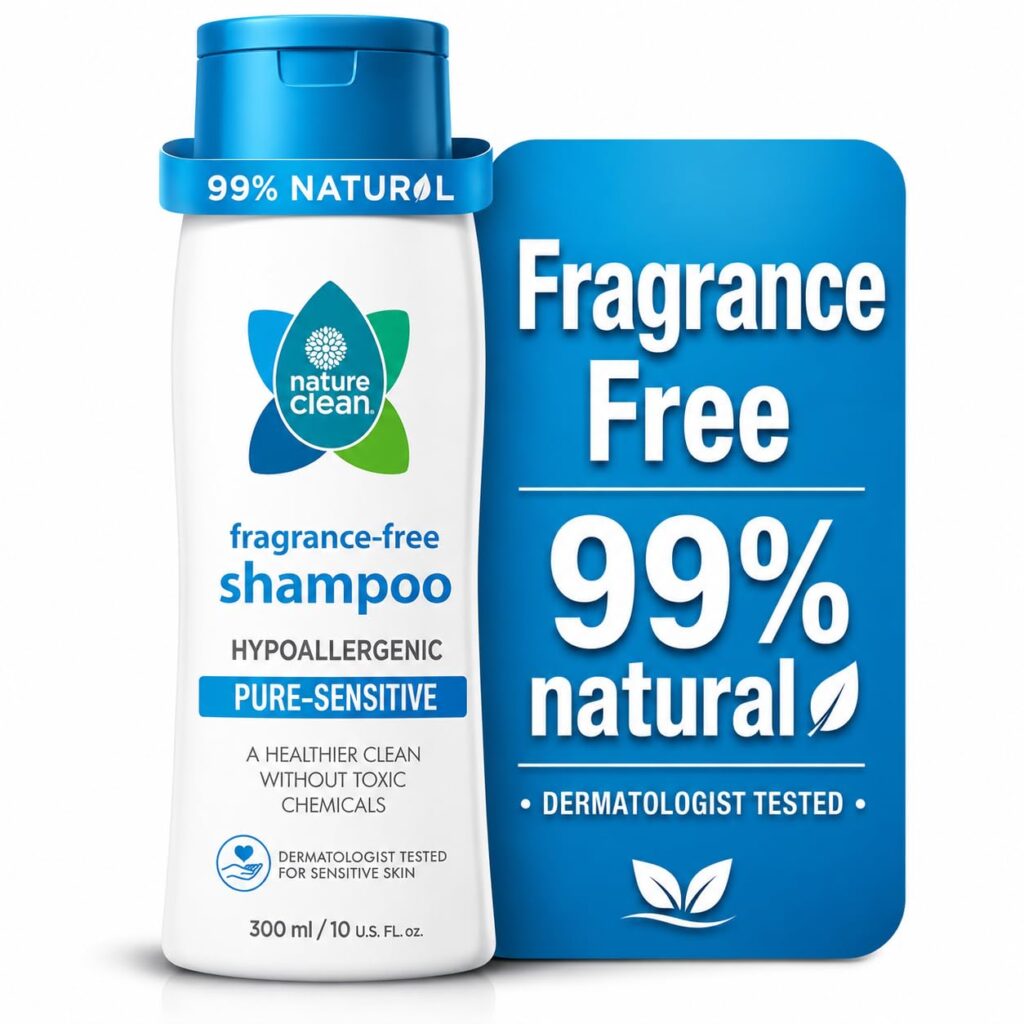
Nature Clean’s Pure-Sensitive Shampoo gives you a healthy clean without the harsh chemicals — containing no potentially dangerous sulfates, PEGs, fragrances, dyes, or parabens. Fully biodegradable, cruelty-free, and hypoallergenic.
The ingredient list is strikingly minimal: water, cocoglucoside (coconut-derived cleanser), disodium cocoamphodiacetate (mild amphoteric surfactant), caprylyl/capryl glucoside, glycerin, xanthan gum, carrageenan, citric acid, panthenol (vitamin B), and two preservatives. This is exactly what a genuinely clean formulation looks like — short, recognisable, and free of mystery ingredients.
Completely fragrance-free, making it appropriate for fragrance allergies, contact dermatitis, chemical sensitivity, eczema-prone, and psoriasis-prone scalps. The hypoallergenic designation reflects genuine formulation intent, not just marketing.
Pros: Shortest, cleanest ingredient list in our picks, completely fragrance-free, hypoallergenic, biodegradable, ~$12, suitable for eczema and psoriasis-prone scalps
Cons: No herbal or therapeutic extracts, minimal lather, no scent at all (a feature for some, a drawback for others)
Best for: Sensitive scalp, eczema, psoriasis, fragrance allergies, contact dermatitis, minimalist clean beauty, all hair types
Tree to Tub Fragrance Free Shampoo — Best pH-Balanced Natural Shampoo
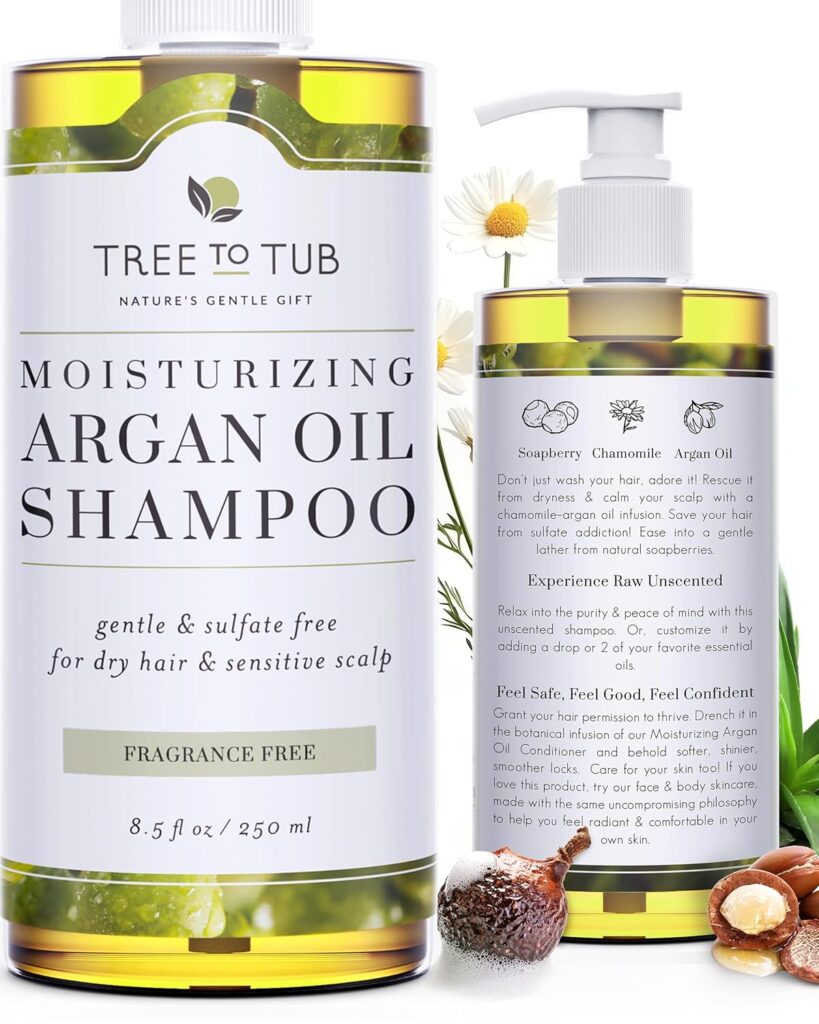
Tree to Tub built its brand around one differentiating principle: pH-balanced formulation at 5.5 — the natural pH of healthy hair and scalp. Most shampoos, including many marketed as natural, are formulated at higher pH, which lifts the hair cuticle and causes frizz and roughness. Tree to Tub’s pH 5.5 formula keeps cuticles flat for inherently smoother, shinier results without silicone coating.
The base cleansing agent is soapberry (Sapindus mukorossi) — a natural saponin-containing fruit used for hair cleaning in Asia for centuries. Combined with organic argan oil for nourishment, this is a formulation with genuine roots in traditional botanical hair care. Completely fragrance-free, sulfate-free, paraben-free, and EWG-friendly. Particularly well-suited for anyone who has experienced frizz or roughness from other natural shampoos — pH 5.5 often resolves this where ingredient lists alone don’t explain the difference.
Pros: Explicitly pH 5.5 formula (most pH-conscious pick), soapberry-based cleansing (traditional botanical), organic argan oil, completely fragrance-free, EWG-friendly
Cons: Soapberry produces minimal lather — very different texture from conventional shampoo, mid-range price for bottle size
Best for: Frizz-prone hair, sensitive scalp, anyone who has struggled with rough or dull results from other natural shampoos, traditional botanical hair care seekers
Organic Excellence Simply Unscented Shampoo — Best for Maximum Ingredient Transparency
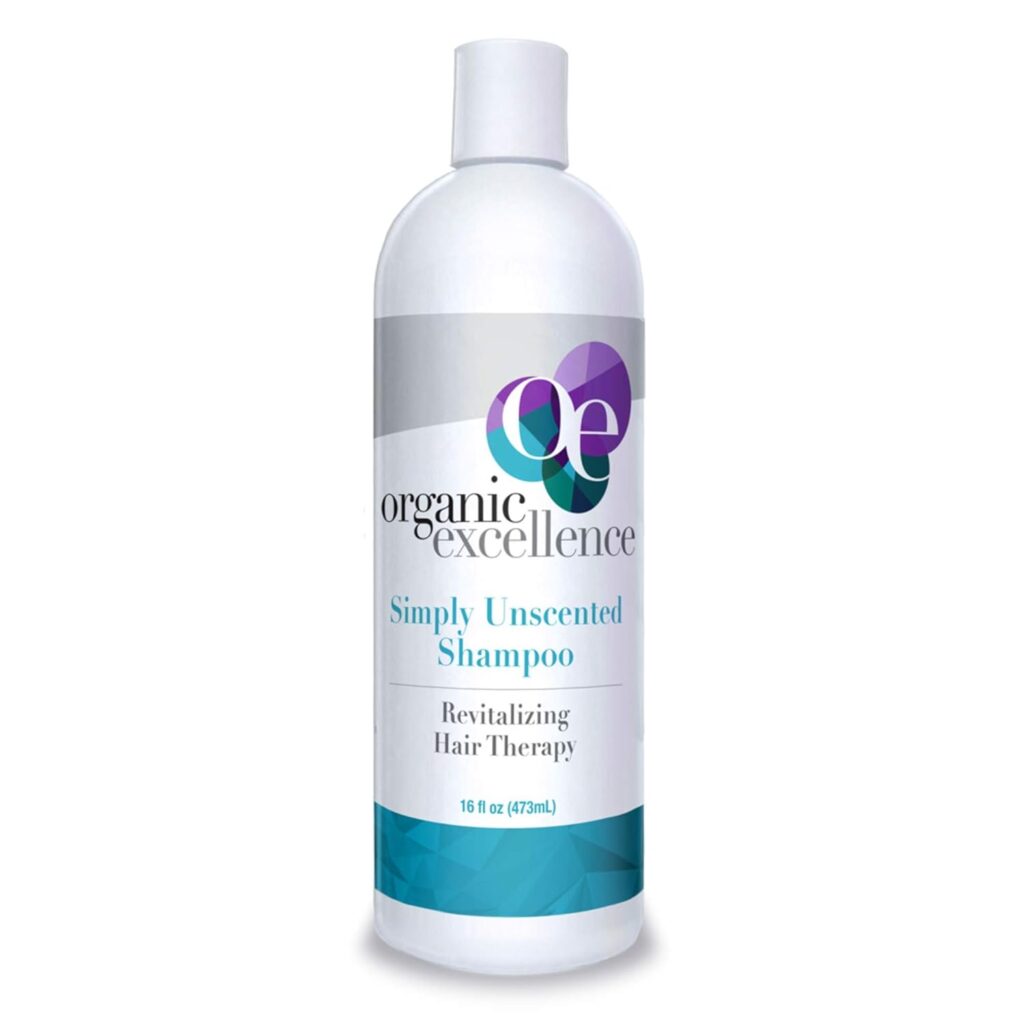
Organic Excellence goes further than most in the clean formulation direction — using certified organic herbal ingredients as the active base rather than adding trace botanical extracts to a synthetic formula. Rich in certified organic herbs and oils, beneficial botanicals and vitamins known to support healthy hair and scalp balance. The 16oz format at ~$18 offers good value per use.
Completely fragrance-free, making it appropriate for chemical sensitivity and scalp conditions. No synthetic fragrances, no sulfates, no parabens, no artificial colours. For anyone who wants to verify ingredients comprehensively, the Organic Excellence formula holds up well to ingredient scrutiny — and the colour-safe formulation makes it appropriate for chemically treated hair.
Pros: Certified organic herbal ingredients, sulfate-free, paraben-free, fragrance-free, 16oz larger format, colour-safe, all hair types
Cons: Less widely reviewed on Amazon than Acure or Briogeo, packaging is functional rather than premium
Best for: Maximum ingredient transparency, certified organic formulation, fragrance-free daily use, colour-treated hair
Briogeo Don’t Despair, Repair! — Best for Damaged and Colour-Treated Hair
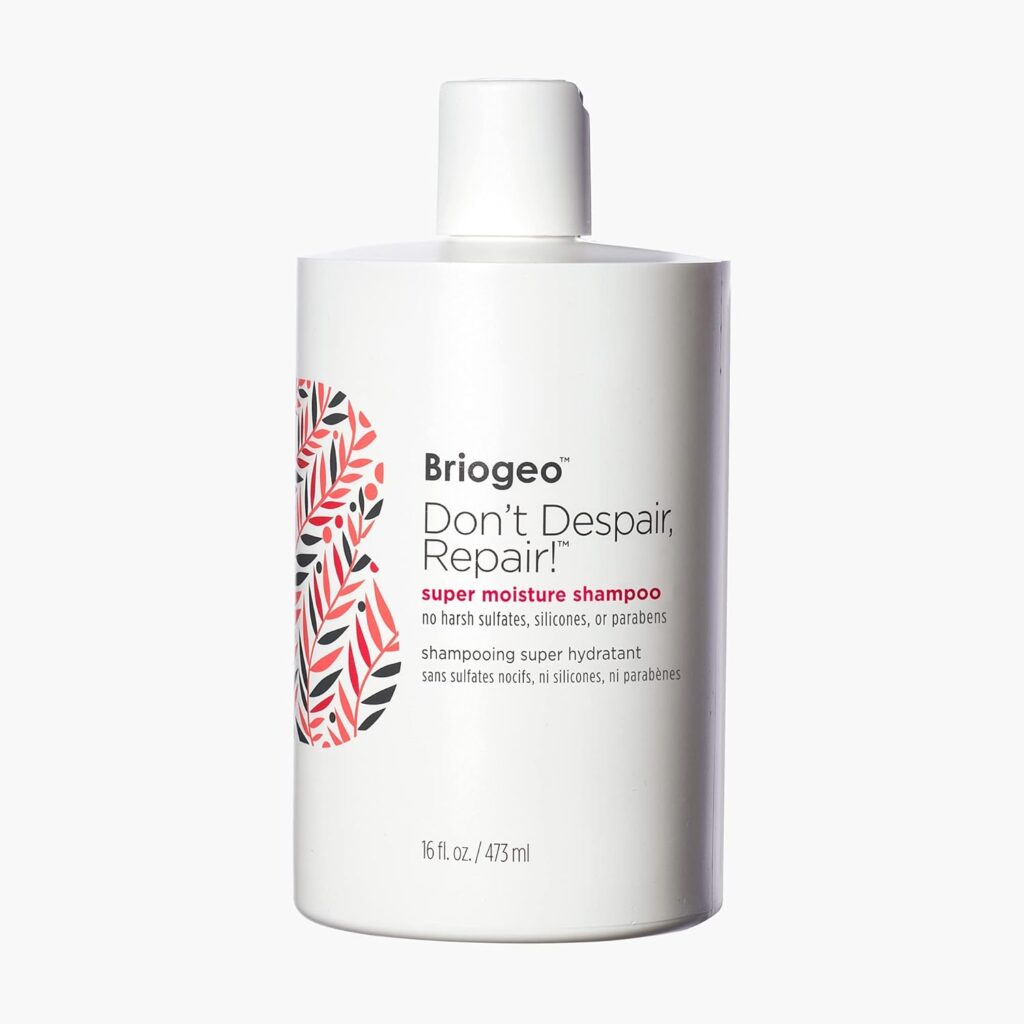
Briogeo’s sulfate-free shampoo strengthens damaged hair and helps prevent future breakage. Created with proteins and rich emollients, this 91% naturally derived formula deeply moisturises, nourishes, and protects strands. The active ingredient list includes B vitamins, algae extract, rosehip oil, and argan oil — a genuinely thoughtful formulation for compromised hair.
Briogeo is a Black woman-founded brand (started in NYC by Nancy Twine) committed to clean, vegan, cruelty-free formulations. The 91–98% naturally derived standard means some synthetic ingredients remain — it’s not a 100% natural formula — but it’s among the cleanest available for serious hair repair. The premium price (~$38 for 16oz) is justified specifically for damaged, chemically processed, or heat-damaged hair where the protein-oil combination makes a genuine functional difference.
Pros: 91% naturally derived protein + oil formula for damaged hair, argan + rosehip + algae combination, vegan, cruelty-free, Black woman-founded brand
Cons: Premium price at ~$38, not necessary for healthy undamaged hair, not 100% natural (some synthetic ingredients present)
Best for: Dry, damaged, colour-treated, or chemically processed hair, heat-damaged hair, post-bleach recovery, anyone whose hair has been compromised by years of conventional shampoo use
The Herbal Ingredients That Actually Help Hair
Rosemary (Rosmarinus officinalis): A 2015 randomised controlled trial published in Skinmed found rosemary oil comparable to 2% minoxidil for androgenic alopecia over 6 months — with less scalp itching. The mechanism involves increased microcirculation to hair follicles. Rosemary extract is increasingly common in natural shampoo formulations and is one of the most evidence-backed herbal ingredients for hair growth support.
Neem (Azadirachta indica): Contains nimbidin and azadirachtin with documented antifungal activity against Malassezia — the yeast implicated in seborrhoeic dermatitis (dandruff) and scalp inflammation. Effective and well-tolerated for most people with dandruff-prone scalps.
Amla (Indian gooseberry): Rich in vitamin C and tannins with documented 5-alpha reductase inhibiting activity — reducing the conversion of testosterone to DHT, the hormone implicated in pattern hair loss. A cornerstone of Ayurvedic hair care for centuries.
Shikakai (Acacia concinna): Traditional Ayurvedic hair cleanser. Its natural saponins cleanse without stripping; its low pH (around 4–5) keeps hair cuticles flat naturally.
Peppermint oil: A randomised controlled trial in Evidence-Based Complementary and Alternative Medicine found peppermint oil applied to the scalp significantly increased hair follicle depth, number, and thickness compared to minoxidil over 4 weeks — through increased dermal papilla activity and scalp circulation.
Green tea extract (EGCG): Inhibits 5-alpha reductase and provides antioxidant and anti-inflammatory benefits relevant to scalp health. Increasingly included in hair growth-focused natural shampoo formulations.
The Transition Period — What to Expect When Switching
Most people experience a 2–6 week adjustment period when switching from conventional to natural shampoo. This is normal and expected — not a sign that the natural shampoo isn’t working.
Years of silicone build-up coats the hair shaft. When you stop using silicone-containing products, hair feels temporarily different as the silicone gradually clears. Simultaneously, the scalp has been conditioned to overproduce sebum to compensate for sulfate stripping — it takes several weeks to recalibrate.
How to manage the transition:
- Wash hair slightly more frequently for the first 2–3 weeks if needed — every 2 days rather than every 3
- Use an apple cider vinegar rinse (1 tablespoon in 1 cup water) once weekly — the acidity helps break down silicone build-up and clarify the scalp
- A single clarifying wash before starting helps remove initial build-up faster
- Be patient — most people report that after 4–6 weeks, hair feels better than it ever did on conventional shampoos
Natural Shampoo by Hair Type — Quick Guide
Dry or damaged hair: Briogeo Don’t Despair, Repair! for serious damage; Acure Ultra Hydrating for everyday dry hair. Look for argan oil, avocado oil, and protein (hydrolysed keratin, quinoa protein) on ingredient labels.
Oily scalp: Look for tea tree oil, peppermint, or neem as active scalp ingredients. Avoid heavy oil-rich formula bases. Wash every 1–2 days during the transition period.
Sensitive scalp or eczema: Tree to Tub or Nature Clean — both fragrance-free, minimal ingredient lists, pH-balanced. Avoid any shampoo with essential oils during active scalp flares (even natural ones can be irritating on compromised skin).
Colour-treated hair: Briogeo or Organic Excellence — both explicitly colour-safe. The gentler the cleanser, the less colour fading per wash.
Fine or limp hair: Avoid heavy oils (coconut oil can weigh fine hair down). Look for rice protein, biotin, or caffeine as scalp-stimulating ingredients.
Dandruff / seborrhoeic dermatitis: Neem, tea tree, and zinc PCA are the natural antifungal ingredients to look for on ingredient labels.
Frequently Asked Questions
Is natural shampoo as effective as regular shampoo?
Yes — with appropriate expectations. Natural shampoos clean effectively using plant-derived surfactants rather than sulfates. They foam less, which some initially misinterpret as cleaning less well. After the 2–6 week transition period, most users find their hair and scalp in better condition — because gentle cleansers support scalp health rather than stripping it.
Why does my natural shampoo not lather well?
Because it doesn’t contain sodium lauryl sulfate — the ingredient responsible for the dramatic foam of conventional shampoo. Foam is not a measure of cleaning effectiveness. Plant-derived surfactants (decyl glucoside, coco glucoside, soapberry) clean effectively at lower lather levels. This adjustment feels significant initially but becomes unremarkable within a few weeks.
Can natural shampoo help with hair loss?
Herbal ingredients with the most evidence for supporting hair growth include rosemary oil (RCT evidence comparable to minoxidil), peppermint oil (RCT evidence for follicle stimulation), and amla/green tea extract (5-alpha reductase inhibiting activity). Natural shampoo addresses the scalp environment — a healthy, well-nourished scalp is the foundation for healthy hair growth. It is not a treatment for androgenic alopecia driven primarily by hormonal factors, which warrants medical evaluation.
Is sulfate-free the same as natural?
Not necessarily — many sulfate-free shampoos still contain synthetic fragrances, parabens, silicones, and other synthetic ingredients. “Sulfate-free” means the SLS/SLES cleansers have been replaced (often with gentler surfactants) but doesn’t guarantee the rest of the formula is clean. Always read the full ingredient list, not just the front label claims.
How often should I wash hair with natural shampoo?
This varies by hair type — but natural shampoo users often find they can go longer between washes than with conventional shampoo, because the scalp stops overproducing sebum once it’s no longer being stripped regularly. Most people settle into a 2–4 day wash cycle after the transition period.
Final Verdict
| Your Hair Type / Need | Best Pick |
|---|---|
| Budget — first natural shampoo | Acure Ultra Hydrating (~$9) |
| Sensitive scalp, eczema, psoriasis | Nature Clean Fragrance Free (~$12) |
| Frizz-prone, pH concerns | Tree to Tub Fragrance Free (~$18) |
| Maximum organic certification | Organic Excellence Unscented (~$18) |
| Dry, damaged, colour-treated | Briogeo Don’t Despair, Repair! (~$38) |
Switching to natural shampoo is one of the most impactful personal care changes for reducing daily chemical exposure — you use it every day, it contacts a large surface area of skin, and the scalp’s vascularity means absorption is meaningful. All five picks above are genuinely clean by the standards that matter: EWG-friendly ingredients, third-party certifications, and full ingredient transparency.
Start with Acure if budget is the priority. Start with Tree to Tub if scalp sensitivity or frizz is the issue. Invest in Briogeo if your hair has been through significant damage. All five deliver what they promise — which is more than can be said for most bottles with “natural” on the front.