Medical Disclaimer: This article is for informational purposes only and does not constitute medical advice. Always consult a qualified healthcare provider before starting any new supplement, exercise program, or treatment — especially after significant weight loss.
Disclosure: This article contains affiliate links. If you purchase through these links, we may earn a small commission at no extra cost to you. We only recommend products we genuinely believe in.
You put in the work. You lost the weight. And now you’re staring at loose, sagging skin that just won’t bounce back. It’s one of the most frustrating parts of a weight loss journey — and nobody really warns you about it.
The good news: loose skin after weight loss isn’t permanent for most people, and there’s a lot you can do naturally to speed up the process. The bad news: most of what you’ll read online is either overhyped or flat-out wrong.
This guide cuts through the noise. Here’s what the science actually supports when it comes to how to tighten skin after weight loss naturally.
Why Skin Gets Loose After Weight Loss
Your skin spent months or years stretched around a larger body. The deeper layers — dermis and subcutaneous tissue — contain collagen and elastin fibers that give skin its structure and snap. When stretched for a long time, those fibers weaken.
When fat shrinks quickly, the skin doesn’t always shrink with it. The result is that soft, drooping appearance around the belly, arms, thighs, and face.
How much loose skin you’re dealing with depends on several factors:
- How much weight you lost — more weight = more stretch
- How fast you lost it — rapid loss gives skin less time to adapt
- Your age — collagen production slows after your mid-20s
- Genetics — skin elasticity varies person to person
- Sun exposure and smoking history — both damage collagen significantly
- How long you carried the extra weight
None of that means you’re stuck with it. But it does explain why some approaches work better for some people than others.
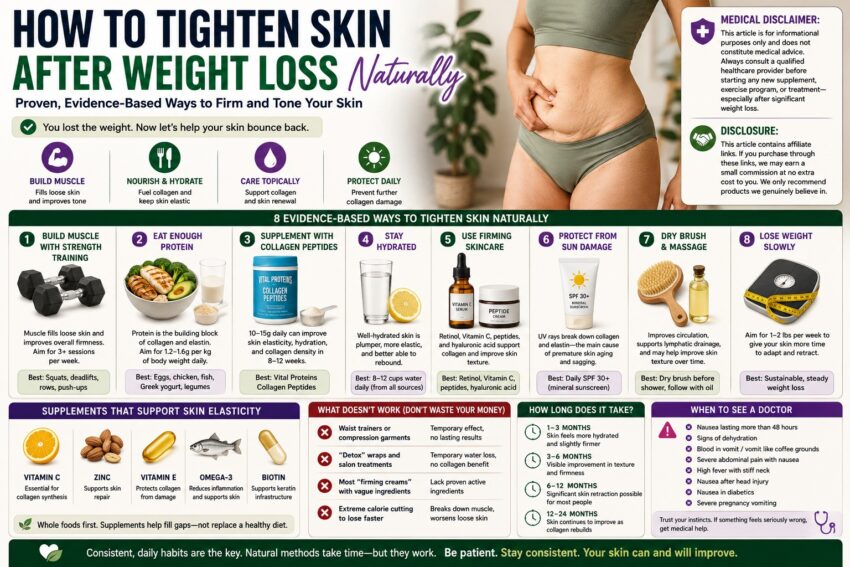
How to Tighten Skin After Weight Loss Naturally: 8 Evidence-Based Methods
1. Build Muscle to Fill the Skin
Resistance training is the single most effective natural strategy for tightening loose skin. When you build muscle underneath, the skin has something to sit against — reducing the appearance of sagging dramatically.
A 2015 study published in Obesity Surgery found that progressive resistance training significantly improved body composition and skin appearance in post-bariatric patients without surgical intervention. Compound movements — squats, deadlifts, rows, push-ups — recruit the most muscle and deliver the best results.
Aim for at least 3 resistance training sessions per week. You don’t need a gym. Bodyweight exercises done consistently will make a visible difference over 3–6 months.
2. Eat Enough Protein
Collagen is a protein. So is elastin. If you’re not eating enough protein, your body doesn’t have the raw materials to repair and rebuild skin tissue.
The RDA for protein is 0.8g per kg of body weight, but most researchers studying body composition recommend 1.2–1.6g per kg if you’re actively trying to build muscle and improve skin health. For a 70kg (154lb) person, that’s roughly 85–112g of protein daily.
Prioritize whole food sources first: eggs, chicken, fish, legumes, Greek yogurt. If you’re consistently falling short, a collagen peptide supplement or whey protein powder can help close the gap.
3. Supplement With Collagen Peptides
Collagen supplements have moved from trendy to genuinely evidence-backed. A 2019 review in the Journal of Drugs in Dermatology found that hydrolyzed collagen peptides improved skin elasticity, hydration, and dermal collagen density after 8–12 weeks of consistent use.
Hydrolyzed collagen (collagen peptides) is the form your gut can actually absorb. Look for Type I and Type III collagen, which are the dominant types in skin. Take 10–15g daily, mixed into coffee, smoothies, or water.
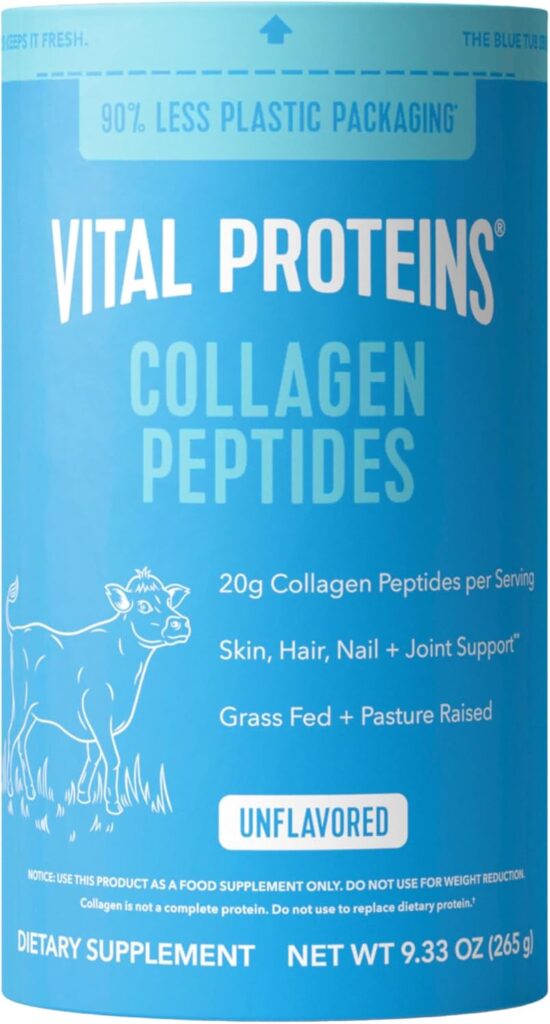
A well-reviewed option worth considering is Vital Proteins Collagen Peptides — unflavored, sourced from grass-fed bovine hide, and one of the most-studied brands on the market.
4. Stay Hydrated
Dehydrated skin loses elasticity fast. Water makes up a significant portion of the dermis, and chronic mild dehydration visibly affects skin texture and firmness.
The National Academies of Sciences recommends about 3.7 liters (125oz) of total water per day for men and 2.7 liters (91oz) for women — from all sources including food. Most people are running 20–30% short of that.
If plain water bores you, herbal teas count toward your daily intake. There’s solid evidence that certain herbal drinks support skin health from the inside out — something worth exploring if you’re also dealing with inflammation or gut issues alongside skin changes.
5. Use Firming Skincare Products Consistently
Topical products won’t replace collagen lost deep in the dermis — but they’re not useless either. The right ingredients genuinely improve surface-level skin texture and support long-term elasticity with consistent use.
Ingredients with real evidence behind them:
- Retinol (Vitamin A) — stimulates collagen production and speeds cell turnover. One of the most studied anti-aging actives.
- Vitamin C serum — a cofactor in collagen synthesis; also protects existing collagen from oxidative damage
- Hyaluronic acid — pulls water into the skin, plumping the surface layer
- Peptides — signal skin cells to produce more collagen and elastin
- Caffeine — temporarily tightens and firms, especially for the belly and thighs
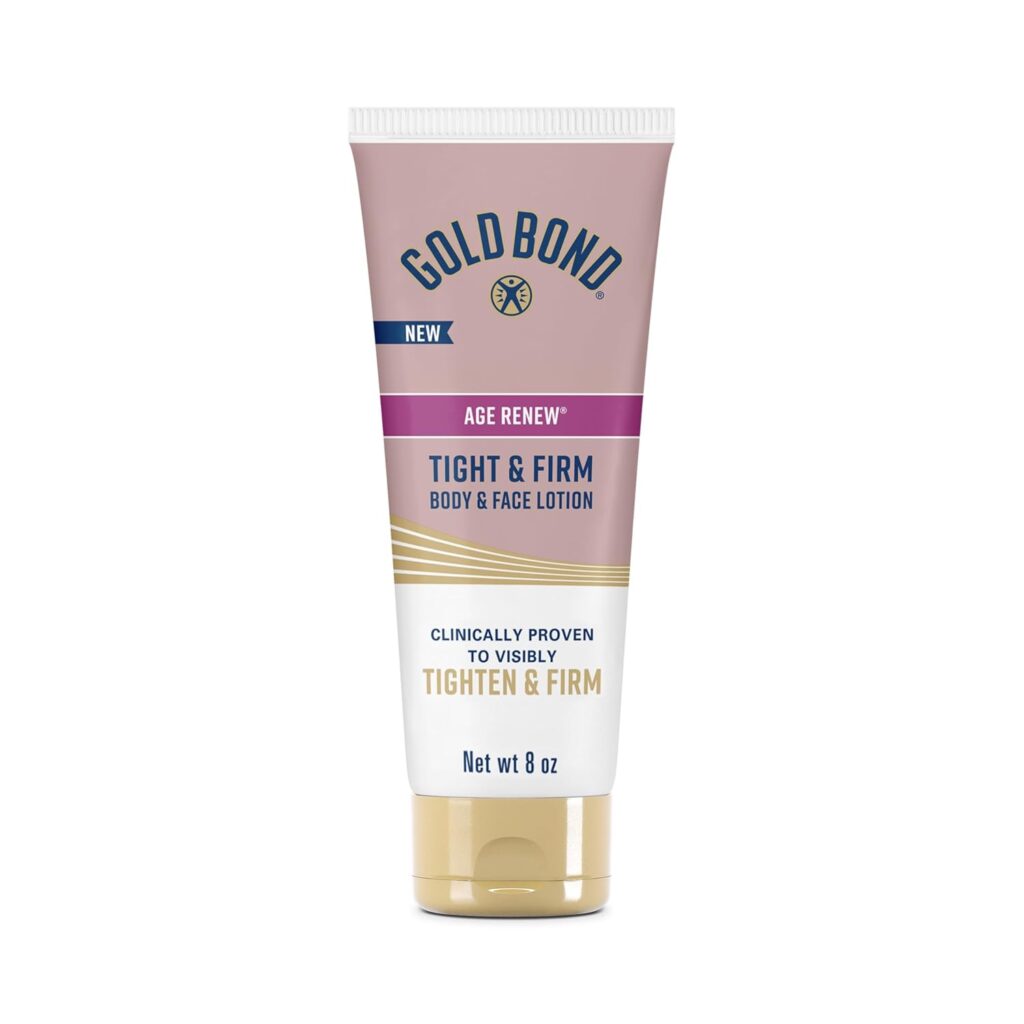
For body areas with loose skin, a firming body lotion with retinol or peptides applied twice daily can make a meaningful difference over time. Gold Bond Firming Body Lotion contains peptides and is widely available and well-tolerated.
6. Protect Your Skin From Sun Damage
UV radiation is one of the fastest ways to destroy collagen and elastin. The American Academy of Dermatology (AAD) states clearly that sun exposure is the primary environmental cause of premature skin aging — including loss of firmness and elasticity.
If you’re actively trying to tighten skin, adding UV damage on top is working against yourself. Wear SPF 30+ daily on exposed skin, even in winter. If you’re looking for a clean, non-toxic option, the best natural sunscreens in 2026 are a good starting point — mineral formulas with zinc oxide protect without the hormone-disrupting chemicals found in some conventional sunscreens.
7. Dry Brushing and Massage
Dry brushing — using a firm-bristled brush on dry skin before showering — has been used for centuries to stimulate circulation. While the evidence is mostly anecdotal, regular massage does increase blood flow to the skin, which may support collagen turnover and lymphatic drainage.
A 2014 study in Scientific World Journal found that connective tissue massage improved the appearance of cellulite and skin texture, likely through improved circulation and mechanical stimulation of fibroblasts (the cells that produce collagen).
Dry brush in long upward strokes toward the heart, then follow with a moisturizer or body oil. Natural oils like coconut, rosehip, or almond oil add hydration and nutrients. If you’re interested in which oils are worth using, our guide to natural hair oils covers many of the same plant-based oils that also benefit skin.
8. Slow Down Future Weight Loss
This one’s for those still in the process of losing weight. Rapid weight loss — more than 1–2 lbs per week — significantly increases the risk of loose skin because the skin can’t keep pace with the shrinking fat layer underneath.
Slower, sustained loss gives the skin more time to gradually retract. If you’re losing weight through calorie restriction, aiming for a moderate deficit (300–500 calories/day) rather than a crash diet protects skin elasticity over time. It also preserves more muscle, which matters for the reasons above.
What About Natural Supplements for Skin Elasticity?
Beyond collagen peptides, a few other supplements have real evidence behind them for skin health:
| Supplement | What It Does | Evidence Level |
|---|---|---|
| Vitamin C | Essential cofactor for collagen synthesis; antioxidant | Strong |
| Collagen peptides | Directly supports dermal collagen density | Strong |
| Zinc | Supports wound healing and skin repair | Moderate |
| Vitamin E | Protects collagen from free radical damage | Moderate |
| Omega-3 fatty acids | Reduces inflammation; supports skin barrier function | Moderate |
| Biotin | Supports keratin infrastructure in skin | Limited (mostly deficiency cases) |
Most people can get adequate Vitamin C, Zinc, and Vitamin E through a varied whole-food diet. If you’re not eating a wide range of vegetables, fruits, and healthy fats, a quality multivitamin fills most gaps.
How Long Does It Take to See Results?
This is the question everyone wants answered, and the honest answer is: it depends. But here’s a realistic timeline based on what the research and clinical experience suggest:
- 1–3 months: Skin feels more hydrated and slightly firmer with consistent moisturizing and hydration
- 3–6 months: Visible improvement in texture and firmness with resistance training + collagen supplementation
- 6–12 months: Significant skin retraction possible for mild to moderate loose skin, especially in younger individuals
- 12–24 months: Skin continues to improve post-weight loss as collagen remodeling is a slow biological process
Age is the biggest variable. Someone in their 20s or 30s will typically see much faster and more complete retraction than someone in their 50s or 60s — though older individuals can still see meaningful improvement.
What Doesn’t Work (Despite the Hype)
There’s no shortage of products and tricks claiming to tighten loose skin overnight. Here’s what you can stop wasting money on:
- Waist trainers and compression garments — reshape temporarily, do nothing for actual skin structure
- “Detox” wraps and salon treatments — temporary water loss, zero lasting effect on collagen
- Most “firming creams” with vague ingredient lists — if it doesn’t specify retinol, peptides, or Vitamin C, it’s likely just moisturizer
- Extreme calorie cutting to lose faster — breaks down muscle, worsens loose skin
Natural doesn’t mean slow or ineffective — but it does mean consistent. The methods that work take weeks to months, not days.
When to See a Doctor
Natural methods work well for mild to moderate loose skin. But there are situations where it’s worth talking to a healthcare provider or dermatologist:
- Skin folds that stay constantly moist — this can lead to fungal infections or dermatitis and needs medical management
- Skin rashes, persistent itching, or breakdown in folded areas
- Significant loose skin after extreme weight loss (100+ lbs) — natural methods may have limited effect; a plastic surgeon can discuss body contouring options
- Psychological distress related to body image after weight loss — this is real and treatable; a mental health professional can help
- Unexplained rapid skin changes — always worth a dermatology check
Surgical options like panniculectomy or tummy tuck are effective for severe cases, but they’re elective procedures with real risks. Most doctors recommend exhausting natural methods for at least 12–24 months post-weight-loss before considering surgery.
Frequently Asked Questions
Can you really tighten skin naturally after weight loss?
Yes — for mild to moderate loose skin, natural methods genuinely work. Resistance training, collagen supplementation, proper nutrition, and consistent skincare all contribute. Results take months, not days, and depend on age, genetics, and how much weight was lost.
How long does it take for skin to tighten after weight loss?
Most people see meaningful improvement within 6–12 months of consistent effort. Skin continues remodeling for up to 2 years after weight loss stabilizes. Younger people tend to see faster results.
Does drinking water help tighten loose skin?
Hydration supports skin elasticity and texture, but it won’t reverse deep structural changes in the dermis on its own. It works best as part of a broader approach alongside protein, exercise, and topical care.
Does losing weight too fast cause more loose skin?
Yes. Rapid weight loss — more than 1–2 lbs per week — significantly increases loose skin because the skin can’t contract quickly enough to match the shrinking tissue underneath. Slower loss with resistance training minimizes this.
What is the best natural oil for tightening skin?
Rosehip oil is one of the most evidence-backed options — it contains Vitamin A (retinol precursor), Vitamin C, and essential fatty acids that support collagen synthesis. Almond oil and coconut oil are popular for moisturizing but have less specific evidence for firming.
Does collagen really help with loose skin?
Yes, with an important caveat: you need hydrolyzed collagen peptides, not gelatin or whole collagen. Multiple randomized controlled trials show that 10–15g of collagen peptides daily for 8–12 weeks improves skin elasticity and hydration measurably.
Can exercise alone tighten loose skin?
Resistance training helps significantly by building muscle under the skin. But exercise alone — especially cardio without strength training — won’t do much for loose skin. Pair it with protein, hydration, and targeted skincare for best results.
Summary
Learning how to tighten skin after weight loss naturally comes down to a few non-negotiables: build muscle through resistance training, eat enough protein, supplement with hydrolyzed collagen peptides, stay well-hydrated, and protect your skin from UV damage daily.
None of it is glamorous. All of it works given enough time. The biggest mistake people make is expecting results in a few weeks and giving up. Skin remodeling is a biological process measured in months, not days.
Start with the two highest-leverage changes — strength training and collagen peptides — then layer in the others consistently. Give it 6 months of genuine effort before judging the results.
If your loose skin is causing physical discomfort or skin problems in folded areas, see a dermatologist. You don’t have to just live with it — but you also don’t need surgery as a first resort.
Medical Disclaimer: This article is for informational purposes only. It does not replace professional medical advice, diagnosis, or treatment. Consult your doctor or a qualified healthcare provider before making changes to your diet, exercise routine, or supplement regimen — particularly following significant weight loss.