Disclosure: This article contains affiliate links. If you purchase through these links, we may earn a small commission at no extra cost to you. We only recommend products we genuinely believe in.
This article is for informational purposes only. Natural lightening methods can affect hair health and scalp condition. If you have a sensitive scalp, color-treated hair, or any skin conditions, consult a dermatologist before trying these methods.
You Want Lighter Hair — But Not a Chemistry Experiment on Your Head
Bleach works. Nobody debates that. But it also strips protein from your hair shaft, can cause breakage, and leaves your scalp irritated for days. That’s why so many people search for a gentler way to go a shade or two lighter without booking a salon appointment or opening a bottle of developer.
The honest truth: natural lightening is slower and subtler than chemical bleach. You won’t go from dark brown to platinum in a weekend. But if you want sun-kissed highlights, a slightly lighter base, or a gradual shift over a few weeks, these methods genuinely work — and your hair will be in far better shape for it.
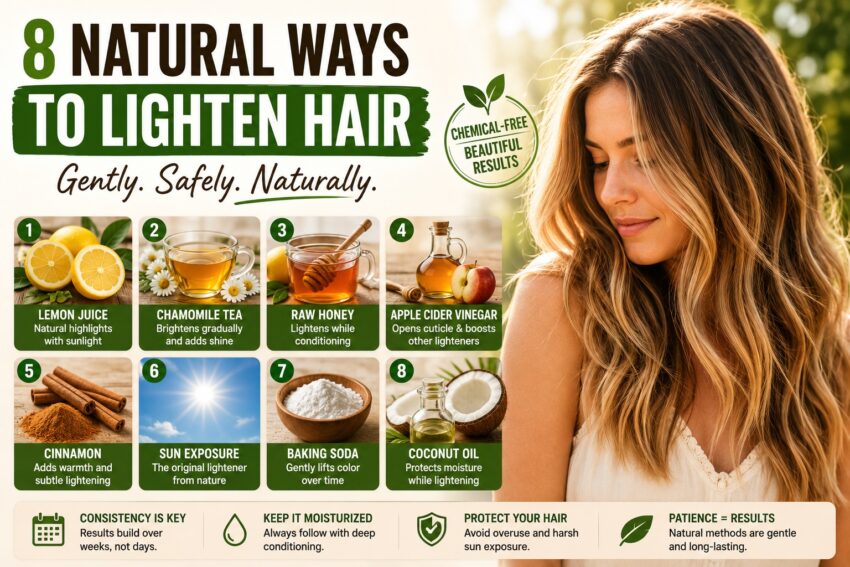
Below are eight proven natural approaches, how to use each one correctly, and what results you can realistically expect.
1. Lemon Juice — The Classic (With Caveats)
Lemon juice is the most well-known natural hair lightener, and it earns that reputation. The citric acid oxidizes melanin in your hair shaft when exposed to sunlight, which gradually lifts color. It’s most effective on already-light or medium brown hair.
How to use it: Mix equal parts fresh lemon juice and water. Apply to dry hair, focusing on the sections you want to lighten. Sit in direct sunlight for 30–60 minutes, then rinse and condition thoroughly.
The caveat is real: lemon juice is acidic enough to dry out and weaken hair if overused. Limit it to once a week, always follow with a deep conditioner, and never apply it to already-damaged or bleached hair. If you’re looking for a clean conditioner to pair with this, check out our guide to the best natural shampoos in 2026 — most of those brands also make solid conditioners worth using alongside natural treatments.
2. Chamomile Tea Rinse — Gentle and Cumulative
Chamomile contains apigenin and quercetin, flavonoids that have a mild lightening effect on hair — particularly on blonde and light brown shades. It won’t dramatically lift dark hair, but it adds warmth and brightness over time.
How to use it: Brew 4–6 chamomile tea bags in two cups of hot water for 20 minutes. Let it cool completely. After shampooing, pour it over your hair, massage it in, and let it sit for 15–30 minutes before rinsing. Repeat 2–3 times a week for several weeks to see a visible shift.
This is one of the gentlest options on this list. It conditions as it lightens and is safe for color-treated hair. The results are subtle — think “naturally sun-exposed” rather than “highlighted.”
3. Raw Honey — Slow-Release Hydrogen Peroxide
This one surprises people. Raw honey naturally produces small amounts of hydrogen peroxide as it dilutes, which means it has genuine lightening potential. It also contains enzymes and humectants that condition hair at the same time.
How to use it: Mix half a cup of raw honey with enough conditioner to make it spreadable (roughly a quarter cup). Apply to damp hair, cover with a shower cap, and leave it on for 1–4 hours before rinsing. Longer application time = more lift. You can repeat weekly.
Results are gradual — typically half a shade to a full shade lighter over several sessions. Dark hair will see less change than light to medium brown hair. Use raw honey, not processed honey, which has had most of its enzymes destroyed.
4. Apple Cider Vinegar — A Supporting Player
Apple cider vinegar on its own won’t dramatically lighten hair, but it does something useful: it opens the hair cuticle slightly, which makes it more receptive to other lightening agents like lemon juice or chamomile. It also removes product buildup that can make hair look dull and darker than it actually is.
How to use it: Mix one part ACV with four parts water. Use it as a final rinse after shampooing. Let it sit for a minute or two, then rinse out. Combine this with chamomile rinses or lemon treatments for better results than either approach alone.
Don’t overdo it. ACV is acidic, and frequent use can dry out your hair. Once a week is plenty.
5. Cinnamon — Mild Lift With a Warm Tone
Cinnamon contains compounds including cinnamaldehyde, which has a mild oxidizing effect on hair pigment. The lightening is subtle and imparts warm, reddish tones — so it works best on brunettes who want warmth rather than a cooler, ashy lift.
How to use it: Mix two tablespoons of ground cinnamon with enough conditioner to make a paste. Apply to clean, damp hair and leave on for 2–4 hours with a shower cap. Rinse thoroughly — it takes time to wash out completely.
Some people report scalp tingling or mild irritation. Do a patch test on your inner arm first, especially if your scalp is sensitive. The effect builds over multiple treatments rather than appearing dramatically after one.
6. Sun Exposure — The Original Lightener
Sunlight causes photooxidation of melanin in your hair shaft, which is why hair naturally lightens in summer. You can accelerate this by spending more time outdoors with your hair exposed — no products needed.
The key is consistency. A few hours outside on multiple days works better than one long afternoon. Pair it with a salt water spray (dissolve a teaspoon of sea salt in a cup of water) to mimic the beach effect — the salt slightly opens the cuticle and boosts photolightening.
The downside: sun exposure dries hair out over time. Condition regularly and consider using a natural hair oil on your ends before heading outside to protect them while still allowing lightening to happen at the roots and mid-shaft.
7. Vitamin C Rinse — An Underrated Option
Crushed vitamin C tablets mixed with shampoo are a well-known method for removing artificial hair color — but the same mechanism (oxidation) also has a mild lightening effect on natural hair when used repeatedly. Ascorbic acid disrupts melanin bonds gradually.
How to use it: Crush 5–10 vitamin C tablets (plain, unflavored ascorbic acid) and mix with your regular shampoo to form a paste. Apply to wet hair, massage in, and leave for 20–30 minutes before rinsing. Use once or twice a week.
This method is much gentler than lemon juice despite both being acidic, partly because the application time is shorter and it’s diluted with shampoo. Good for people who find lemon too harsh.
8. Baking Soda — With Caution
Baking soda lifts hair color by raising the pH of the hair shaft, which opens the cuticle and causes the color pigment to fade. It works quickly compared to other natural methods — but it’s also the most damaging option on this list if overused.
How to use it: Mix baking soda with water to form a thin paste. Apply to damp hair, leave for no more than 15–20 minutes, then rinse and condition deeply. Use sparingly — no more than once every two weeks.
Be cautious with this one if you have fine, dry, or previously processed hair. The high pH can cause frizz, breakage, and brittleness. Always follow baking soda treatments with an acidic rinse (like diluted ACV) to help close the cuticle back down.
What to Realistically Expect
| Method | Best For | Lift Potential | Time to See Results | Damage Risk |
|---|---|---|---|---|
| Lemon Juice | Light to medium brown | 1–2 shades | 2–4 sessions | Moderate |
| Chamomile Tea | Blonde to light brown | Subtle brightening | Several weeks | Very low |
| Raw Honey | Light to medium brown | 0.5–1 shade | 4–6 sessions | Low |
| Apple Cider Vinegar | All types (supporting) | Minimal on its own | N/A (use with others) | Low |
| Cinnamon | Brunettes wanting warmth | Subtle warm lift | 3–5 sessions | Low–moderate |
| Sun Exposure | All natural hair types | 1–2 shades over summer | Weeks of exposure | Low (with conditioning) |
| Vitamin C | Light to medium hair | Subtle | Several weeks | Very low |
| Baking Soda | All types (use sparingly) | 1–2 shades | 2–3 sessions | High if overused |
Tips to Make Natural Lightening Work Better
- Combine methods — chamomile rinse followed by sun exposure is far more effective than either alone.
- Start on clean hair — product buildup blocks lightening agents from penetrating the shaft.
- Deep condition after every treatment — natural lighteners still cause some oxidative stress on your strands.
- Be patient — natural methods work cumulatively over weeks, not in a single session.
- Dark hair has more melanin — natural methods will work more slowly and subtly on very dark brown or black hair. Manage expectations accordingly.
Products Worth Having on Hand
A few tools make the process easier and protect your hair between treatments:
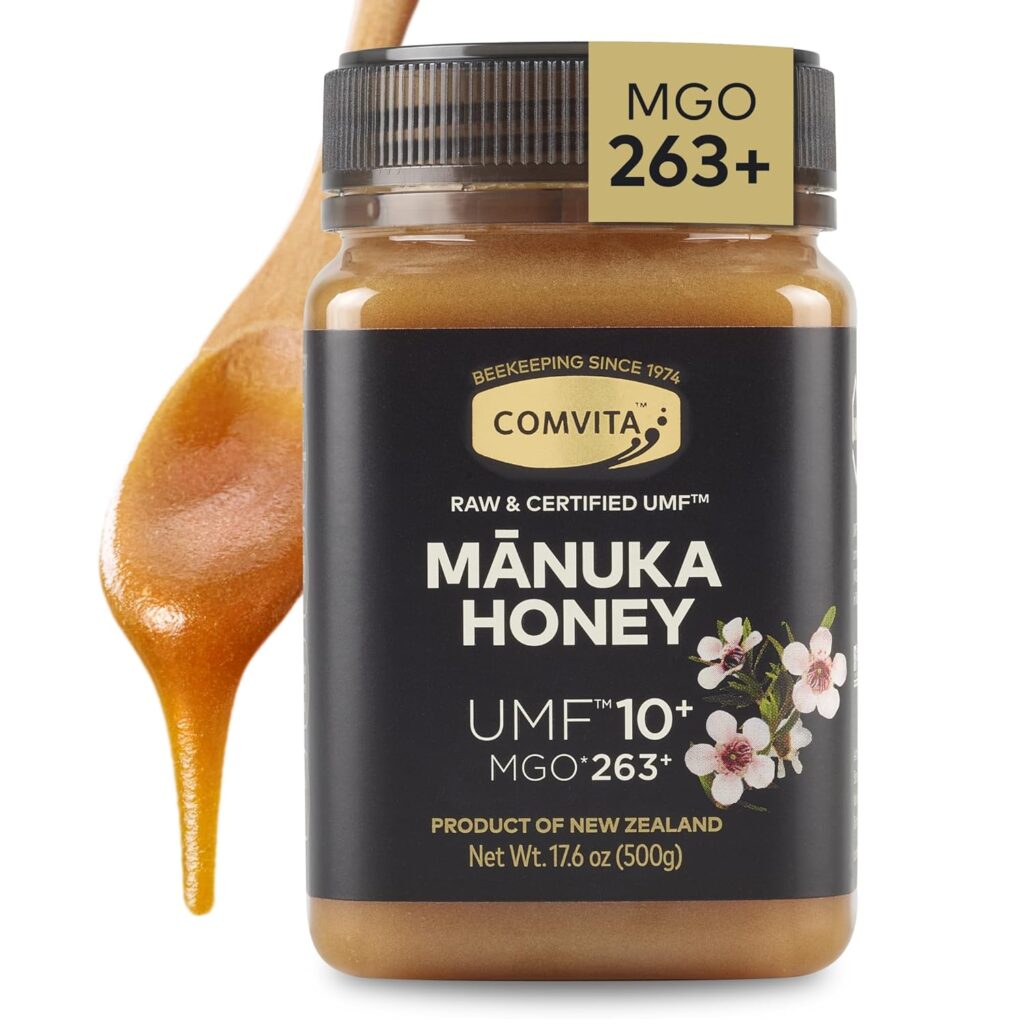
- Raw Manuka Honey — higher enzyme content than regular honey, better lightening results. Look for UMF 10+ or higher. Find raw Manuka honey on Amazon.
- Chamomile Tea Bags — use a high-quality pure chamomile, not blends. Shop chamomile tea bags on Amazon.
- Argan or Jojoba Oil — apply to ends before any treatment to minimize dryness. Our roundup of natural hair oils covers which ones work best for this purpose.
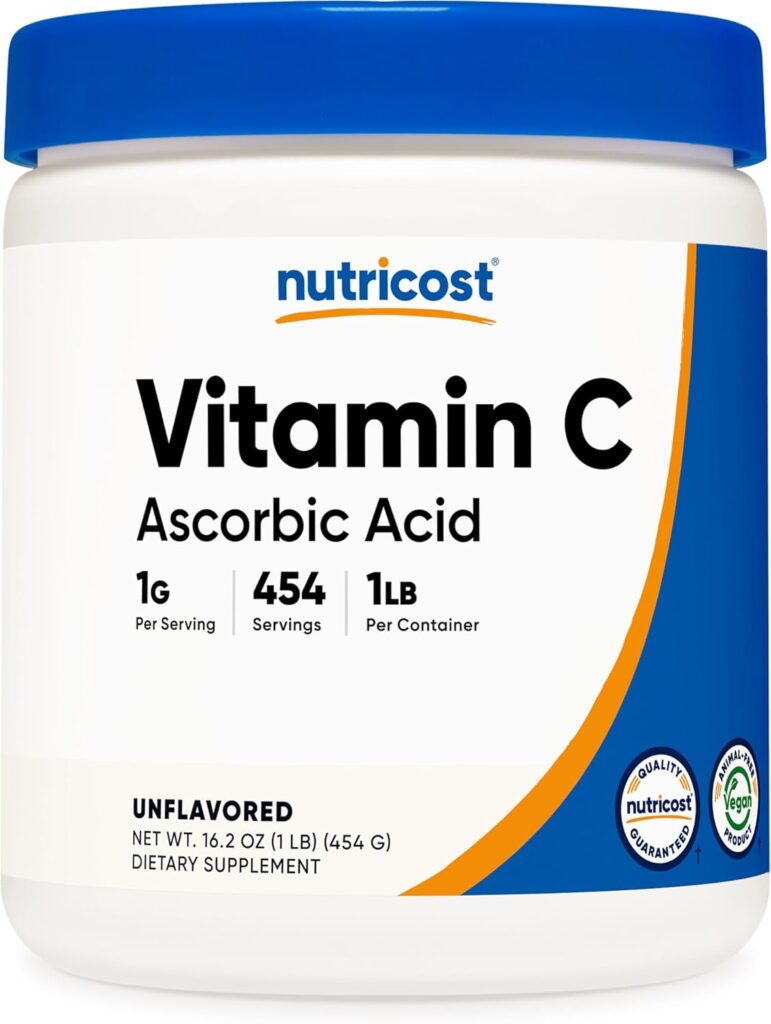
- Vitamin C Powder (pure ascorbic acid) — easier to work with than tablets and dissolves cleanly into shampoo. Find ascorbic acid powder on Amazon.
When to See a Doctor or Dermatologist
Natural lightening is generally low-risk, but stop and get checked out if you notice:
- Scalp burns, blistering, or severe redness — especially after lemon juice and sun exposure combined.
- Sudden or unexplained hair loss — this is not a side effect of natural lightening and warrants investigation.
- Allergic reaction signs — itching, swelling, or hives after applying any of these ingredients, particularly cinnamon or honey.
- Persistent scalp irritation — if your scalp doesn’t settle within a couple of days after any treatment, see a dermatologist.
A board-certified dermatologist can assess scalp health and recommend safe approaches if you have psoriasis, eczema, or other skin conditions affecting your scalp.
Frequently Asked Questions
How can you lighten your hair naturally without sun?
Raw honey masks and chamomile rinses both work indoors. They’re slower than sun-assisted methods, but over several weeks you’ll see a noticeable shift — especially on lighter hair. Vitamin C treatments also work without sunlight.
Does lemon juice permanently lighten hair?
Lemon juice causes oxidative lightening, which is permanent for the treated strands — they won’t revert. However, new growth comes in at your natural color, so regrowth will be visible over time.
Can you lighten very dark hair naturally?
You can, but the results will be subtle. Very dark brown or black hair contains more eumelanin, which is harder to oxidize with gentle methods. Expect warm highlights or slight brightening rather than dramatic lightening.
How long does it take to naturally lighten hair?
Most methods require 4–8 weeks of consistent use to produce visible results. Lemon juice with sun is the fastest, often showing a noticeable shift within 2–3 sessions. Chamomile and honey are the slowest but gentlest.
Is it safe to use lemon juice on color-treated hair?
Use caution. The acidity can react unpredictably with artificial color — potentially causing uneven results or additional damage. Chamomile and honey are safer choices for already-colored hair.
What’s the safest natural hair lightening method?
Chamomile tea rinses are the gentlest and lowest-risk option. They’re appropriate for sensitive scalps, color-treated hair, and frequent use. Results are slow but the risk of damage is minimal.
The Bottom Line
If you’re wondering how you can lighten your hair naturally, the answer depends on how much lift you need and how patient you’re willing to be. Lemon juice and sun exposure are your workhorses for real visible lightening. Chamomile and honey are your slow-burn, low-risk options. And baking soda can speed things up — but only if you use it sparingly and condition aggressively afterward.
The biggest mistake people make is expecting one session to do what bleach does in an hour. Natural methods work differently — they work gradually, they protect your hair’s integrity, and they give you results that actually look like your hair got lighter rather than processed. That’s a trade-off most people are happy to make once they stick with it.
Support your hair through the process with a quality natural oil and a clean shampoo — both make a real difference in how your strands hold up between treatments.
Medical disclaimer: This article is for informational purposes only and does not constitute medical or dermatological advice. If you experience scalp irritation, allergic reactions, or unusual hair loss, consult a qualified healthcare provider.