Disclosure: This article contains affiliate links. If you purchase through these links, we may earn a small commission at no extra cost to you. We only recommend products we genuinely believe in.
Medical Disclaimer: This article is for informational purposes only and does not constitute medical advice. Ulcerative colitis is a serious chronic condition. Always consult a qualified healthcare provider before starting any herbal supplement, especially if you are on prescription medication. Do not use herbal remedies as a substitute for prescribed treatment.
Living With UC Means You’ll Try Almost Anything
Ulcerative colitis doesn’t just affect your gut. The urgency, the bleeding, the fatigue — it takes over your life. So it’s completely understandable that people start searching beyond prescription meds for something that might ease the burden.
The problem is the internet is full of miracle claims and zero caveats. Some herbs genuinely have clinical data behind them. Others are popular online but barely tested. Knowing the difference matters — especially when some supplements can interact badly with the immunosuppressants and biologics commonly used in UC treatment.
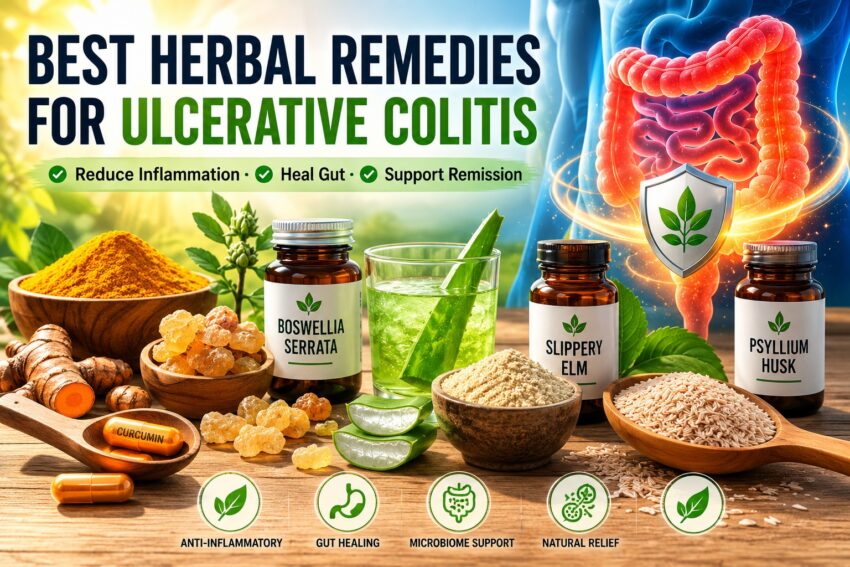
This guide covers the most-researched ulcerative colitis herbal treatments, ranked by evidence quality, with honest notes on what we still don’t know.
How Herbal Remedies Might Help Ulcerative Colitis
UC is driven by chronic inflammation of the colon’s mucosal lining. The immune system attacks the gut wall — causing ulcers, bleeding, and disrupted bowel function. Herbal interventions generally work through a few mechanisms:
- Anti-inflammatory action — reducing pro-inflammatory cytokines like TNF-α and IL-6
- Mucosal protection — coating or soothing the intestinal lining
- Antioxidant activity — reducing oxidative stress in gut tissue
- Microbiome support — shifting gut bacteria toward healthier profiles
None of these mechanisms replace the targeted action of biologics or corticosteroids in moderate-to-severe UC. But in mild-to-moderate cases, or as adjuncts to conventional therapy, some herbs show genuine promise.
The Best-Evidenced Herbal Treatments for Ulcerative Colitis
1. Curcumin (Turmeric)
Curcumin is the most clinically studied herbal compound for UC — and the results are genuinely encouraging. It’s the active polyphenol in turmeric, and it inhibits NF-κB, a key inflammatory pathway directly involved in UC flares.
A randomized controlled trial published in Clinical Gastroenterology and Hepatology found that patients taking curcumin alongside standard mesalamine therapy had significantly higher remission rates than those on mesalamine alone. Another meta-analysis of multiple RCTs confirmed curcumin’s ability to induce and maintain remission in mild-to-moderate UC.
The main challenge with curcumin is bioavailability — it’s poorly absorbed on its own. Look for formulations with piperine (black pepper extract) or phospholipid complexes, which dramatically improve absorption.
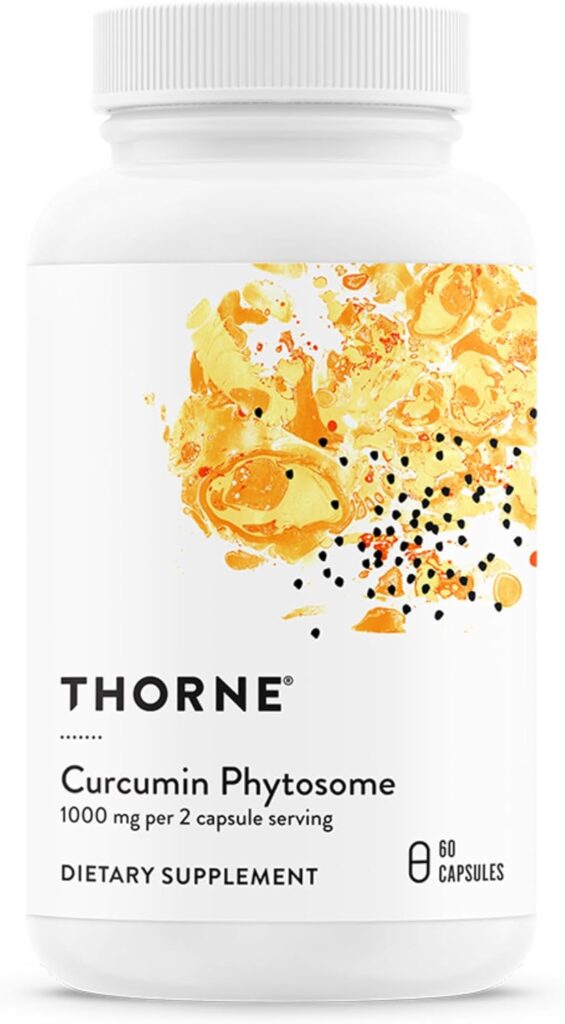
A well-regarded option is Thorne Meriva SF (Soy Free) Curcumin Phytosome, which uses a phospholipid-bound form shown to absorb significantly better than standard curcumin powder.
2. Boswellia Serrata (Indian Frankincense)
Boswellia is one of the few herbs with head-to-head trial data against pharmaceutical drugs for IBD. Its active compounds — boswellic acids, particularly AKBA — inhibit 5-lipoxygenase, an enzyme that drives leukotriene-mediated gut inflammation.
A notable German study compared Boswellia extract (H15) to mesalamine in patients with Crohn’s disease and found comparable remission rates. UC-specific trials are smaller but still positive. A 2024 review in Phytomedicine highlighted Boswellia as one of the most promising botanicals for IBD management.
It’s generally well tolerated. GI discomfort is the most common side effect, which is a bit ironic — start with a lower dose and build up.
3. Aloe Vera (Oral Gel)
Aloe vera’s anti-inflammatory and mucosal-healing properties have been tested specifically in UC patients — not just in lab conditions. A double-blind RCT published in Alimentary Pharmacology & Therapeutics found that oral aloe vera gel achieved clinical response and remission significantly more often than placebo in mild-to-moderate UC over four weeks.
The operative word is “gel” — standardized oral preparations, not juice blends or topical products. Aloe contains compounds called acemannan that appear to modulate immune responses in the gut lining.
One caution: aloe latex (from the outer leaf) is a potent laxative and should be completely avoided in UC. Always use inner-leaf gel-only products.
4. Slippery Elm
Slippery elm bark contains mucilage — a gel-forming fiber that coats the gastrointestinal tract. It doesn’t reduce inflammation directly, but it creates a protective barrier over irritated gut tissue, which can reduce pain and urgency during a flare.
Clinical evidence is limited to small studies and traditional use, but it has a strong safety record. It’s widely used by people with UC as a symptom management tool rather than a disease-modifying therapy. Think of it as soothing, not healing.
If you already deal with constipation as part of your UC pattern (not uncommon in left-sided colitis), slippery elm could worsen that — use with awareness.
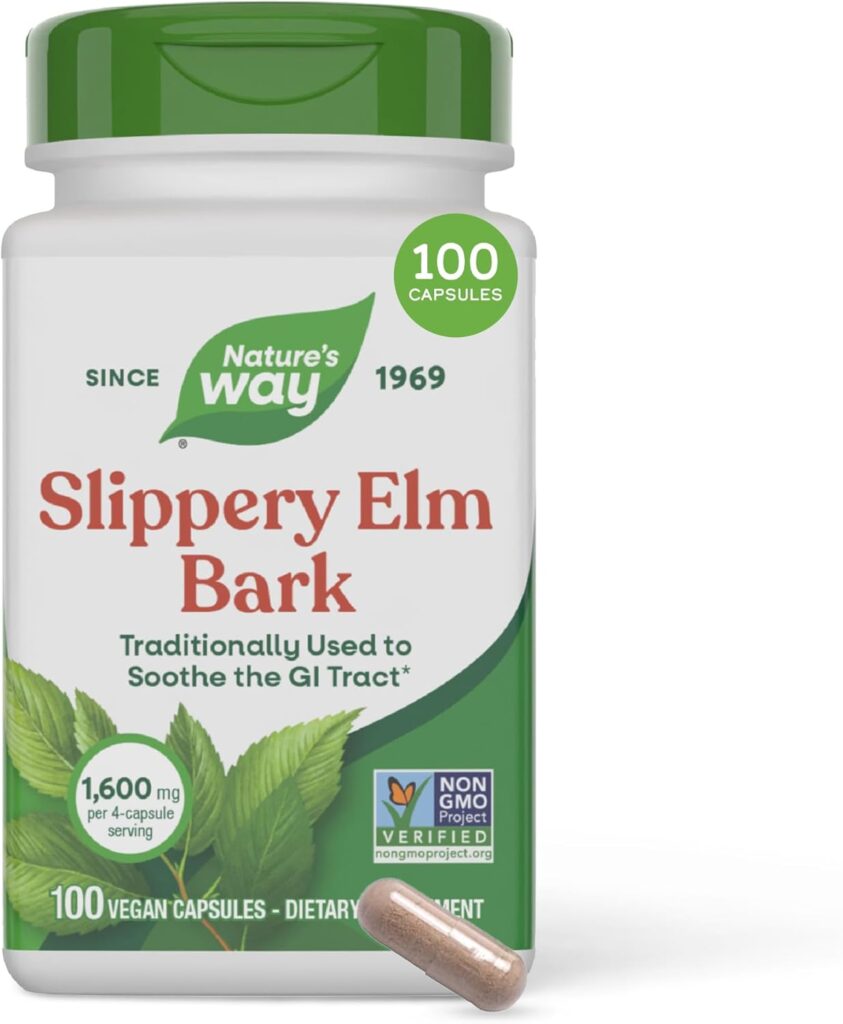
Nature’s Way Slippery Elm Bark capsules are a commonly used, straightforward option.
5. Psyllium Husk
Psyllium isn’t a “herb” in the traditional sense, but it’s a plant-derived fiber with real UC data. Several studies — including research cited by the American College of Gastroenterology — show psyllium can help maintain remission in UC by regulating stool consistency and feeding beneficial gut bacteria.
It produces butyrate, a short-chain fatty acid that directly nourishes colonocytes (the cells lining the colon). Low butyrate is a consistent finding in UC patients. The evidence for psyllium in active flares is weaker — it’s primarily a maintenance tool.
6. Wheatgrass Juice
This one surprises people. A small but well-designed double-blind RCT published in the Scandinavian Journal of Gastroenterology found wheatgrass juice significantly reduced UC disease activity compared to placebo — including rectal bleeding scores and overall severity.
The mechanism isn’t fully understood, but wheatgrass is rich in chlorophyll, antioxidants, and anti-inflammatory compounds. The study used 100ml daily for one month. It’s one of the more underrated natural remedies in the UC space.
Herbs With Limited or Mixed Evidence
These are popular in natural health communities but don’t yet have strong clinical backing for UC specifically. That doesn’t mean they don’t work — just that we can’t say confidently that they do.
| Herb / Remedy | Claim | Evidence Level | Notes |
|---|---|---|---|
| Licorice root (DGL) | Soothes gut lining | Weak / anecdotal | DGL form safer; standard licorice raises blood pressure |
| Marshmallow root | Mucosal coating | Theoretical / traditional | Similar mechanism to slippery elm; no UC-specific trials |
| Ginger | Anti-nausea, anti-inflammatory | Moderate for nausea; limited for UC | Useful for UC-related nausea; not proven for flares |
| Chamomile | Antispasmodic, anti-inflammatory | Lab studies only | No RCTs in UC patients |
| Cat’s claw | Immune modulation | Very limited | May interact with immunosuppressants |
| Andrographis | Anti-inflammatory | Emerging — one positive RCT | Early data promising; more trials needed |
Probiotics: Not an Herb, But Worth Covering
Probiotics have some of the strongest non-pharmaceutical evidence in UC, specifically Escherichia coli Nissle 1917 and the multi-strain VSL#3 formulation. The American Gastroenterological Association includes probiotics in its guidance for UC management, particularly for maintaining remission in mild-to-moderate disease.
They’re not herbal, but they’re frequently lumped into the “natural treatment” category — and in this case, the label is earned. If you’re exploring natural remedies for ulcerative colitis, probiotics deserve a serious look alongside herbs.
What to Watch Out For
Not everything marketed for gut health is safe with UC — or safe alongside your existing medications. A few important red flags:
- Senna and cascara sagrada — stimulant laxatives that can worsen UC symptoms dramatically
- Echinacea — immune stimulating, which is the last thing you want in an autoimmune condition
- High-dose ginger or garlic supplements — blood-thinning effects can worsen rectal bleeding
- St. John’s Wort — interacts with many medications including immunosuppressants via CYP450 enzyme pathways
- Any “detox” or “cleanse” product — these often contain aggressive herbal laxatives with zero evidence and real risk in UC
UC patients on azathioprine, 6-mercaptopurine, or biologics like infliximab need to be especially careful with any supplement that affects immune function or liver enzyme activity. Always disclose supplements to your GI doctor — many interactions are avoidable with a simple conversation.
The Role of Diet Alongside Herbal Treatment
Herbs don’t work in isolation. What you eat has a profound effect on UC disease activity, and certain dietary adjustments can amplify or undermine whatever you’re taking.
The Specific Carbohydrate Diet (SCD) and Mediterranean diet both have some evidence for reducing UC symptoms. Ultra-processed foods, high-sugar diets, and trans fats consistently correlate with worse outcomes. If you’re treating UC with curcumin or Boswellia and eating a diet that drives gut inflammation, the herbs are fighting an uphill battle.
Common sense applies here: fiber from whole foods during remission, lower-residue eating during active flares, and adequate hydration throughout. If you’re also dealing with heartburn alongside UC — which is more common than people realize — managing both requires a careful dietary approach.
A Practical Starting Point
If you’re new to herbal approaches and want to start somewhere evidence-based, here’s a sensible framework:
- Talk to your GI doctor first. Even “natural” supplements can interfere with UC medications. Get clearance before starting anything.
- Start with curcumin — it has the most clinical data, it’s widely available, and when properly formulated it’s well tolerated. Use a bioavailable form.
- Add psyllium in remission — it feeds the colon and helps maintain stool consistency without risk.
- Consider Boswellia if curcumin alone isn’t enough — the two can be combined and work through different mechanisms.
- Use slippery elm or aloe gel situationally — for acute symptom relief during mild flares, not as a standalone treatment.
Don’t try five new things at once. If something causes a reaction — bloating, increased urgency, bleeding — you need to be able to identify which product is responsible.
When to See a Doctor
Herbal remedies should never delay or replace medical evaluation for ulcerative colitis. Seek prompt medical attention if you experience any of the following:
- Rectal bleeding that is new, worsening, or heavy
- Fever above 38°C (100.4°F) with abdominal symptoms
- Significant unintentional weight loss
- Severe abdominal pain or cramping
- More than 6 bloody stools per day (sign of severe flare requiring hospital care)
- Symptoms that don’t improve within a few days on your usual medications
- Any new symptom after starting a herbal supplement
UC can progress silently between flares. Regular colonoscopic surveillance is recommended by the American College of Gastroenterology, especially for those who’ve had UC for 8+ years due to increased colorectal cancer risk. No herbal treatment eliminates the need for that monitoring.
Frequently Asked Questions
Can herbal treatment cure ulcerative colitis?
No. There is currently no herbal treatment — or pharmaceutical treatment — that cures UC. Some herbs can reduce inflammation, ease symptoms, and help maintain remission, but they do not reverse the underlying autoimmune condition. Anyone claiming otherwise is overstating the evidence.
Is turmeric safe to take with UC medications?
Curcumin (turmeric) is generally considered safe alongside mesalamine and most first-line UC medications. However, high doses can affect blood clotting and interact with some immunosuppressants. Always check with your gastroenterologist before combining it with prescription drugs.
How long does it take for herbal remedies to work for UC?
Clinical trials typically assess outcomes at 4–12 weeks. Don’t expect overnight results. Curcumin trials showing remission benefits ran for at least 4 weeks. If you see no change in 6–8 weeks, the herb probably isn’t working for you.
Can I use herbal remedies during a UC flare?
Some — like aloe vera gel and slippery elm — are specifically used during flares for symptomatic relief. Others, like high-fiber supplements, should be avoided during active flares. This is another reason to discuss with your doctor before starting anything.
Is CBD oil useful for ulcerative colitis?
CBD has shown anti-inflammatory properties in preclinical studies, and there is patient-reported evidence of symptom relief. However, robust RCTs in UC patients are still lacking as of 2026. It’s an area to watch, not a proven treatment.
Are herbal teas good for ulcerative colitis?
Certain herbal teas — like chamomile, ginger, and slippery elm tea — may offer gentle symptomatic relief. They’re unlikely to harm in mild UC, but they won’t replace clinical treatment. Avoid teas containing senna, which is a laxative stimulant. You can explore options in this guide to herbal tea for upset stomach.
The Bottom Line on Ulcerative Colitis Herbal Treatment
Ulcerative colitis herbal treatment is not pseudoscience — but it’s not a replacement for medical care either. Curcumin, Boswellia, and aloe vera have genuine clinical data. Slippery elm and psyllium offer practical symptom support. Probiotics, while not herbal, are among the best-studied natural interventions available.
The key is using them as adjuncts — not alternatives — to your gastroenterologist’s treatment plan. Be transparent with your doctor, introduce supplements one at a time, and stay realistic about what herbs can and can’t do for a complex autoimmune condition.
Used wisely, natural remedies for ulcerative colitis can meaningfully improve quality of life between and during flares. Used recklessly, they can delay proper treatment and cause real harm. The difference is information — and hopefully this guide gives you enough to have a much better conversation with your care team.
Medical Disclaimer: This content is for educational purposes only. It is not a substitute for professional medical advice, diagnosis, or treatment. Always seek the guidance of your physician or gastroenterologist with any questions you have regarding ulcerative colitis or other medical conditions. Never disregard professional medical advice or delay seeking it because of something you have read here.