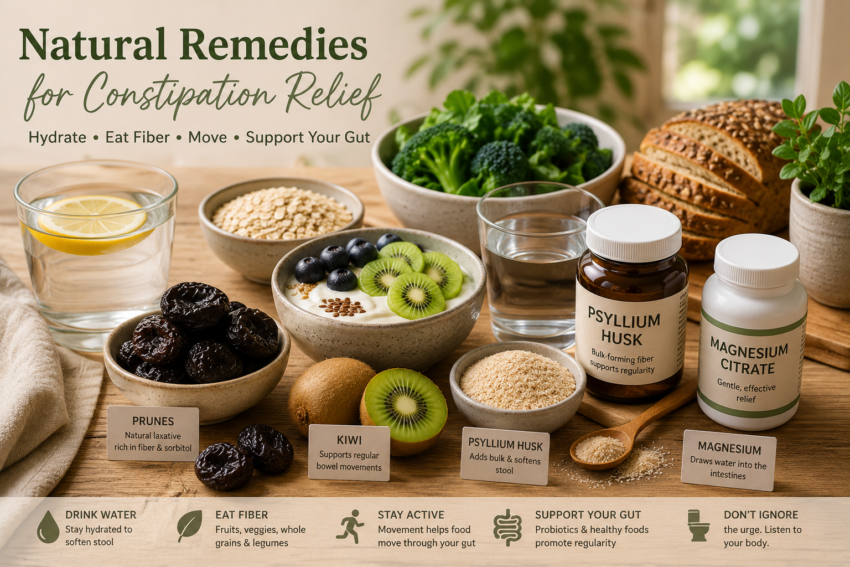
Medical Disclaimer: This article is for informational purposes only and does not constitute medical advice. Always consult a qualified healthcare provider before starting any new supplement, remedy, or treatment — especially if you have a chronic condition, are pregnant, or are taking medications.
When Nothing’s Moving, Here’s Where to Start
Constipation is one of those things everyone deals with but nobody talks about. You feel bloated, uncomfortable, and like your body is working against you. And the last thing you want is to grab a harsh over-the-counter laxative that leaves you cramping in the bathroom for the next three hours.
The good news? There are natural remedies for constipation that actually work — and most of them are things you can start today without a trip to the pharmacy.
According to the National Institute of Diabetes and Digestive and Kidney Diseases (NIDDK), about 16 out of 100 adults in the US experience constipation symptoms. It’s incredibly common, and in most cases, it responds well to lifestyle and dietary changes before you ever need medication.
Here’s what works, what’s overhyped, and how to figure out which approach fits your situation.
The Basics That Most People Skip (But Shouldn’t)
Before getting into the specific remedies, it’s worth being honest: the two most reliable fixes are the ones we already know but tend to ignore.
Water — More Than You Think You Need
Dehydration is one of the most common causes of constipation. When your body is low on fluid, your colon pulls water out of the stool to compensate. The result is hard, dry stool that’s difficult to pass.
The NIDDK recommends drinking enough fluids throughout the day — most adults need around 8 cups, but more if you’re active or it’s hot outside. Warm liquids in the morning, especially warm water with lemon, can stimulate your digestive tract and get things moving relatively quickly.
Movement Actually Moves Things
Physical activity speeds up the time it takes food to move through your large intestine. Even a 15–20 minute walk after meals can make a meaningful difference. This is well-established in the research — a 2019 study published in the Journal of Neurogastroenterology and Motility found that physical activity significantly improved constipation symptoms in participants compared to a control group.
You don’t need to run a 5K. Consistent, moderate movement is what counts.
Foods That Help With Constipation
What you eat is the most direct lever you have over your digestive system. These are the foods with the best evidence behind them.
Prunes — The Classic That Actually Earns Its Reputation
Prunes for constipation are not just an old wives’ tale. They contain both soluble fiber and sorbitol, a natural sugar alcohol that draws water into the stool and stimulates bowel movements. A clinical trial published in Alimentary Pharmacology & Therapeutics found that prunes were more effective than psyllium husk for improving stool frequency and consistency.
Three to four prunes in the morning — or a small glass of prune juice — is a solid starting dose. Give it 12–24 hours to work.
Fiber-Rich Foods (But the Right Kind)
The FDA recommends 28 grams of fiber per day for adults, but the average American gets closer to 15 grams. That gap matters. Fiber adds bulk to stool and helps it pass more easily — but there’s a catch.
There are two types of fiber, and they do different things:
- Soluble fiber (oats, apples, flaxseed, beans) absorbs water and forms a gel, softening stool.
- Insoluble fiber (whole wheat, bran, most vegetables) adds bulk and speeds transit time.
For constipation specifically, soluble fiber tends to be gentler. Jumping straight into a high-bran diet can actually make bloating and discomfort worse at first. Increase fiber gradually and drink more water alongside it.
Kiwi — An Underrated Fix
Kiwi has quietly built a solid evidence base for constipation relief. A 2022 study published in The American Journal of Gastroenterology found that eating two kiwis per day improved stool frequency and comfort in adults with constipation. The fiber and an enzyme called actinidin appear to work together to improve gut motility. It’s an easy daily addition.
Fermented Foods for Gut Health
Yogurt, kefir, sauerkraut, and kimchi all contain live bacteria (probiotics) that support a healthy gut microbiome. A 2019 meta-analysis in the Annals of Nutrition & Metabolism found that probiotics significantly increased stool frequency in people with constipation. Look for products that specifically list live and active cultures on the label.
Herbal Remedies for Constipation Worth Knowing
Herbs have a long history in digestive health — and some of them have clinical backing to match. That said, not all herbal remedies are equal, and a few come with real safety considerations.
Psyllium Husk — The Most Studied Natural Fiber Supplement
Psyllium husk is a bulk-forming laxative derived from the seeds of Plantago ovata. It’s the active ingredient in Metamucil and has more clinical evidence behind it than almost any other natural constipation remedy. The FDA has also approved a qualified health claim linking psyllium fiber to reduced risk of heart disease — so there are bonus benefits.
It works by absorbing water in the gut, which softens stool and makes it easier to pass. Take it with a full glass of water, and increase your fluid intake throughout the day.
Metamucil Psyllium Fiber Supplement is one of the most widely used options. It comes in powder and capsule form and is easy to add to your daily routine.

Magnesium Citrate and Magnesium Oxide
Magnesium is one of the most effective and gentle natural laxatives available. It works osmotically — drawing water into the intestines to soften stool and stimulate a bowel movement. Magnesium deficiency is also surprisingly common in the US, with the National Institutes of Health (NIH) estimating that many Americans don’t meet the recommended daily intake.
Magnesium citrate is generally better absorbed than magnesium oxide, though both are used for constipation relief. A low dose at bedtime (around 200–400mg) often produces a bowel movement the following morning without cramping.
Nature’s Bounty Magnesium Citrate 200mg is a clean, affordable option that’s widely available and easy to dose.
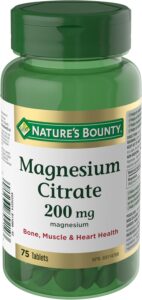
Safety note: Magnesium supplements interact with certain medications (including antibiotics and diuretics) and should be used cautiously by people with kidney disease. Check with your doctor if you’re unsure.
Senna — Effective, But Use It Sparingly
Senna is an FDA-approved stimulant laxative derived from the leaves and pods of the Senna alexandrina plant. It works by stimulating contractions in the colon wall and is typically effective within 6–12 hours.
It works. But it’s not something to use every day. Regular long-term use of stimulant laxatives like senna can lead to dependency — your bowel can become reliant on the stimulant to function. Use it for occasional relief, not as a daily fix.
Aloe Vera Juice
Aloe vera latex (found in the inner leaf) contains compounds called anthraquinones, which have laxative effects. Aloe vera juice made from the inner gel, however, is milder and may help soothe the digestive tract. Look for products labelled “inner fillet” or “decolorized” to avoid the harsh latex components.
The FDA removed aloe laxative products from over-the-counter sale in 2002 due to insufficient safety data on the latex-containing versions, so stick to inner gel products and don’t overdo it.
Lifestyle Tweaks That Make a Real Difference
Remedies work better when your habits support them. These are the changes that compound over time.
Don’t Ignore the Urge
Repeatedly ignoring the urge to have a bowel movement trains your body to ignore the signal. Over time, this weakens the natural reflex and makes constipation worse. When you feel the urge, go. It sounds obvious, but modern life — long commutes, desk jobs, shared bathrooms — makes this harder than it should be.
Squatting Position
The standard Western toilet puts your body at roughly a 90-degree angle, which isn’t ideal for defecation. A squatting position — knees higher than your hips — straightens the anorectal angle and allows stool to pass with less straining. A simple toilet stool like the Squatty Potty Original Toilet Stool mimics this position and has a surprisingly strong body of research behind it.

Morning Routine Matters
Your colon is most active in the morning — especially after you eat. This is called the gastrocolic reflex: eating triggers contractions in the colon. Take advantage of this. Eat breakfast, drink warm liquid, and give yourself time to sit on the toilet without rushing. Your body will start to associate the morning with bowel movements.
Stress and the Gut-Brain Connection
The gut has its own nervous system — often called the “second brain.” Chronic stress directly affects gut motility, and many people notice their constipation worsens during periods of anxiety or high stress. Practices like deep breathing, yoga, and regular sleep all support healthy gut function. It’s not just in your head — it’s literally wired that way.
If you’re exploring broader gut and digestive health alongside natural approaches, it’s worth reading about how herbal approaches to other respiratory and systemic conditions are being researched — the gut-immune connection is an active area of interest.
Quick Comparison: Natural Constipation Remedies at a Glance
| Remedy | How It Works | Onset Time | Best For | Safety Notes |
|---|---|---|---|---|
| Prunes / Prune Juice | Sorbitol + fiber draws water into stool | 12–24 hours | Mild to moderate constipation | Safe; avoid excess in diabetes |
| Psyllium Husk | Bulk-forming; softens stool | 12–72 hours | Ongoing, daily fiber support | Must drink plenty of water |
| Magnesium Citrate | Osmotic; draws water into intestine | 6–12 hours | Occasional relief | Avoid with kidney disease |
| Senna | Stimulant; contracts colon muscles | 6–12 hours | Short-term, occasional use | Risk of dependency if overused |
| Warm Water / Hydration | Softens stool, aids transit | 30 min – a few hours | Prevention + mild cases | Universally safe |
| Kiwi | Fiber + actinidin enzyme | 24–48 hours | Regular dietary addition | Universally safe |
| Probiotics (yogurt, kefir) | Supports gut microbiome | Days to weeks | Long-term gut health | Universally safe |
| Squatty Potty | Improves anorectal angle | Immediate | Straining, incomplete emptying | Universally safe |
Special Situations: Constipation During Pregnancy
Constipation is extremely common during pregnancy — hormonal changes slow digestion, and iron in prenatal vitamins can make things worse. The American College of Obstetricians and Gynecologists (ACOG) recommends increasing dietary fiber, drinking more fluids, and exercising regularly as first-line approaches.
Psyllium husk and dietary changes are generally considered safe. Stimulant laxatives like senna and castor oil should be avoided during pregnancy without medical supervision — they can trigger uterine contractions. Always check with your OB before using any herbal or supplement-based remedy while pregnant.
If you’re navigating other discomforts during pregnancy, there’s solid information available on natural remedies for morning sickness that are also pregnancy-safe.
Constipation in Children — What’s Different
Children’s digestive systems respond differently, and the approach matters. The American Academy of Pediatrics (AAP) recommends increasing fluid intake, fruits (especially prunes and pears), vegetables, and whole grains as the starting point for children with constipation.
Never give adult laxatives to children without medical guidance. Magnesium supplements, senna, and stimulant laxatives all require pediatric dosing and oversight. If dietary changes don’t help within a week or two, speak with your child’s pediatrician.
For parents researching other natural approaches for children, our piece on natural teething remedies covers what’s actually safe and what to skip.
When to See a Doctor
Most constipation is temporary and responds to natural remedies within a few days. But there are situations where you should skip the home fixes and get checked out.
See a doctor if you experience:
- Constipation lasting more than three weeks with no clear cause
- Blood in your stool or on toilet paper
- Unintentional weight loss alongside constipation
- Severe abdominal pain or cramping
- A sudden change in bowel habits that’s new for you
- Constipation alternating with diarrhea (can signal IBS or other conditions)
- No relief after trying multiple remedies consistently
These symptoms can occasionally indicate something more serious — colorectal cancer, thyroid issues, or structural problems in the colon. It’s always better to rule those out early.
The Bottom Line on Natural Constipation Remedies
The most effective approach to natural remedies for constipation is layered — not a single magic fix. Start with hydration and movement. Add fiber-rich foods like prunes and kiwi. Support your gut with probiotics. And if you need something more targeted, psyllium husk and magnesium citrate are the best-evidenced, gentlest options before reaching for anything stronger.
What most people find is that the basics — water, fiber, movement, and not ignoring the urge — solve the problem more reliably than any supplement. The supplements are there when you need a boost. The habits are what keep things running smoothly long term.
Give your body a few days. It usually knows what to do once you stop fighting it.
Frequently Asked Questions
What is the fastest natural remedy for constipation?
Magnesium citrate and warm water with lemon are typically the fastest-acting natural options. Magnesium citrate can produce a bowel movement in 6–12 hours. Warm liquids in the morning activate the gastrocolic reflex and can work within 30 minutes for some people.
How long should constipation last before I worry?
Occasional constipation lasting a day or two is normal. If it persists beyond three weeks, or if you have blood in your stool, unexplained weight loss, or severe pain, see a doctor.
Does drinking more water really help constipation?
Yes — especially if dehydration is part of the cause. Water softens stool and aids transit. Warm water in particular can stimulate digestive motility. It’s one of the simplest and most effective first steps.
Are prunes or prune juice better for constipation?
Both work. Whole prunes give you more fiber; prune juice acts faster because the sorbitol is more concentrated. If you need quicker relief, juice. For ongoing support, whole prunes win on nutritional value.
Is magnesium safe for constipation every day?
Low-dose magnesium (200–400mg) is generally safe for daily use in healthy adults and may have added benefits for sleep and muscle function. However, people with kidney disease or those on certain medications should check with their doctor first, as magnesium can accumulate to unsafe levels if kidneys aren’t clearing it properly.
Can stress cause constipation?
Absolutely. The gut-brain axis is a real, well-documented connection. Chronic stress alters gut motility through the nervous system, and anxiety is a common trigger for constipation and other digestive issues. Managing stress is a legitimate part of managing constipation.
What foods make constipation worse?
Dairy products, red meat, processed foods, fried foods, and refined grains (white bread, white rice) are commonly associated with worsened constipation. Alcohol and caffeine can also contribute by increasing dehydration.
Medical Disclaimer: The information in this article is intended for general informational purposes only and does not constitute medical advice, diagnosis, or treatment. Always seek the advice of your physician or other qualified health provider with any questions you may have regarding a medical condition. Never disregard professional medical advice or delay in seeking it because of something you have read here.