What Is Yarrow and Why Has It Been Used for Thousands of Years?
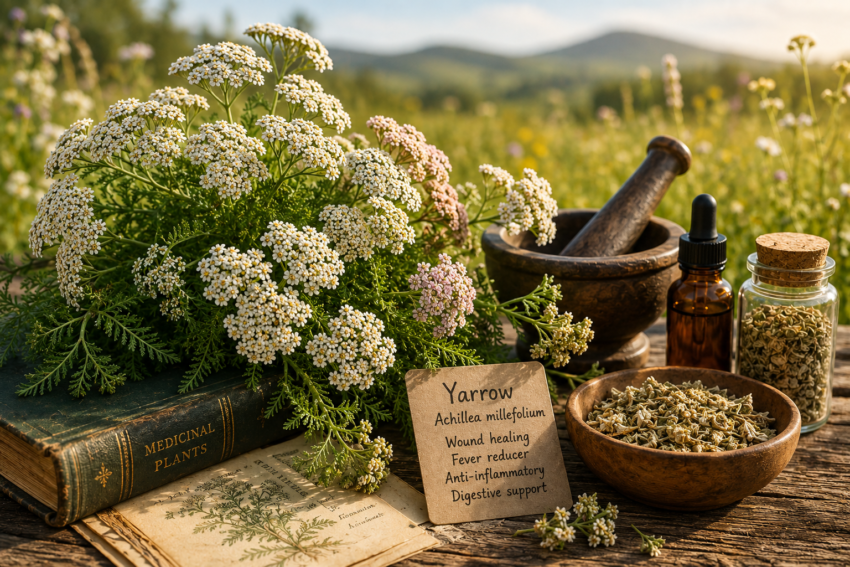
Yarrow (Achillea millefolium) is one of the oldest medicinal plants on record. Its genus name — Achillea — comes from the Greek myth of Achilles, who allegedly used it to staunch the bleeding wounds of his soldiers during the Trojan War. Whether or not the myth is literal, the symbolism is telling: yarrow has been associated with wound healing across virtually every culture that encountered it.
Native American tribes used it for everything from toothaches to fever. Traditional Chinese medicine incorporated it into formulas for bleeding and digestive complaints. European folk medicine used yarrow tea as a standard treatment for colds, fevers, and menstrual problems. It grows wild across North America, Europe, and Asia — a flat-topped cluster of tiny white or pink flowers on feathery, aromatic leaves, found in meadows, roadsides, and disturbed ground.
What’s driving modern interest in yarrow is the same thing driving renewed interest in many traditional plants: the research is starting to catch up with the tradition. Several of yarrow’s historical uses now have mechanistic explanations and some preliminary clinical backing.
The medicinal parts are the aerial portions — flowers, leaves, and stems — harvested when the plant is in bloom. The root is less commonly used.
What Does Yarrow Actually Contain?
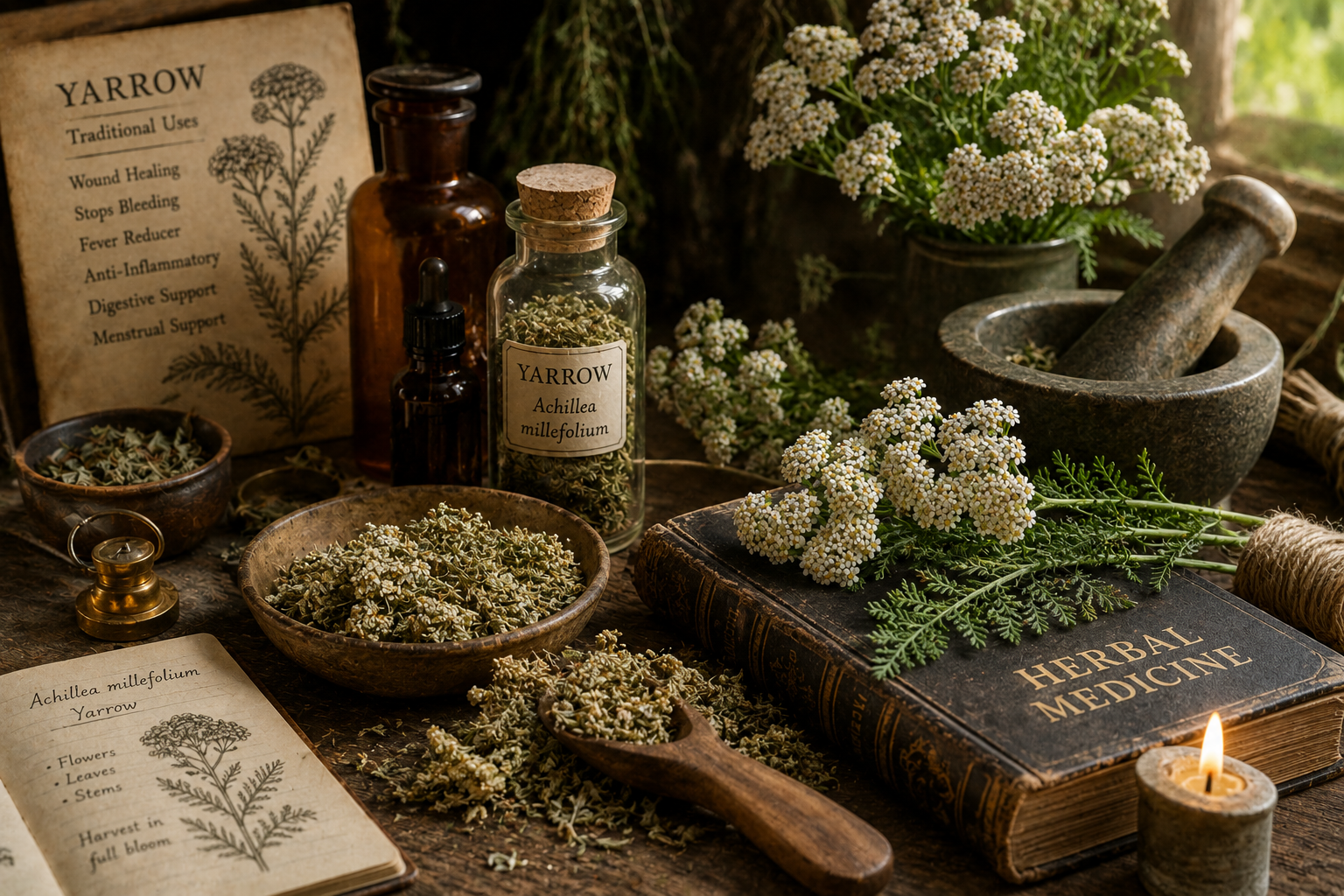
Understanding why yarrow does what it does starts with its chemistry. It’s a biochemically complex plant with several distinct compound classes working in parallel.
Flavonoids — including apigenin, luteolin, and rutin — are responsible for much of yarrow’s anti-inflammatory activity. They inhibit inflammatory enzymes (COX-1 and COX-2) the same way ibuprofen does, though at a much less potent scale.
Achilleïne is an alkaloid unique to yarrow that has demonstrated hemostatic (blood-clotting) activity in animal studies — providing a mechanistic basis for its traditional use in wound care.
Volatile oils — including camphor, borneol, and 1,8-cineole — contribute to yarrow’s antimicrobial and anti-inflammatory properties. The oil composition varies between wild-harvested plants in different regions, which partly explains why research results aren’t always consistent.
Tannins give yarrow astringent properties — they tighten and tone tissue, which is relevant both for wound healing and for its digestive uses.
Sesquiterpene lactones — particularly achillin and achillicin — have shown anti-inflammatory and potentially anticancer activity in laboratory settings.
This combination of compounds explains why yarrow affects multiple body systems simultaneously. It’s not a single-mechanism herb — it’s a whole-plant remedy with overlapping effects.
Yarrow for Wound Healing — Its Most Ancient Use
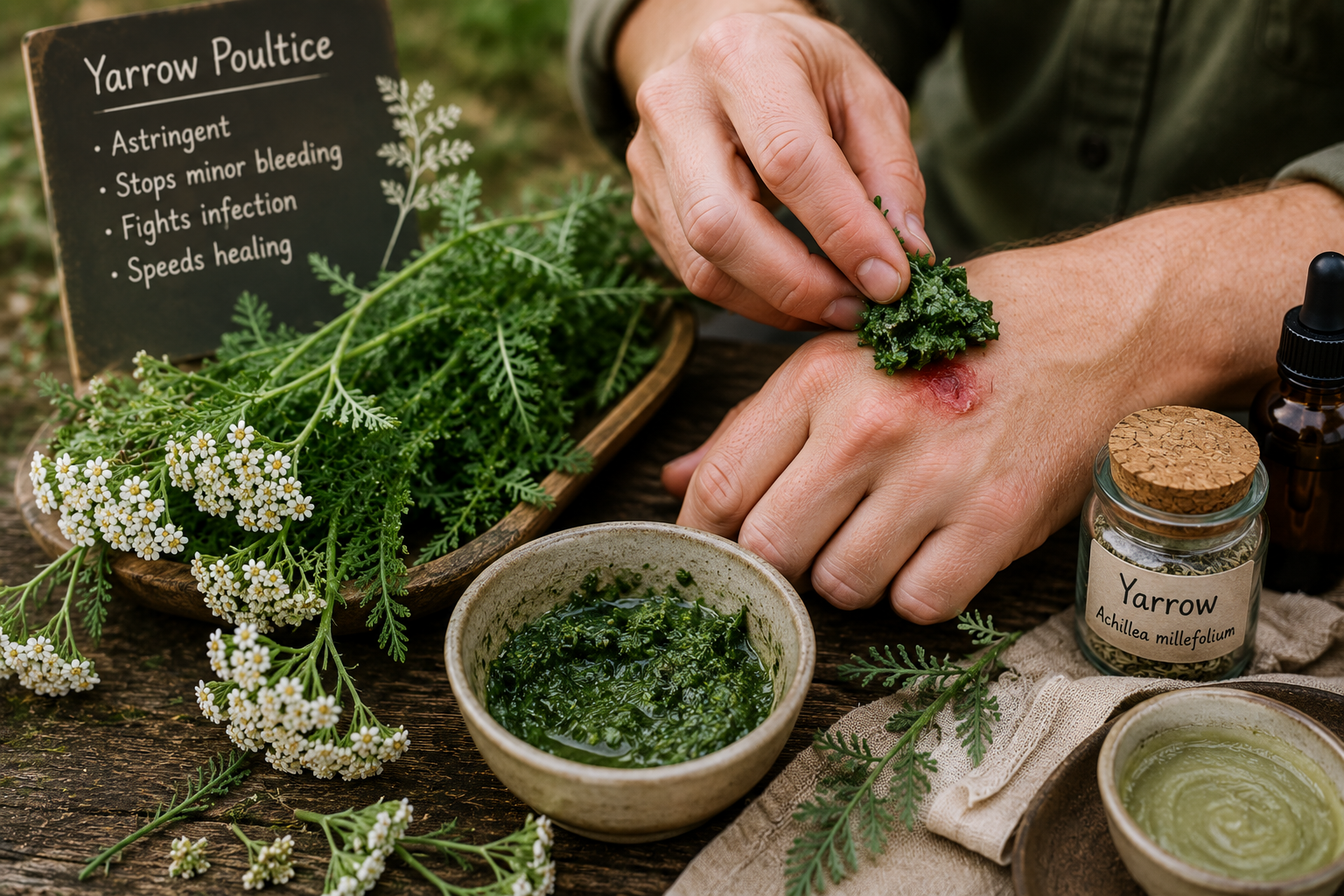
This is the use with the deepest historical roots and the most plausible mechanistic explanation. Yarrow applied to a wound does several things at once: the achilleïne alkaloid promotes clotting, the tannins tighten the tissue and reduce bleeding, and the volatile oils provide antimicrobial protection against bacterial contamination.
Laboratory studies have confirmed antimicrobial activity against Staphylococcus aureus, Escherichia coli, and other common wound pathogens. Animal studies have demonstrated accelerated wound closure with topical yarrow extract compared to controls.
The practical application is simple: fresh yarrow leaves can be bruised between the fingers and applied directly to a minor wound as a field poultice. Dried yarrow powder can be dusted onto a wound. Yarrow-infused oil can be used as a base for healing salves.
This is appropriate for: minor cuts, scrapes, abrasions, and slow-healing skin wounds.
This is not appropriate for: deep wounds, puncture wounds, wounds showing signs of infection, or anything that genuinely needs medical attention. Yarrow first aid is for minor injuries — it’s not a substitute for proper wound care when the situation calls for it.
Safety note for topical use: Some people develop contact dermatitis from yarrow, particularly with the sesquiterpene lactone fraction. If you’re trying it topically for the first time, test a small area first.
Yarrow for Fever — Diaphoretic Action Explained
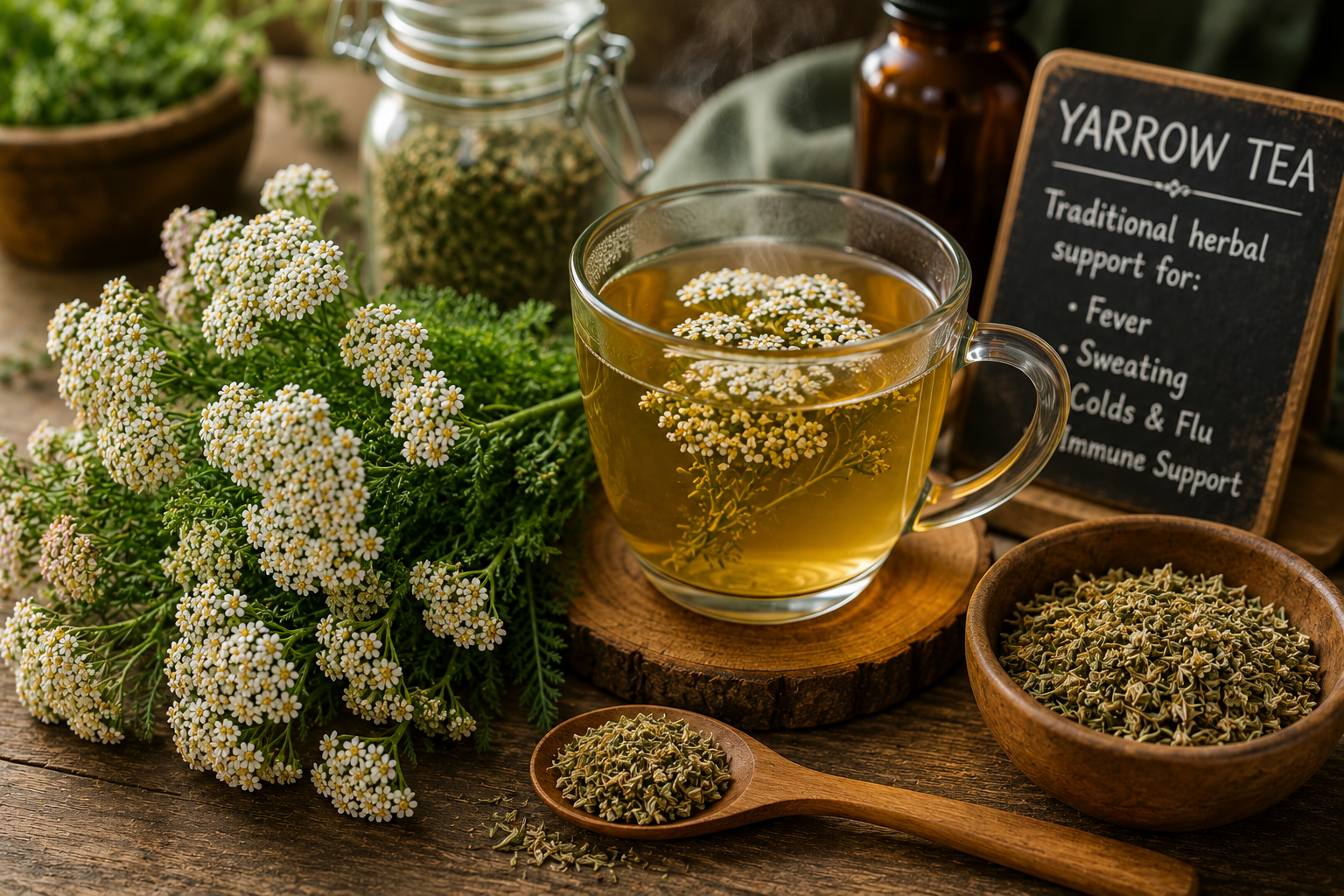
A diaphoretic herb is one that promotes sweating — and sweating is one of the body’s primary mechanisms for reducing fever. Yarrow is one of the most respected diaphoretic herbs in Western herbalism, often combined with elderflower and peppermint for this purpose.
The volatile compounds in yarrow appear to act on the hypothalamus (the body’s thermostat) and promote peripheral vasodilation — widening the blood vessels near the skin surface and encouraging heat dissipation through sweating. It doesn’t suppress fever the way paracetamol or ibuprofen does — it supports the body’s own fever-resolution mechanism.
Traditional use involves drinking a hot cup of yarrow tea at the onset of a fever and staying warm — allowing the sweat to do its work. The tea needs to be taken hot for the diaphoretic effect to work properly.
When this is appropriate: mild fevers in otherwise healthy adults, early-stage colds and flu where a moderate fever is helping the immune response.
When this is not appropriate: high fever (above 39.5°C/103°F), fever in children under 12, fever with rash or neck stiffness, fever lasting more than 3 days, or fever in immunocompromised individuals. These need medical evaluation.
Preparation: Steep 1–2 teaspoons of dried yarrow in 250ml of just-boiled water for 10–15 minutes. Cover while steeping to trap the volatile oils. Drink hot. Repeat every few hours while fever persists.
Yarrow as an Anti-Inflammatory
Yarrow’s flavonoid content — particularly apigenin — has been shown in multiple laboratory studies to inhibit inflammatory pathways, including prostaglandin synthesis and the release of pro-inflammatory cytokines. The sesquiterpene lactones add a second layer of anti-inflammatory activity through different mechanisms.
In practical terms, this anti-inflammatory action underpins many of yarrow’s uses: the relief it provides for menstrual cramping, its use in digestive inflammation, and its role in wound healing all share this common mechanism.
The evidence base is primarily laboratory and animal studies. Robust human clinical trials specifically for yarrow’s anti-inflammatory effects are limited. What exists is mechanistically plausible and consistent with traditional use — but it’s worth being honest that this isn’t the same as a drug trial.
For everyday use, yarrow tea or tincture taken regularly is the most practical way to benefit from these properties. It’s not going to replace prescription anti-inflammatories for severe conditions, but as a gentle, well-tolerated daily support — particularly for people who prefer plant-based options — the case is reasonable.
Yarrow for Digestive Issues
Yarrow is a bitter herb — and bitters have a well-established role in digestive health. The bitter compounds in yarrow stimulate the production of saliva, stomach acid, bile, and pancreatic enzymes through a reflex mechanism involving bitter taste receptors. More digestive secretions means more efficient breakdown and absorption of food.
Beyond the bitter action, yarrow has antispasmodic effects on smooth muscle — the involuntary muscle that lines the digestive tract. This makes it relevant for cramping, bloating, and the kind of spasmodic digestive discomfort associated with irritable bowel syndrome.
Yarrow also has mild astringent properties that can help with mild diarrhea by toning the intestinal mucosa.
How to use it for digestion: A cup of yarrow tea 20–30 minutes before meals stimulates digestive secretions. A tincture taken in a small amount of water works similarly. For cramping and bloating after eating, yarrow tea taken with or after the meal is more appropriate.
Yarrow for Heavy or Painful Periods
Yarrow has a long traditional use as a uterine tonic — an herb that helps regulate and normalize uterine function. It’s been used historically for both excessive menstrual bleeding (menorrhagia) and for painful periods (dysmenorrhea).
The hemostatic action relevant to wound healing applies here too — yarrow may help reduce excessive menstrual blood loss through similar mechanisms. The antispasmodic properties reduce uterine cramping. Several flavonoids in yarrow also have mild estrogen-modulating effects that may contribute to its normalizing action on the menstrual cycle.
The evidence is primarily traditional and observational — human clinical trials specifically for yarrow in menstrual conditions are lacking. But the mechanisms are plausible and the traditional use is consistent across many cultures and centuries.
Important safety note: Yarrow should not be used during pregnancy. It has historically been used as an emmenagogue (a herb that stimulates or increases menstrual flow) and may stimulate uterine contractions. Avoid entirely if pregnant or trying to conceive.
Yarrow’s Antimicrobial Properties
Laboratory studies have tested yarrow extracts against a wide range of bacteria and fungi, with consistent results showing meaningful inhibitory activity. The pathogens tested include Staphylococcus aureus (including some MRSA strains), E. coli, Candida albicans, and various respiratory pathogens.
The antimicrobial activity comes primarily from the volatile oil fraction — camphor, cineole, and related compounds — as well as from the flavonoids and tannins.
Practical applications include topical use for wound infection prevention, use in respiratory infections (yarrow tea drunk to support immune response, or inhaled as steam), and as a general antimicrobial support during illness.
The honest caveat: laboratory antimicrobial activity doesn’t always translate directly to clinical effectiveness. The concentrations needed to inhibit bacteria in a test tube aren’t always achievable in human tissue. The evidence is more supportive for topical applications than for systemic antimicrobial use.
How to Use Yarrow Medicinally
Yarrow Tea
The most accessible preparation. Steep 1–2 teaspoons of dried yarrow (flowers and leaves) in 250ml of just-boiled water for 10–15 minutes with a lid on to retain volatile oils. Strain and drink. Slightly bitter and aromatic — add honey if needed. Drink 2–3 cups per day during acute illness, or 1 cup per day for ongoing digestive or anti-inflammatory support.
Yarrow Tincture
A tincture extracts a broader range of compounds than water-based tea, including the more resinous constituents. Standard dose is 2–4ml (approximately 40–80 drops) in a small amount of water, taken 2–3 times daily. Look for a 1:5 tincture made with 40–60% ethanol for best extraction.
Yarrow Poultice (Topical)
For fresh plant: bruise a handful of fresh yarrow leaves between your palms or chew them briefly, then apply directly to a wound and hold in place. For dried herb: make a strong tea, soak a cloth in it, and apply as a warm compress. Can also be incorporated into salves or creams with a beeswax and oil base.
Yarrow Essential Oil
Used aromatically (diffuser) or diluted in a carrier oil for topical application. Never use internally. Dilute to 1–2% in carrier oil for topical use — yarrow essential oil is potent and can cause skin sensitization if used undiluted or at high concentrations.
Yarrow Capsules and Supplements
Convenient for consistent daily dosing. Look for products standardized to flavonoid content and from brands with third-party testing. Follow manufacturer dosage — typically 500–1,000mg of dried herb equivalent per dose, taken 2–3 times daily.
How to Identify and Harvest Yarrow Safely
Yarrow is identifiable by its flat-topped clusters of tiny white (occasionally pink or yellow) flowers, its feathery finely divided aromatic leaves, and its characteristic sharp camphor-like scent when the leaves are crushed. It grows 30–90cm tall and is common in meadows, roadsides, and disturbed ground across most of North America and Europe.
Dangerous lookalikes — learn these before foraging:
Poison hemlock (Conium maculatum): Also has flat-topped white flower clusters but with smooth, hollow stems often marked with purple blotches. Hemlock lacks yarrow’s distinctive feathery leaves and camphor scent. Hemlock is deadly. If there’s any doubt, do not harvest.
Wild carrot/Queen Anne’s Lace (Daucus carota): Similar flower shape but has hairy stems, a single purple-red flower in the center of the cluster, and smells of carrot. Generally not toxic but can be confused by beginners.
The smell test: Yarrow has a distinctive sharp, slightly medicinal scent when the leaves are crushed. If it doesn’t smell like yarrow, don’t use it.
Harvesting: Harvest when the plant is in full bloom — typically June through September. Cut stems in the upper third of the plant. Harvest from areas free of pesticides, herbicides, and vehicle exhaust. Dry in small bundles hung upside down in a warm, airy space out of direct sunlight. Store dried herb in airtight glass jars away from light.
Yarrow Safety, Side Effects, and Who Should Avoid It
Yarrow is generally well-tolerated by healthy adults at normal doses. But several cautions are worth knowing before using it.
Pregnancy — avoid entirely. Yarrow has emmenagogue and potentially uterotonic effects. It should not be used during pregnancy or when trying to conceive.
Ragweed and daisy family allergies. Yarrow is in the Asteraceae family, which includes ragweed, chamomile, chrysanthemum, and echinacea. If you have confirmed allergies to any of these plants, use yarrow cautiously — cross-reactivity is possible and can cause allergic reactions ranging from skin rash to respiratory symptoms.
Drug interactions:
- Blood thinners (warfarin, aspirin, heparin): yarrow’s hemostatic effects could theoretically interact with anticoagulant therapy — use cautiously and inform your doctor
- Sedative medications: some evidence suggests yarrow may have mild sedative properties — additive effects are possible
- Antihypertensive medications: yarrow may have mild blood pressure-lowering effects
- Lithium: yarrow may affect kidney excretion of lithium — avoid this combination
Photosensitivity. Yarrow essential oil applied to skin can increase UV sensitivity, leading to sunburn or skin discoloration. Avoid direct sun exposure after topical application of yarrow essential oil.
Contact dermatitis. Some people react to direct skin contact with yarrow, particularly fresh plant contact. Test on a small area first before wider topical use.
Children. Yarrow tea in very small amounts is traditionally used for children’s fevers in some herbal traditions, but there is insufficient safety data for formal recommendations. Consult a pediatrician before giving yarrow to children. Never give to infants.
Long-term use. Short-term use (up to 4–6 weeks) is generally considered safe. Long-term continuous use is less well-studied. Take breaks between courses of use — most herbalists suggest 6 weeks on, 2 weeks off.
Frequently Asked Questions
What is yarrow most commonly used for medicinally?
Historically and practically, wound healing is yarrow’s most iconic use — stopping minor bleeding and protecting wounds from infection. Today, the most common uses are for digestive support (as a bitter tonic), fever management, menstrual regulation, and general anti-inflammatory support. Yarrow tea for colds and fever is probably the most widespread current use.
Can you take yarrow every day?
Short-term daily use for up to 4–6 weeks is generally considered safe for healthy adults. Long-term continuous use is less well-studied. Most herbalists recommend periodic breaks — for example, 6 weeks on, 2 weeks off. Always check for interactions with any medications you take.
Does yarrow really stop bleeding?
For minor surface bleeding — yes, there’s both traditional evidence and a plausible mechanism (achilleïne alkaloid promoting clotting, tannins tightening tissue). Applied directly to a minor cut or scrape, bruised fresh yarrow leaves have a documented history of reducing bleeding time. It won’t stop serious bleeding — that needs medical attention.
Is yarrow safe during pregnancy?
No. Yarrow should be avoided during pregnancy entirely. It has historically been used to stimulate menstrual flow and may stimulate uterine contractions. If you are pregnant or trying to conceive, do not use yarrow medicinally in any form.
Can yarrow be used for children?
With caution and in very small amounts, some herbal practitioners use diluted yarrow tea for children’s fevers. However, there is insufficient formal safety data for definitive recommendations. Always consult a pediatrician before giving any herbal supplement to a child. Never give yarrow to infants under 12 months.
Final Thoughts
Yarrow is one of those herbs where the traditional use and the emerging science are pointing in the same direction. The wound-healing, fever-reducing, anti-inflammatory, and digestive applications all have mechanistic explanations grounded in its known chemistry — even if the human clinical trial data remains thinner than we’d like.
The most evidence-backed uses are topical wound care, fever support as a diaphoretic tea, digestive bitter tonic, and menstrual support (in non-pregnant adults). These are also the applications with the longest and most consistent traditional history.
Be honest with yourself about what you’re using it for and what evidence exists. Yarrow is not a replacement for medical care when medical care is genuinely needed. Used appropriately — for the mild, everyday conditions it’s historically been applied to — it’s a safe, effective, and remarkably versatile plant.
This article is for informational purposes only and does not constitute medical advice. Always consult a qualified healthcare provider before starting any herbal supplement, especially if you take prescription medications, are pregnant, or have an existing health condition.
1 thought on “What Is Yarrow Actually Good For? Medicinal Uses Explained”