This post contains affiliate links. If you buy through our links we may earn a small commission — at no extra cost to you. This never influences our recommendations.
This article is for informational purposes only and does not constitute medical advice. Allergic rhinitis can be a symptom of underlying conditions. Always consult a qualified healthcare provider if allergy symptoms are severe, persistent, or affecting your quality of life.
Can Tea Really Help with Allergies?
The honest answer is: some teas, for some symptoms, with genuine biological mechanisms — and others, mostly tradition and wishful thinking. Understanding the difference is what this article is for.
Seasonal allergies — known medically as allergic rhinitis or hay fever — occur when the immune system overreacts to airborne particles like pollen, dust mites, or pet dander. The body releases histamine and other inflammatory mediators, producing the familiar cascade of sneezing, runny nose, itchy eyes, and nasal congestion.
Several herbal compounds found in tea have documented antihistamine, anti-inflammatory, or decongestant properties that directly address one or more of these pathways. They work differently from pharmaceutical antihistamines — generally more slowly, less potently, and without the drowsiness that plagues first-generation antihistamines. For mild-to-moderate allergy symptoms, or as a complementary approach alongside conventional treatment, the best-evidenced teas offer genuine and measurable benefit.
This article ranks them honestly by evidence quality, with clear notes on what each tea actually does — and what it doesn’t.
When to See a Doctor First
Tea for allergies works best as a complementary approach. See a doctor if:
- Allergy symptoms are severe enough to disrupt sleep, work, or daily activities
- Symptoms don’t improve with natural approaches after 2–3 weeks
- You experience wheezing, shortness of breath, or chest tightness alongside allergy symptoms (possible asthma)
- You’re considering immunotherapy (allergy shots or sublingual drops) — the most effective long-term treatment for allergic rhinitis
- You’re pregnant — some herbal teas are contraindicated in pregnancy
- You’re taking medications that may interact with herbal compounds (blood thinners, diabetes medications, immunosuppressants)
How Allergy Teas Actually Work — The Mechanisms
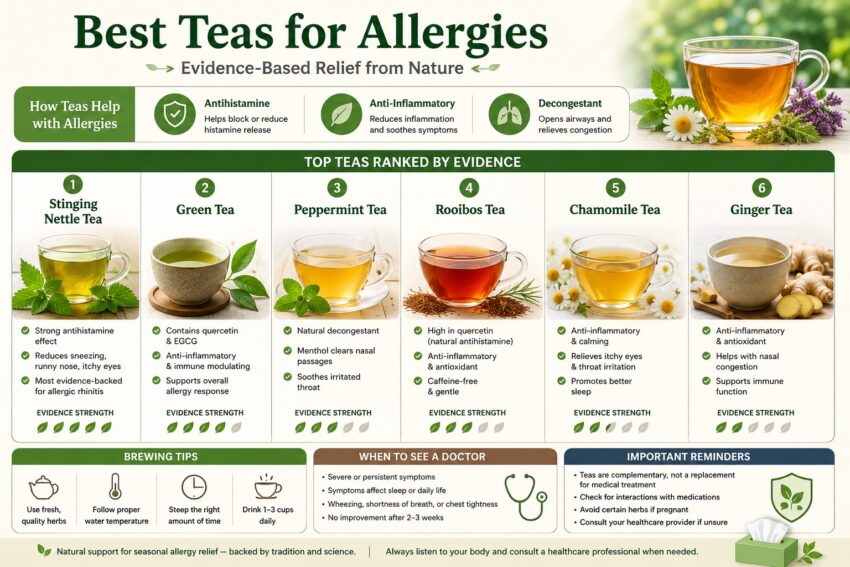
The teas with the strongest evidence work through one or more of three pathways:
Antihistamine activity — blocking or reducing histamine release, the primary mediator of allergy symptoms. Quercetin, found in nettle leaf and rooibos, is the most studied natural histamine-blocking compound.
Anti-inflammatory activity — reducing the broader inflammatory response that amplifies allergy symptoms. EGCG in green tea and gingerols in ginger both work this way.
Decongestant / bronchodilator activity — opening nasal passages and airways. Menthol in peppermint acts on cold receptors in the nasal mucosa, producing the sensation of clearer breathing and reducing nasal resistance.
Best Teas for Allergies — Ranked by Evidence
1. Stinging Nettle Tea — The Most Evidence-Backed Option
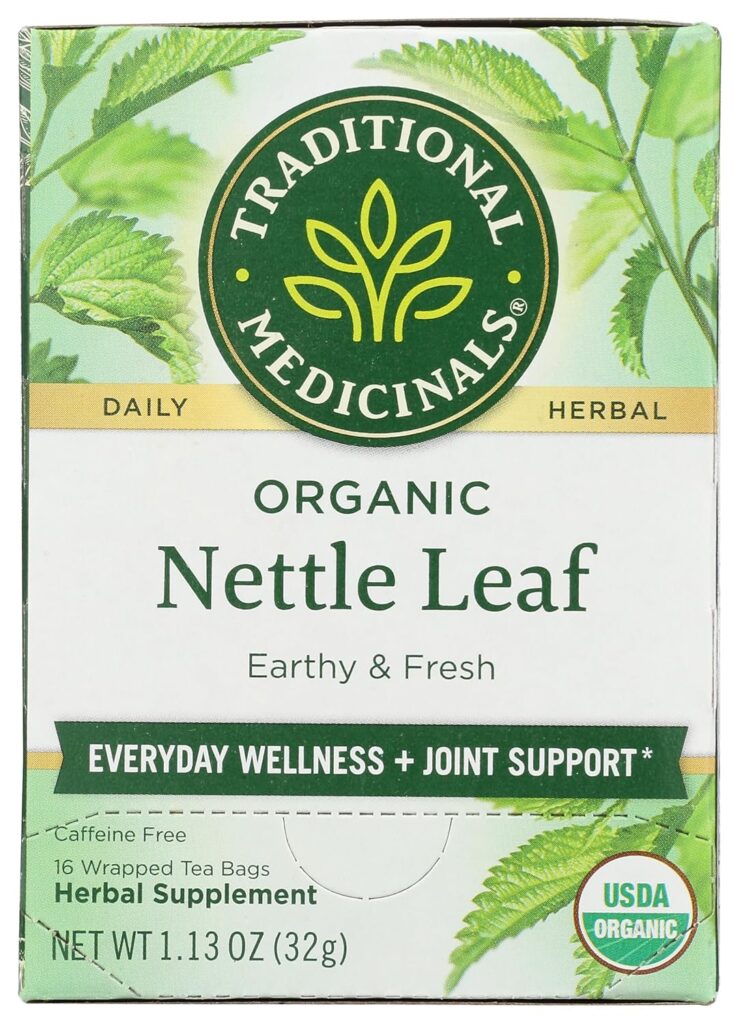
Stinging nettle (Urtica dioica) has the strongest clinical evidence specifically for allergic rhinitis — earning its reputation as “nature’s antihistamine” through genuine science, not just tradition. A randomised, double-blind study published in Planta Medica found freeze-dried nettle leaf significantly reduced allergy symptoms compared to placebo, with 58% of participants rating it moderately to highly effective.
The mechanism is well-characterised: nettle inhibits several key enzymes involved in the inflammatory cascade of allergic rhinitis, including prostaglandin formation and histamine release. Its active compounds include quercetin (a natural flavonoid that inhibits histamine release from mast cells), carotenoids, and vitamins C and K. This is not herbal folklore — it’s documented pharmacology.
How to brew: Steep 1–2 teaspoons of dried nettle leaf (or one tea bag) in freshly boiled water for 5–10 minutes. Cover while steeping to retain volatile compounds. Drink 2–3 cups daily during allergy season, beginning 2–4 weeks before peak pollen for preventive benefit.
Safety: Generally safe. Avoid during pregnancy (may stimulate uterine contractions). May interact with diabetes medications. People with known hypersensitivity to nettle plants should not use it.
Recommended product: Traditional Medicinals Organic Nettle Leaf Tea — USDA Organic, Non-GMO Verified, Certified B Corp, compostable bags. The most reputable herbal tea brand available on Amazon.
2. Green Tea — Quercetin and EGCG for Immune Modulation
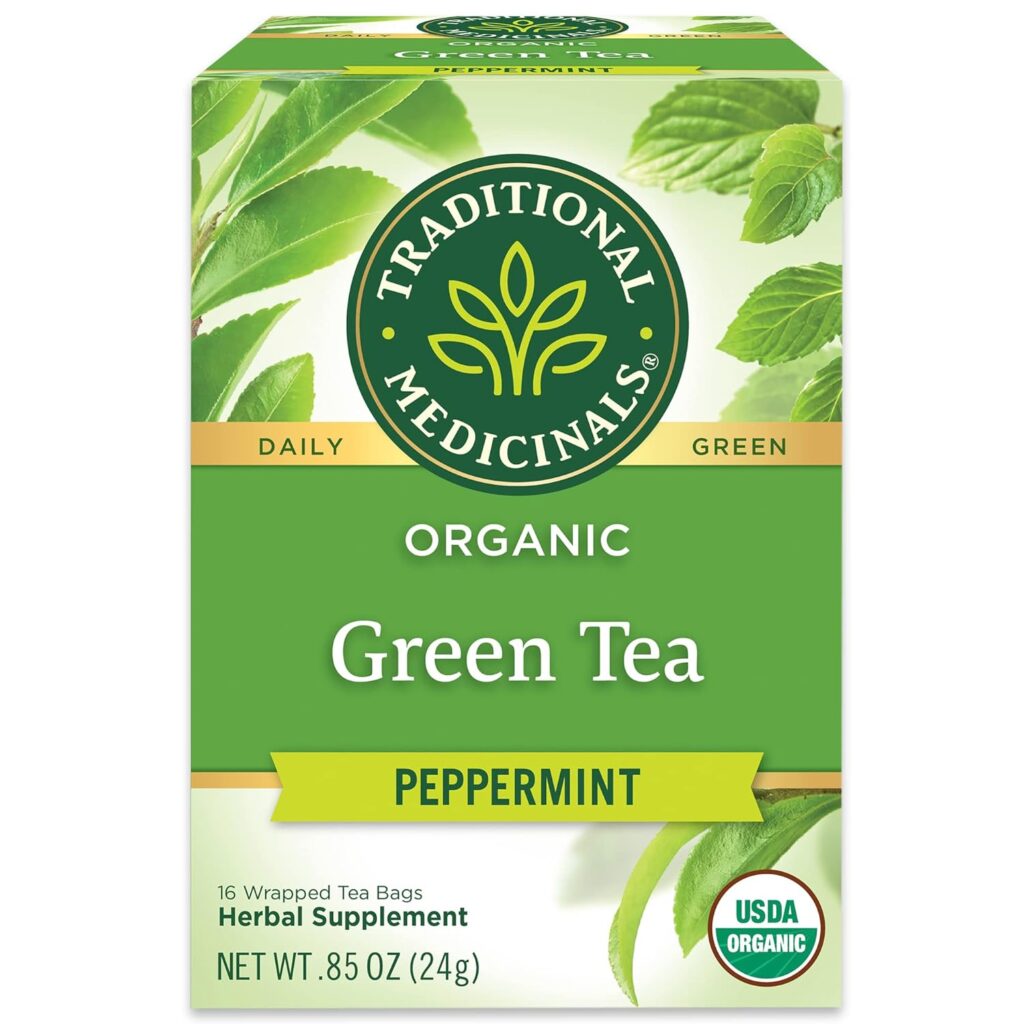
Green tea (Camellia sinensis) contains two compounds directly relevant to allergy relief: quercetin (the same histamine-stabilising flavonoid found in nettle) and epigallocatechin gallate (EGCG), one of the most potent anti-inflammatory antioxidants in the plant kingdom. Green tea contains powerful antioxidants called catechins, which can help modulate immune responses and reduce inflammation. It also contains quercetin, a natural antihistamine that helps block histamines and prevent allergic reactions.
Japanese Benifuuki green tea deserves specific mention — it contains methylated catechins that have shown particularly strong antihistamine effects in clinical studies specific to hay fever. Standard high-quality green tea provides meaningful quercetin and EGCG content for everyday allergy management.
How to brew: Steep in water at 75–80°C (not boiling — boiling water makes green tea bitter and degrades catechins) for 2–3 minutes. For stronger therapeutic benefit, steep slightly longer at a lower temperature.
Safety: Contains caffeine (25–40mg per cup) — not appropriate for evening use or for those avoiding caffeine. At normal tea consumption, no significant safety concerns.
Recommended product: Traditional Medicinals Organic Green Tea Peppermint — combines green tea’s EGCG with peppermint’s menthol for both anti-inflammatory effect and decongestant benefit. USDA Organic, Non-GMO.
3. Peppermint Tea — Best for Nasal Congestion and Sinus Pressure
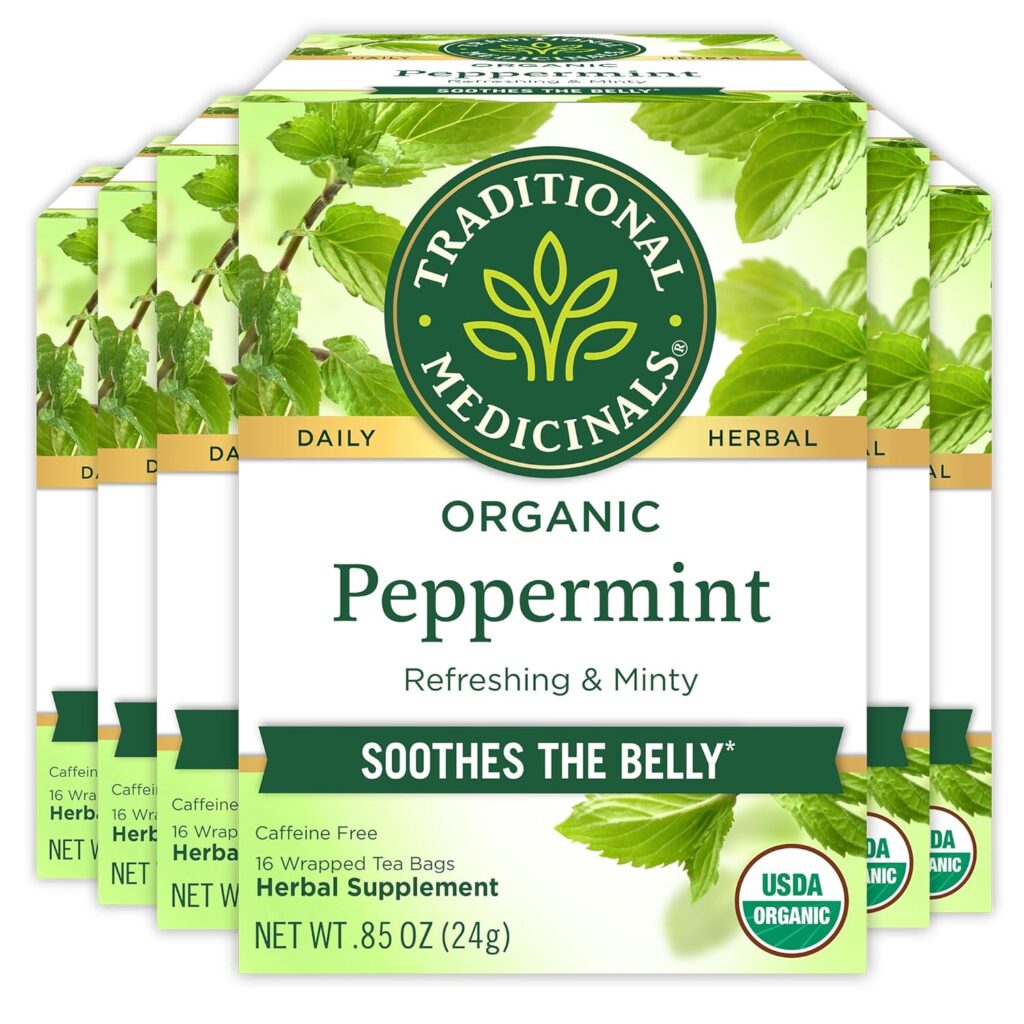
Peppermint works through a fundamentally different mechanism from nettle or green tea — not antihistamine activity, but direct decongestant and anti-inflammatory action in the upper respiratory tract. Peppermint (Mentha piperita) is a natural decongestant whose menthol opens nasal passages and clears sinus congestion. It also has anti-inflammatory and antimicrobial properties, making it a great choice for respiratory relief.
The menthol in peppermint activates cold receptors (TRPM8) in the nasal mucosa — reducing nasal congestion and improving perceived airflow. It also has an antispasmodic effect on bronchial smooth muscle, reducing the coughing and throat irritation that accompany allergy-related post-nasal drip. Sinus headache and pressure — the least-addressed allergy symptoms in most treatments — respond particularly well to peppermint’s vasodilatory and decongestant effects.
How to brew: Steep a peppermint tea bag in freshly boiled water for 5–10 minutes. Inhale the steam while steeping — menthol vapour provides additional decongestant benefit beyond the tea itself. Drink 2–3 cups daily during symptomatic periods.
Safety: Avoid in people with GERD or acid reflux — peppermint relaxes the lower oesophageal sphincter and can worsen reflux. Avoid near the face of infants and young children. Generally safe for adults.
Recommended product: Traditional Medicinals Organic Peppermint Tea — pure peppermint leaf, caffeine-free, USDA Organic.
4. Rooibos Tea — Quercetin and Antioxidants, Caffeine-Free
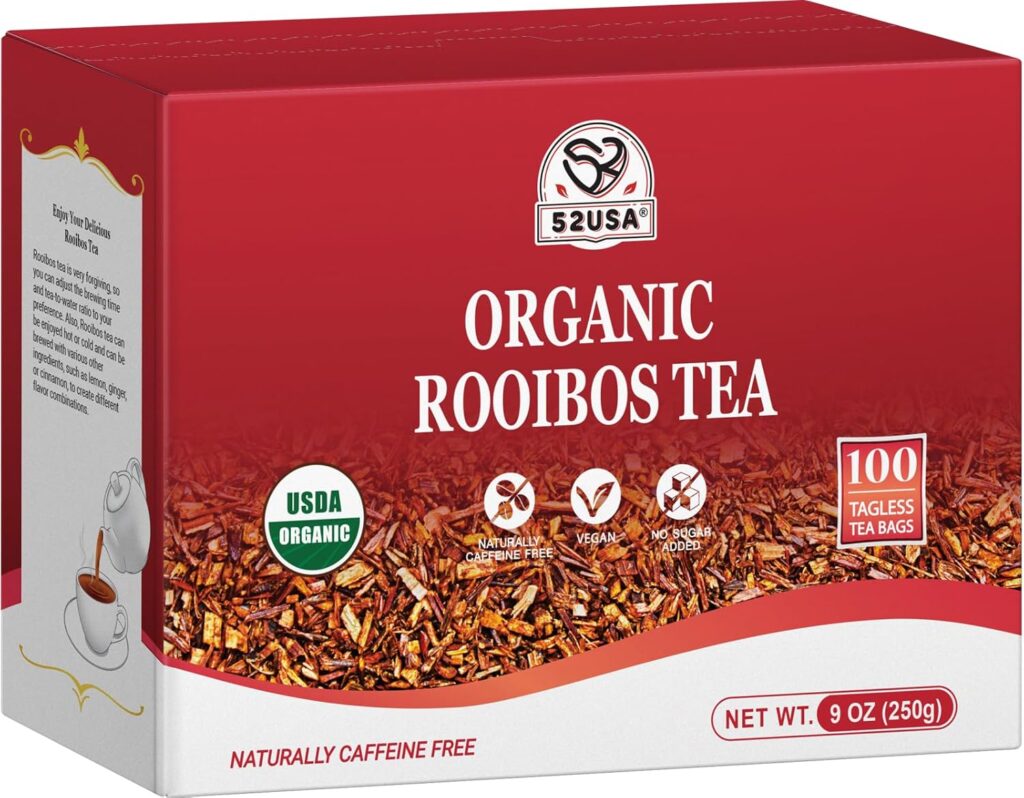
Rooibos (Aspalathus linearis), the South African red bush tea, is caffeine-free and rich in quercetin and aspalathin — both directly relevant to allergy relief. Rooibos tea contains bioflavonoids like rutin and quercetin that effectively reduce inflammation and block histamine release, making it excellent for allergy-related skin irritations as well as respiratory symptoms. Its caffeine-free nature makes it appropriate for all-day and evening allergy management when green tea isn’t suitable.
The honest caveat: the clinical evidence for rooibos specifically for allergic rhinitis is less robust than for nettle. Most research is on its antioxidant properties broadly. However, the quercetin content is real, the safety profile is outstanding, and it’s pleasant enough to drink throughout the day — making it a practical choice for consistent quercetin intake.
How to brew: Steep in freshly boiled water for 5–7 minutes. Rooibos is forgiving — longer steeping doesn’t make it bitter. Naturally sweet and earthy, pleasant without additives.
Safety: Outstanding safety profile. Caffeine-free, suitable for all ages, safe during pregnancy in normal dietary amounts. No significant known drug interactions.
Recommended product: 52USA Rooibos Tea Organic — 100 bags of pure South African rooibos, USDA Organic certified. The best value for a daily-use supply.
5. Ginger Tea — Anti-Inflammatory and Mast Cell Stabilising
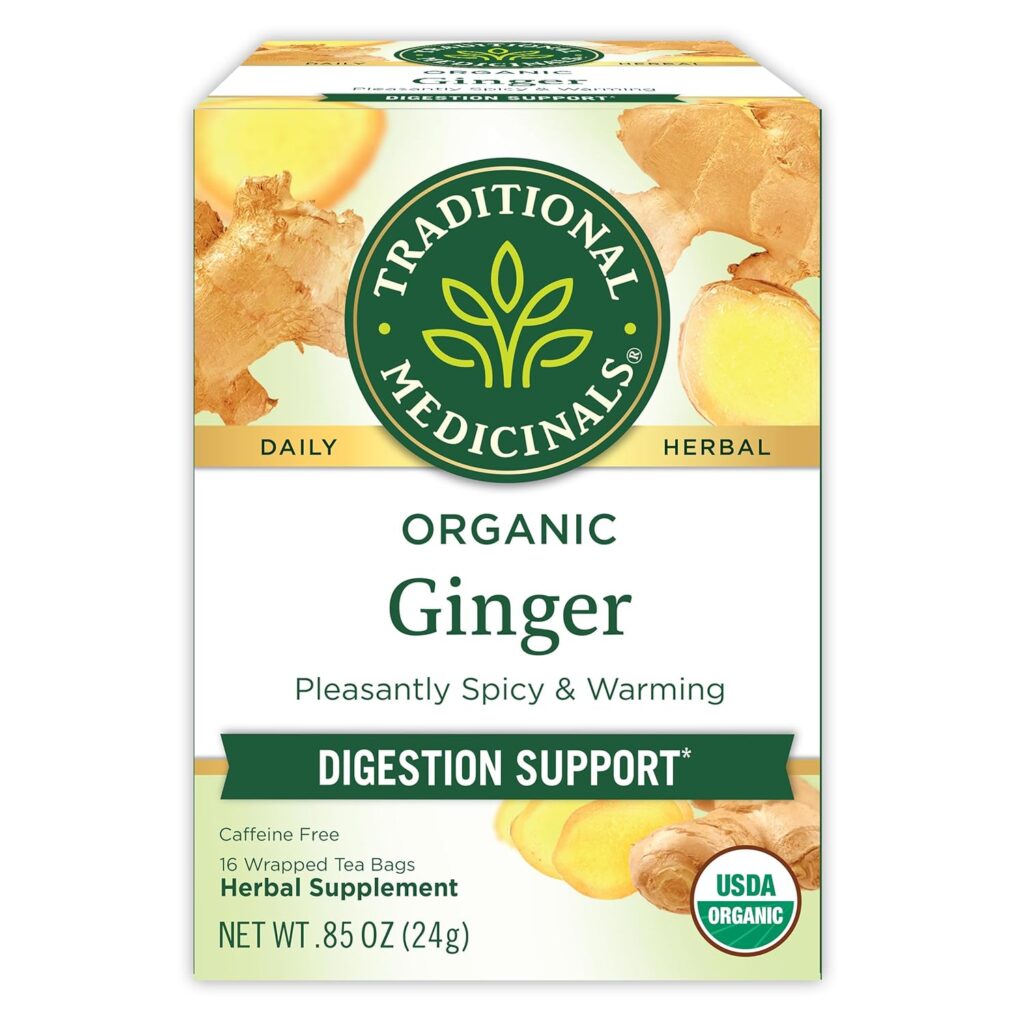
Ginger (Zingiber officinale) has well-documented anti-inflammatory properties through its active gingerols and shogaols — and emerging evidence specifically for allergy-related inflammation. A study published in the Journal of Ethnopharmacology found ginger suppressed the expression of multiple pro-inflammatory cytokines involved in allergic responses, including IL-4, IL-5, and IL-13 — the signalling molecules that drive the eosinophilic inflammation characteristic of allergic rhinitis. Separate research found ginger compounds stabilise mast cells, the immune cells that release histamine during an allergic response.
Ginger also provides antinausea benefit — useful for the nausea that some people experience during severe allergy episodes or as a side effect of antihistamine medications.
How to brew: Slice 1–2 inches of fresh ginger root, steep in boiling water for 10 minutes, strain. Or use a quality ginger tea bag. Add raw honey and lemon for additional soothing effect. Drink 2–3 cups daily.
Safety: Safe at culinary doses. May have mild anticoagulant properties at high doses — caution with blood thinners.
6. Mullein Leaf Tea — Best for Respiratory Congestion and Mucus
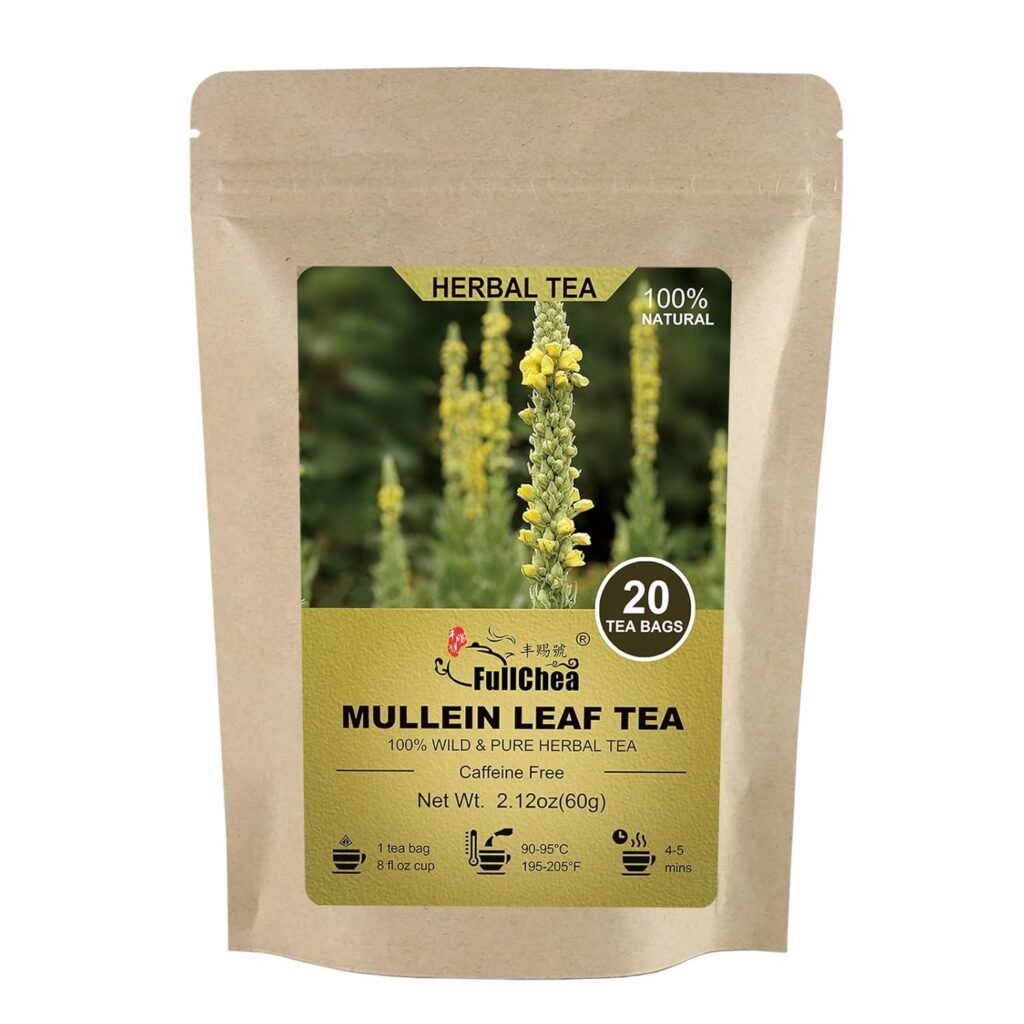
Mullein (Verbascum thapsus) is not specifically an antihistamine but earns its place for its well-established role as a respiratory expectorant. Mullein leaf is a traditional herbal remedy for respiratory health, acting as a natural expectorant to clear mucus and reduce lung inflammation. Its anti-inflammatory compounds soothe irritated airways, making it ideal specifically for hay fever and sinus congestion where thick mucus is the primary complaint.
For allergy sufferers whose primary symptoms are congestion, thick mucus, and post-nasal drip rather than sneezing and itching, mullein addresses what antihistamine teas don’t target as directly.
How to brew: Steep 1–2 teaspoons of dried mullein leaves in boiling water for 10–15 minutes. Strain thoroughly through a fine mesh or coffee filter — the tiny leaf hairs can irritate the throat if not properly strained. Add honey if desired.
Safety: Generally safe. Strain carefully to remove leaf hairs. Use with caution in pregnancy (limited study data).
Recommended product: FullChea Mullein Leaf Tea Bags — pre-bagged for convenience, eliminating the straining issue. Non-GMO, caffeine-free.
Teas With Limited Evidence — Setting Honest Expectations
Chamomile — widely recommended for allergy relief, but with an important caveat. Chamomile is in the Asteraceae (daisy) family — the same plant family as ragweed, one of the most common allergy triggers. People with ragweed allergy have a meaningful cross-reactivity risk with chamomile that can worsen rather than relieve allergy symptoms. If you’re allergic to ragweed, avoid chamomile during allergy season.
Butterbur — genuinely strong clinical evidence (some studies show efficacy comparable to cetirizine / Zyrtec), but practically impossible to find as a commercial tea. Raw butterbur also contains pyrrolizidine alkaloids that can cause liver damage — only PA-free butterbur supplements are safe for use. The supplement form is the appropriate vehicle for its clinical benefits, not tea.
Licorice root — some anti-inflammatory and bronchodilating properties, but standard licorice root at high doses raises blood pressure and depletes potassium. Not appropriate as a daily allergy tea for most people.
Turmeric tea — curcumin has anti-inflammatory properties but poor bioavailability when taken as a plain tea without black pepper (piperine) to enhance absorption. More effective as a golden milk preparation with fat and black pepper.
How to Get the Most From Allergy Tea
Start before allergy season begins. The antihistamine and anti-inflammatory effects of nettle and green tea are cumulative — they work better as a consistent preventive than as an acute rescue treatment. Beginning 2–4 weeks before your typical allergy season provides meaningful immune modulation before pollen loads peak.
Drink 2–3 cups daily during symptomatic periods. The quercetin in nettle and rooibos has a relatively short half-life — regular intake is more effective than sporadic large doses.
Brew covered. Covering the tea while it steeps retains volatile aromatic compounds — particularly menthol from peppermint — that contribute to therapeutic effect. Many people skip this step and lose meaningful active benefit.
Add local raw honey. Raw honey — particularly local honey — contains trace amounts of local pollen that may support gradual immune tolerance. The evidence is preliminary but plausible, and raw honey also provides anti-inflammatory compounds. Avoid giving honey to children under 1 year old.
Combine complementary teas. Nettle + peppermint addresses both histamine (nettle) and congestion (peppermint). Green tea in the morning for EGCG and a gentle caffeine lift, rooibos in the afternoon and evening for caffeine-free quercetin. See our herbal tea guide for more on combining herbs effectively.
Steam while you brew. Particularly for peppermint and ginger — lean over the mug while it steeps and breathe the steam. The menthol and gingerol vapours provide immediate decongestant relief independently of the tea’s systemic effects.
Tea for Specific Allergy Symptoms — Quick Reference
| Primary Symptom | Best Tea | Why |
|---|---|---|
| Sneezing, runny nose | Nettle leaf | Blocks histamine release at source |
| Nasal congestion / sinus pressure | Peppermint | Menthol opens nasal passages |
| Itchy eyes, skin reactions | Rooibos | Quercetin stabilises mast cells |
| Cough and mucus / post-nasal drip | Mullein leaf | Expectorant, clears airways |
| General inflammation | Green tea | EGCG + quercetin, immune modulation |
| Nausea with allergies | Ginger | Anti-inflammatory + antinausea |
| Nighttime allergy symptoms | Rooibos | Caffeine-free, safe before bed |
| All-day general maintenance | Nettle or rooibos | Best systemic antihistamine evidence |
Frequently Asked Questions
What is the best tea for seasonal allergies?
Nettle leaf tea has the strongest clinical evidence specifically for allergic rhinitis — a randomised double-blind trial found freeze-dried nettle leaf significantly reduced symptoms compared to placebo, with 58% of participants rating it moderately to highly effective. For comprehensive coverage, combining nettle leaf (antihistamine) with peppermint (decongestant) addresses the two most common allergy symptom clusters. Traditional Medicinals Organic Nettle Leaf is the recommended starting product.
Does tea really help with allergies?
Some teas, for some symptoms, with genuine mechanisms — others, mostly tradition. Nettle leaf, green tea, peppermint, and rooibos all have documented compounds (quercetin, EGCG, menthol) that work through established biological pathways relevant to allergic rhinitis. They’re not as potent as pharmaceutical antihistamines but provide meaningful symptom relief with a far lower side-effect profile.
What tea is good for hay fever specifically?
Hay fever from pollen responds best to antihistamine-active teas: nettle leaf (the most evidence-backed), rooibos (quercetin-rich, caffeine-free for all-day use), and green tea (EGCG + quercetin). Japanese Benifuuki green tea has specific clinical evidence for pollen hay fever. Begin drinking 2–4 weeks before your typical pollen season for preventive benefit rather than waiting until symptoms appear.
Can I drink allergy tea while taking antihistamine medication?
Generally yes — herbal teas at normal consumption levels don’t significantly interact with standard antihistamines (cetirizine, loratadine, fexofenadine). The exception: avoid large amounts of nettle leaf tea if you’re taking blood thinners or diabetes medications. Always disclose herbal tea use to your prescribing doctor if you’re on regular medication.
How long does it take for allergy tea to work?
Peppermint provides near-immediate decongestant relief within minutes from menthol vapour during brewing. The systemic antihistamine effects of nettle and quercetin-containing teas build over 1–2 weeks of regular use — these are preventive and cumulative rather than acute-relief treatments. For immediate allergy symptom rescue, pharmaceutical antihistamines are more appropriate; for ongoing daily management, tea is a practical complementary approach.
Is chamomile tea good for allergies?
With an important caveat: chamomile is in the Asteraceae family — the same plant family as ragweed. People with ragweed allergy have a meaningful cross-reactivity risk with chamomile that can trigger rather than relieve allergy symptoms. If you’re allergic to ragweed, avoid chamomile during allergy season. For those without ragweed sensitivity, chamomile provides mild anti-inflammatory benefit but weaker antihistamine activity than nettle or green tea.
Final Thoughts
Tea is not a replacement for proper allergy management — but for the millions of people managing mild-to-moderate seasonal allergies, the right herbal teas provide genuine, evidence-backed relief as part of a broader approach.
Start with nettle leaf for the strongest antihistamine evidence. Add peppermint for congestion. Drink rooibos through the evening when caffeine isn’t appropriate. Use green tea in the morning for EGCG and a gentle caffeine lift. Begin 2–4 weeks before your pollen season for best preventive effect.
And if symptoms are severe enough to affect your quality of life — immunotherapy (allergy shots or sublingual drops) remains the only treatment that addresses the underlying allergy rather than managing symptoms. Tea makes the journey more comfortable; immunotherapy changes the destination.
This article is for informational purposes only and does not constitute medical advice. Always consult a qualified healthcare provider if allergy symptoms are severe, persistent, or accompanied by respiratory distress.