This post contains affiliate links. If you buy through our links we may earn a small commission — at no extra cost to you. This never influences our recommendations.
This article is for informational purposes only and does not constitute medical advice. Depression is a serious medical condition requiring professional evaluation and care. Natural remedies discussed here are not replacements for evidence-based treatments. If you are experiencing depression, please consult a qualified healthcare provider. If you are in crisis or having thoughts of self-harm, call or text the 988 Suicide and Crisis Lifeline immediately.
Depression Requires Professional Support — Please Read This First
This article covers herbal remedies with clinical evidence for supporting mood in mild to moderate depression. Before continuing, a direct statement is necessary: depression is not a condition to self-treat with supplements alone. It is a medical condition with effective, well-evidenced treatments — psychotherapy (particularly Cognitive Behavioural Therapy), antidepressant medications where appropriate, and lifestyle interventions.
Seek professional evaluation if:
- You have felt persistently low, empty, or hopeless for two or more weeks
- You have lost interest in activities you previously enjoyed
- Depression is affecting your ability to work, maintain relationships, or care for yourself
- You are experiencing thoughts of death or self-harm — please call or text 988 immediately
- You have been self-managing with supplements for more than 4–6 weeks without meaningful improvement
- Depression is accompanied by psychotic symptoms, severe sleep disruption, or significant weight change
Herbal remedies are appropriate as complementary support for mild depressive symptoms, or as part of a broader treatment plan under medical guidance. For moderate to severe depression, they work alongside professional treatment — not instead of it.
Understanding Depression — The Biology That Natural Remedies Target
Depression involves disrupted signalling across multiple neurochemical systems — which is why no single treatment works for everyone, and why combining approaches targeting different mechanisms is often more effective.
Monoaminergic signalling — serotonin, dopamine, and norepinephrine regulate mood, motivation, and energy. Most antidepressant medications (SSRIs, SNRIs) increase the availability of these neurotransmitters. St John’s Wort works through the same pathways — which is both why it is effective and why it interacts with SSRIs.
HPA axis dysregulation — chronic cortisol elevation from long-term stress directly contributes to depression through hippocampal damage, sleep disruption, and inflammatory signalling. Adaptogens like ashwagandha and rhodiola work primarily here — buffering the stress response that feeds depressive episodes.
Neuroinflammation — inflammatory cytokines (IL-6, TNF-α) are elevated in depression and may directly contribute to low mood, fatigue, and cognitive impairment. Omega-3 fatty acids, curcumin, and saffron have anti-inflammatory properties relevant to this pathway.
Neurotrophic support — BDNF (brain-derived neurotrophic factor) promotes neuronal growth and plasticity. Depression is associated with reduced BDNF; exercise is the most potent natural BDNF enhancer. Rhodiola and ashwagandha also support BDNF pathways.
Herbal Remedies for Depression — Ranked by Evidence
1. St John’s Wort — The Strongest Clinical Evidence
St John’s Wort (Hypericum perforatum) is the most evidence-backed herbal treatment for depression — with 27 clinical trials involving 3,808 subjects in the latest meta-analysis concluding it is comparable in efficacy to SSRIs but with fewer side effects. The Canadian Network for Mood and Anxiety Treatments (CANMAT) guidelines recommend St. John’s Wort as a first-line treatment for mild depression among herbal remedies.
The active compounds — hypericin and hyperforin — work through multiple mechanisms: inhibiting reuptake of serotonin, dopamine, and norepinephrine (similar to SSRIs and SNRIs), modulating GABA and glutamate receptors, and reducing inflammatory cytokines. This multi-mechanism action may explain its broadly effective profile.
⚠️ The critical drug interaction warning — please read carefully:
St. John’s Wort significantly affects drug metabolism by inducing the Cytochrome P450 enzyme system (particularly CYP3A4), altering the metabolism of numerous medications:
- SSRIs, SNRIs, MAOIs: Risk of serotonin syndrome — a potentially life-threatening condition. Never combine.
- Oral contraceptives: Reduces contraceptive effectiveness — breakthrough bleeding and unintended pregnancy have been documented.
- Antiretrovirals (HIV medications): Significantly reduces drug levels — risk of treatment failure.
- Warfarin and blood thinners: Reduces anticoagulant effect — potential for dangerous clotting.
- Cyclosporine (transplant medication): Significantly reduces levels — risk of organ rejection.
- Chemotherapy drugs: Reduces efficacy of multiple cancer medications.
If you are taking any regular prescription medication, do not take St John’s Wort without first reviewing the interaction risk with your pharmacist or prescribing doctor. This is not a precautionary caveat but a documented clinical concern.
How to use: 300mg of standardised extract (0.3% hypericin) three times daily — 900mg total, the dose used in most clinical trials. Allow 4–6 weeks for full antidepressant effect. Use products standardised for hypericin content.
Safety: Well-tolerated in clinical trials. Main adverse effects: photosensitivity (avoid prolonged sun exposure), mild GI symptoms. Not recommended during pregnancy or breastfeeding. Drug interaction profile is the primary concern.
2. Saffron (Crocus sativus) — The Most Exciting Emerging Evidence
Saffron is the natural antidepressant with the most rapidly growing evidence base. Among 209 trials screened in a major scoping review (Frontiers in Pharmacology, 2025), the largest volume of evidence was for omega-3s, St John’s Wort, saffron, probiotics, and vitamin D — placing saffron firmly in the evidence tier. Multiple randomised controlled trials have found saffron extract at 30mg/day comparable to fluoxetine (Prozac) for mild to moderate depression.
The active compounds — crocin, crocetin, and safranal — modulate serotonin, dopamine, and norepinephrine reuptake, inhibit inflammatory pathways, and have antioxidant properties relevant to neuroinflammation in depression. A 2026 Frontiers in Nutrition review confirmed that the combination of rhodiola and saffron can effectively ameliorate depressive symptoms in adults with moderate depression. CANMAT guidelines list saffron as a third-line option for mild depression.
Why saffron quality matters enormously: Saffron’s high economic value makes it susceptible to adulteration. Only purchase products standardised to crocin and safranal content from brands with third-party testing. Affron® is the most researched standardised saffron extract, used in multiple published clinical trials.
How to use: 30mg of standardised saffron extract daily. Allow 6–8 weeks for full effect.
Safety: Well absorbed, with only mild dyspepsia or headache reported in studies. Generally well-tolerated at 30mg/day. Avoid during pregnancy — may stimulate uterine contractions. Much cleaner drug interaction profile than St John’s Wort.
Recommended products:
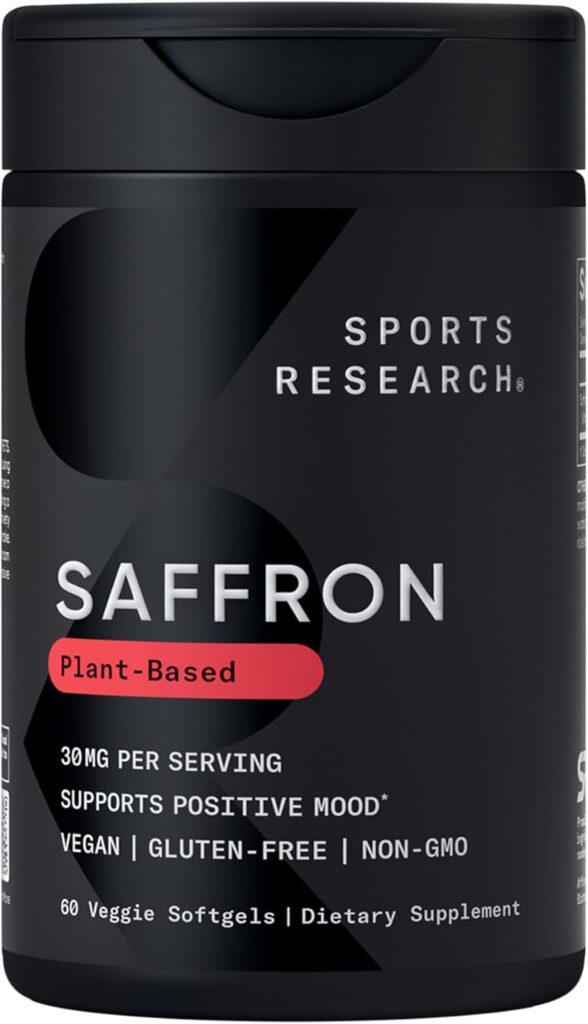
- Sports Research Pure Saffron 30mg (Affron® extract, vegan, non-GMO, 60 softgels) — uses the clinically studied Affron® form, third-party tested
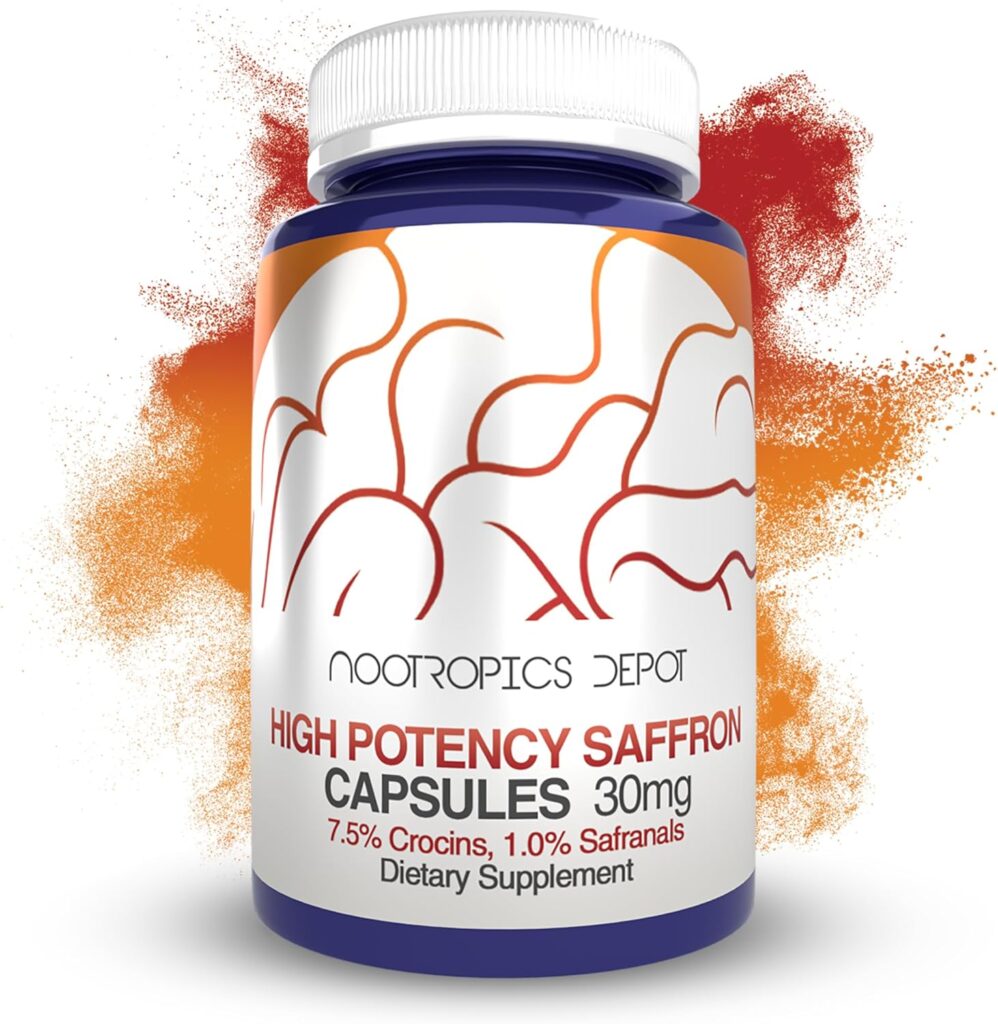
- Nootropics Depot High Potency Saffron Extract 30mg — standardised to minimum 7.5% crocins and 1% safranals, third-party tested, excellent value for quality
3. Rhodiola Rosea — Best for Depression With Fatigue and Burnout
Rhodiola rosea has a specific profile making it particularly valuable for a very common presentation: low mood combined with fatigue, exhaustion, and cognitive fog — often called burnout or stress-induced depression. A PubMed systematic review identified rhodiola as one of the phytotherapies with significant potential for depression requiring further research, with studies showing symptom reduction compared to placebo particularly where fatigue and stress are prominent.
Rhodiola works through salidroside and rosavin — elevating monoamine concentrations (serotonin, dopamine, norepinephrine), modulating the HPA axis stress response, supporting BDNF production, and reducing neuroinflammation. A 2026 Frontiers in Nutrition review confirmed rhodiola’s role in elevating monoamine concentrations and modulating stress-response pathways relevant to depressive disorders.
Rhodiola is particularly appropriate for depression clearly linked to chronic stress and burnout. It is less appropriate for melancholic or severe depression where monoaminergic deficiency is the primary driver.
How to use: 200–600mg of standardised rhodiola extract (3% rosavins, 1% salidroside) daily, taken in the morning — rhodiola has mild stimulant properties and may worsen sleep if taken in the evening.
Safety: Characterised by a very low level of side effects. Mild stimulant effect — avoid evening dosing. Minimal known drug interactions compared to St John’s Wort.
4. Ashwagandha (KSM-66) — For Depression With Anxiety and High Cortisol
As covered in our natural remedies for anxiety guide, ashwagandha KSM-66 has the strongest clinical evidence of any adaptogen for reducing cortisol and anxiety — both directly relevant to depression. Chronic cortisol elevation damages hippocampal neurons, impairs serotonin production, and disrupts sleep — all mechanisms that directly worsen depression.
A 2021 study found that ashwagandha significantly reduced subjects’ perceived levels of anxiety, depression, and stress simultaneously, alongside 27.9% cortisol reduction. Ashwagandha is most appropriate when depression is clearly stress-driven, when anxiety is a prominent comorbid feature, or when burnout appears to be a contributing factor. It combines synergistically with saffron (serotonin pathways) and rhodiola (HPA axis and neurotrophic pathways).
How to use: 300mg KSM-66 twice daily (600mg total), with food. Allow 4–8 weeks. See our anxiety guide for the full KSM-66 profile and safety information.
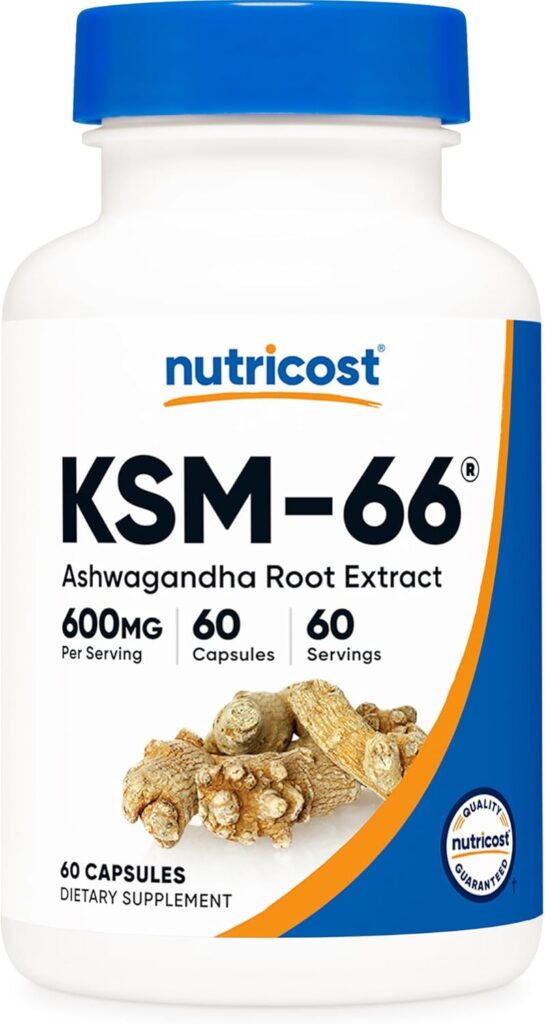
Recommended product: Nutricost KSM-66 Ashwagandha 600mg — pure KSM-66, BioPerine for enhanced absorption, GMP-compliant, non-GMO.
5. Omega-3 Fatty Acids — The Nutritional Foundation
The largest scoping review of natural interventions for depression (209 trials, Frontiers in Pharmacology 2025) placed omega-3s alongside St John’s Wort at the top of the evidence base. Omega-3 fatty acids (specifically EPA and DHA) have anti-inflammatory properties directly relevant to neuroinflammation in depression, support serotonin receptor function, and promote the neuroplasticity that all antidepressant treatments depend on.
A meta-analysis in Translational Psychiatry confirmed omega-3 supplementation significantly reduces depression scores, with EPA being the more active compound for mood specifically. Omega-3s are not a standalone antidepressant — they are a foundational nutritional support that amplifies the effects of other interventions.
How to use: 1,000–2,000mg of EPA + DHA daily from fish oil or algae-based omega-3, with food. EPA content specifically matters for mood — look for EPA-dominant formulations.
Food sources: Oily fish (salmon, mackerel, sardines, herring) 2–3 times per week. Plant omega-3 (flaxseed, walnuts) provides ALA with inefficient conversion to EPA/DHA — marine sources are more bioavailable.
6. Curcumin — Anti-Inflammatory Antidepressant
Curcumin — the active compound in turmeric — has documented antidepressant effects through multiple pathways: reducing inflammatory cytokines elevated in depression, inhibiting MAO enzyme activity, boosting BDNF production, and modulating serotonin and dopamine levels. A meta-analysis in Critical Reviews in Food Science and Nutrition found curcumin supplementation significantly reduced depression and anxiety scores across six randomised controlled trials. Expert consensus names St John’s Wort, saffron, and curcumin as the top three herbal therapies for depression with the best evidence.
The bioavailability problem: Standard curcumin has very poor bioavailability — most passes through the GI tract without reaching the bloodstream. Bioavailability-enhanced forms are essential: Meriva® (phospholipid complex), Theracurmin®, BCM-95®, or curcumin with piperine (increases bioavailability by up to 2,000%). Do not use standard turmeric powder expecting clinical antidepressant doses.
How to use: 500–1,000mg of bioavailability-enhanced curcumin daily with food.
Lifestyle Interventions — Stronger Than Any Supplement
Exercise is the most evidence-backed natural antidepressant. A landmark meta-analysis in JAMA Psychiatry confirmed exercise reduces depression symptoms with effect sizes comparable to antidepressant medication — across aerobic exercise, strength training, and yoga. The mechanisms include BDNF release, serotonin and dopamine upregulation, HPA axis normalisation, and anti-inflammatory effects. 30 minutes of moderate aerobic exercise three to five times per week is the best-evidenced dose.
Sleep restoration. Treating insomnia often reduces depressive symptoms independently of any other intervention — the bidirectional relationship between sleep and depression is one of the most robust findings in psychiatry. See our natural remedies for insomnia guide for the complete sleep restoration protocol.
Sunlight and vitamin D. Morning bright light exposure for 20–30 minutes within an hour of waking has an antidepressant effect comparable to medication for seasonal depression — and benefits non-seasonal depression through circadian rhythm normalisation and serotonin support. Vitamin D deficiency is associated with depression and is extremely common — consider testing.
Social connection. Social isolation is both a symptom of depression and a driver of it. Behavioural activation — deliberately reengaging with activities and social contact even when motivation is absent — is a core CBT technique for depression with strong evidence.
Dietary pattern. The Mediterranean diet is associated with significantly lower depression risk in epidemiological studies, through omega-3 provision, anti-inflammatory phytonutrients, prebiotic fibre supporting the gut-brain axis, and blood sugar stability reducing mood dysregulation.
What Doesn’t Work — Honest Guidance
Valerian root for depression — genuine evidence for anxiety and sleep but not depression specifically. The GABA-enhancing mechanism doesn’t address the monoaminergic and neurotrophic pathways most relevant to depression.
5-HTP — a serotonin precursor with plausible mechanism and some supporting evidence, but combining it with any serotonergic medication (SSRIs, St John’s Wort) creates serotonin syndrome risk. Use only with medical guidance if on any such medication.
General “mood booster” supplements — marketing terms without specific clinical evidence. Focus on compounds with named mechanisms and published RCTs: St John’s Wort, saffron, rhodiola, ashwagandha, omega-3s, curcumin.
Frequently Asked Questions
What is the most evidence-backed herbal remedy for depression?
St. John’s Wort has the strongest evidence — 27 clinical trials involving 3,808 subjects concluded it is comparable in efficacy to SSRIs but with fewer side effects. However, its extensive drug interaction profile means it is only appropriate for people not taking other regular medications. For people on any prescription medication, saffron at 30mg/day has the next strongest evidence with a much cleaner interaction profile.
Can I take herbal remedies alongside antidepressants?
It depends on the specific remedy and medication. St John’s Wort must never be combined with SSRIs, SNRIs, or MAOIs — serotonin syndrome risk is documented and serious. Saffron, rhodiola, and ashwagandha have generally cleaner interaction profiles but always disclose supplement use to your prescribing doctor. Never start or stop antidepressants without medical guidance.
How long do herbal remedies for depression take to work?
Similar to pharmaceutical antidepressants — 4–8 weeks for full effect. St John’s Wort onset mirrors SSRI onset: gradual improvement over 4–6 weeks. Rhodiola may produce faster energy improvements (1–2 weeks) while antidepressant effects build over 4–6 weeks. Saffron shows effects in clinical trials at 6–8 weeks. Expect natural remedies to take the same time as medication.
Are herbal remedies effective for severe depression?
The clinical evidence for herbal remedies is specifically for mild to moderate depression. For severe depression — major depressive disorder with significant functional impairment, psychotic features, or suicidal ideation — evidence-based medical treatment is essential. Herbal remedies are not appropriate as primary therapy for severe depression.
What is the gut-brain connection in depression?
The gut microbiome communicates bidirectionally with the brain through the vagus nerve, immune signalling, and neurotransmitter production — approximately 90% of the body’s serotonin is produced in the gut. Dysbiosis is associated with depression, and probiotics appear among the top-evidenced natural interventions in scoping reviews. Prebiotic-rich foods (vegetables, legumes, wholegrains) support microbiome diversity directly.
Is St John’s Wort safe for long-term use?
Clinical evidence supports use for 6–12 months. Long-term safety beyond one year is less well-studied. Photosensitivity is the most consistent adverse effect with extended use. The drug interaction profile is the main ongoing concern — particularly oral contraceptive efficacy, which requires monitoring if relevant.
Final Thoughts
Herbal remedies for depression have more clinical evidence behind them than most people realise. St John’s Wort has been compared directly to SSRIs in 27 trials with comparable efficacy — that is a remarkable finding that deserves wider recognition. Saffron’s head-to-head comparisons with fluoxetine across multiple independent trials are equally compelling.
But evidence-based natural approaches work best within a complete framework: professional diagnosis and monitoring, exercise as the foundational non-pharmacological intervention, sleep restoration, social reengagement, and dietary improvement. Supplements amplify a good foundation — they can’t substitute for one.
The most important message: if you have been struggling with depression for more than a few weeks, please speak to a healthcare professional. A proper diagnosis distinguishes mild situational depression (where herbal remedies may be very appropriate) from major depressive disorder, bipolar disorder, or depression secondary to a medical condition — all of which require different approaches. Natural remedies work best when you know what you’re actually treating.
This article is for informational purposes only and does not constitute medical advice. Depression is a serious medical condition. If you are in crisis or experiencing thoughts of self-harm, please call or text the 988 Suicide and Crisis Lifeline immediately. Always consult a qualified healthcare provider before starting any supplement, particularly if you are taking medications.