
This post contains affiliate links. As an Amazon Associate I earn from qualifying purchases, at no extra cost to you.
This article is for informational purposes only and does not constitute medical advice. Valerian root is a herbal supplement, not a substitute for medical treatment. Always consult a qualified healthcare provider before starting any supplement, particularly if you are pregnant, nursing, taking medications, or have an underlying health condition.
Valerian root has been used as a sleep and calming remedy for over two thousand years — from ancient Greece and Rome through medieval European herbalism to modern supplement shelves. Unlike many traditional herbs where the evidence never caught up to the reputation, valerian has been studied in dozens of clinical trials. The results are genuinely interesting, and genuinely nuanced. It works for some people in measurable ways. For others, it doesn’t seem to do much at all. Understanding why that gap exists is the key to using it effectively.
This guide covers what valerian root actually does in the body, what the clinical research shows (including where it falls short), how to dose it correctly, and which supplements are worth buying.
What Is Valerian Root?
Valerian (Valeriana officinalis) is a perennial flowering plant native to Europe and Asia, now widely cultivated around the world. The medicinal part is the root and rhizome, which is harvested in autumn when active compound concentrations are highest. Fresh valerian root has a distinctive — and frankly unpleasant — earthy, slightly sulfurous smell that becomes stronger as it dries. This is largely due to isovaleric acid, one of its volatile compounds.
The primary active compounds responsible for valerian’s effects include:
- Valerenic acid — the most studied compound, responsible for the sedative and anxiolytic effects. Acts as a positive allosteric modulator at GABA-A receptors in the brain.
- Isovaleric acid — contributes to the characteristic smell and may have mild sedative effects
- Valepotriates (iridoids) — unstable compounds found in fresh root that break down during drying and storage; may contribute to anti-anxiety effects in fresh preparations
- Flavonoids including hesperidin, linarin, and 6-methylapigenin — calming antioxidants that may amplify valerenic acid’s effects
- Small amounts of GABA — the inhibitory neurotransmitter itself, though its ability to cross the blood-brain barrier in supplement form is debated
How Valerian Root Works in the Brain
Valerian’s primary mechanism is modulation of the GABA-A receptor system. GABA (gamma-aminobutyric acid) is the brain’s main inhibitory neurotransmitter — the chemical brake that quiets neural activity and produces feelings of calm and relaxation. Low GABA activity is associated with anxiety, insomnia, and heightened stress reactivity.
Valerenic acid acts on GABA-A receptors in a way that is mechanistically similar to benzodiazepine drugs (like diazepam or lorazepam), but far more gentle and without the dependency, withdrawal, and tolerance risks associated with those medications. It enhances the receptor’s response to GABA rather than flooding the system with an exogenous substance. This distinction matters: valerian supports the brain’s own calming chemistry rather than overriding it.
Valerian compounds also interact with serotonin receptors (5-HT5a), which may explain some of its reported mood-stabilizing and sleep-architecture effects beyond simple sedation.
Valerian Root for Sleep: What the Research Actually Shows
Sleep is valerian’s best-studied application, and the evidence here is genuinely mixed — which is worth being honest about, because most supplement marketing isn’t.
A 2020 systematic review and meta-analysis found that valerian may improve sleep quality and reduce the time it takes to fall asleep, but noted that effect sizes vary substantially across trials and methodological quality is uneven. A 2023 randomized controlled trial by Shekhar et al. (n=72) found that 200mg of valerian root powder extract standardized to 2% valerenic acid, taken one hour before bed for two months, significantly reduced sleep onset time by 36 minutes and extended total sleep time by 11 minutes compared to placebo. Sleep quality improvement, however, was only modest. A subsequent 2024 analysis of the same trial found the extended sleep time appeared on the first night, while the improvements in time to fall asleep developed over the multi-week course.
On the other side, a much-cited 2007 systematic review by Taibi et al. concluded that conventional valerian extracts are “probably not effective for treating insomnia.” This reflects a real problem in the valerian research: enormous variation in extract standardization across trials. Doses in published studies range from 225mg to 1,215mg per day, and only a minority of trials specify valerenic acid content. A trial using a low-quality, non-standardized extract and one using a rigorously standardized extract are measuring different things — and pooling them produces inconclusive results that obscure the real picture.
What the better-designed trials consistently show is this: valerian is most likely to help people who have difficulty falling asleep due to an overactive or anxious mind, taken regularly for at least 2–4 weeks (not as a one-night remedy), using a standardized extract with confirmed valerenic acid content. For people with primary insomnia driven by other factors — circadian disruption, sleep apnea, chronic pain — the evidence is weaker.
Valerian Root for Anxiety
The anxiety evidence is less extensive than the sleep research but mechanistically well-supported. Because valerenic acid works on the same GABA-A receptor system targeted by anti-anxiety medications, the pharmacological basis for an anxiolytic effect is solid. Several studies in people with generalized anxiety and situational stress show measurable reductions in anxiety scores, heart rate, and perceived tension.
A randomized controlled trial in hemodialysis patients — a population with high rates of anxiety, depression, and sleep disruption — found that valerian supplementation improved all three outcomes over an eight-week course. The study is notable for measuring real-world quality-of-life outcomes rather than just questionnaire scores.
For everyday stress and situational anxiety, valerian is a reasonable herbal option. For diagnosed anxiety disorders, it should be considered a supportive tool alongside professional care, not a replacement for it. See our guide to natural remedies for anxiety for a fuller picture of the evidence landscape, including ashwagandha and L-theanine.
Other Potential Benefits
Menopause Symptoms
Several small trials have examined valerian for hot flashes and sleep disturbance during menopause, with some positive findings on both frequency and severity of hot flashes. The evidence is preliminary but consistent enough to be worth noting for women looking for non-hormonal options.
Menstrual Cramp Relief
Valerian has traditional use for menstrual pain, and at least one randomized trial found it comparable to a common pain reliever for reducing dysmenorrhea severity. The proposed mechanism involves valerian’s antispasmodic effect on smooth muscle — the same tissue that causes cramping. This is an area that deserves more research.
Restless Legs Syndrome
A small pilot study found improvements in restless legs symptoms and daytime sleepiness with valerian supplementation over eight weeks. The sample size was too small for firm conclusions, but the finding is consistent with valerian’s GABAergic mechanism and its use in traditional medicine for leg restlessness.
What Valerian Root Won’t Do
A few things worth being clear about:
- It’s not a fast-acting sedative. Unlike prescription sleep aids, valerian doesn’t knock you out. It supports the conditions for natural sleep onset — reduced mental chatter, nervous system calming — and works best after consistent use of two to four weeks. Taking it once and expecting immediate results is the most common mistake.
- It probably won’t help with sleep apnea, circadian rhythm issues, or chronic pain-driven insomnia. These require targeted interventions. Valerian addresses the anxiety and nervous system activation component of sleep difficulty, not structural or mechanical sleep problems.
- The evidence for depression is limited. While one study combined valerian with St. John’s Wort for depression comorbid with anxiety, valerian alone is not a treatment for depression. See our guide to herbal remedies for depression for the actual evidence on that topic.
How to Use Valerian Root: Dosage and Timing
Dosage varies by form and purpose:
- For sleep: 300–600mg of standardized extract, taken 30–60 minutes before bed. Look for products standardized to at least 0.8% valerenic acids. Give it 2–4 weeks of nightly use before assessing whether it’s working.
- For daytime anxiety: Lower doses of 100–200mg, one to three times daily. Avoid doses that cause noticeable drowsiness if you need to drive or operate machinery.
- Tea: 1 teaspoon of dried root steeped in hot water for 10–15 minutes. The taste is earthy and strong — most people find capsule or tincture forms more palatable.
- Tincture: 1–2mL in water or juice, taken in the evening. Liquid extracts absorb slightly faster than capsules.
Important: Always take valerian in the evening if you are new to it. Even daytime anxiety doses can cause drowsiness in some individuals. Do not drive or operate machinery until you know how it affects you.
Safety and Side Effects
Valerian has a well-established safety profile when used at standard doses for periods of up to several months. Reported side effects are generally mild:
- Daytime drowsiness or grogginess (most common, especially at higher doses)
- Vivid dreams in some users
- Mild headache or digestive upset in a small percentage of users
- A paradoxical stimulating effect in a subset of people — the opposite of sedation (thought to involve individual differences in GABA receptor sensitivity)
Do not combine valerian with: alcohol, benzodiazepines, sedative antihistamines, opioids, or other CNS depressants. The combined sedative effect can be significant. There is also potential for interaction with medications metabolized by the liver enzyme CYP3A4 — consult a pharmacist if you take any prescription medications regularly.
Avoid during pregnancy and breastfeeding — safety data in these populations is insufficient.
The Standardization Problem: Why Product Quality Matters More Than With Most Supplements
Valerian root quality varies enormously across products. The core issue is valerenic acid content. Valerenic acid — the compound most responsible for valerian’s pharmacological effects — is unique to Valeriana officinalis and its concentration in the root depends heavily on harvest timing, storage conditions, and processing method. A poorly processed or adulterated product can have a fraction of the valerenic acid content of a well-made one at the same labeled dose.
This is why the research on valerian is so inconsistent: trials using low-quality, unstandardized extracts show little effect, while trials using standardized extracts with confirmed valerenic acid content tend to show benefit. When buying valerian, look for:
- Standardized extract with valerenic acid percentage listed on the label
- GMP-certified manufacturing
- Third-party testing (USP, NSF, or Informed Sport verification)
- Reputable brands with transparent sourcing
Best Valerian Root Supplements
Best Everyday Value: NOW Foods Valerian Root 500mg
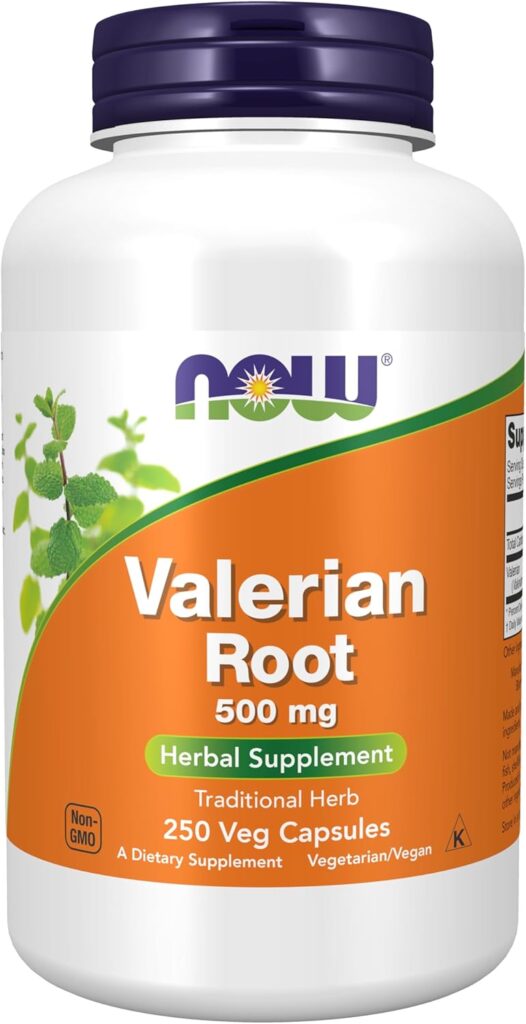
NOW Foods is the most trusted name in affordable, reliable supplements, and their 500mg valerian capsules are the category bestseller for good reason. GMP-certified manufacturing, NPA A-rated facilities, vegan capsules, non-GMO, and 250 capsules per bottle makes this the best cost-per-serving option for someone who wants to do a proper 4-week trial. The 500mg dose aligns with the effective range in clinical studies.
Best Standardized Extract: Nature’s Way Valerian Premium Extract
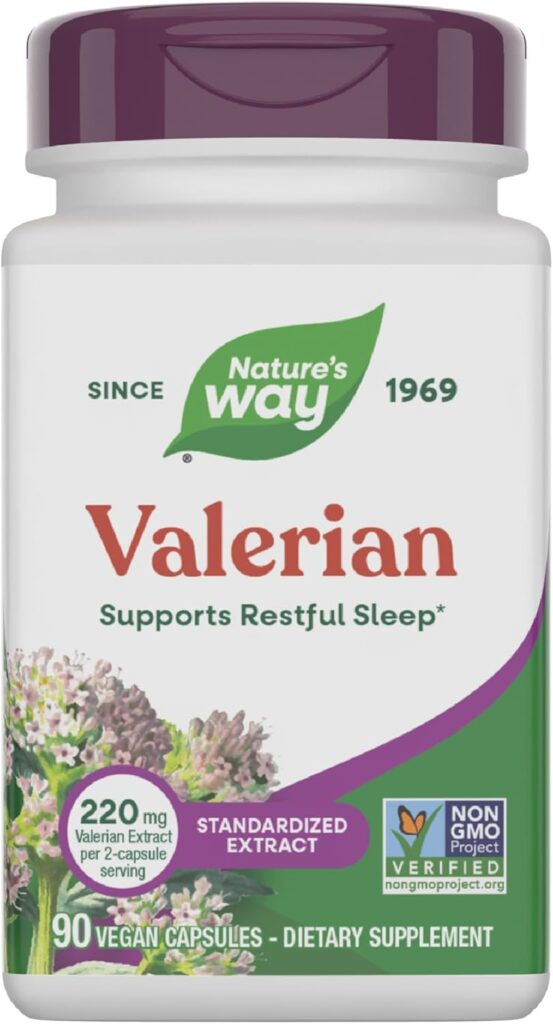
For those who want the valerenic acid content actually specified on the label, Nature’s Way delivers: standardized to 0.8% valerenic acids per 2-capsule serving, Non-GMO Project Verified, vegan, and from one of the most established herbal supplement brands in the US. This is the pick when you want to replicate what the better clinical trials are using — a genuine standardized extract rather than a plain dried root powder.
Best Liquid Tincture: Herb Pharm Valerian Extract
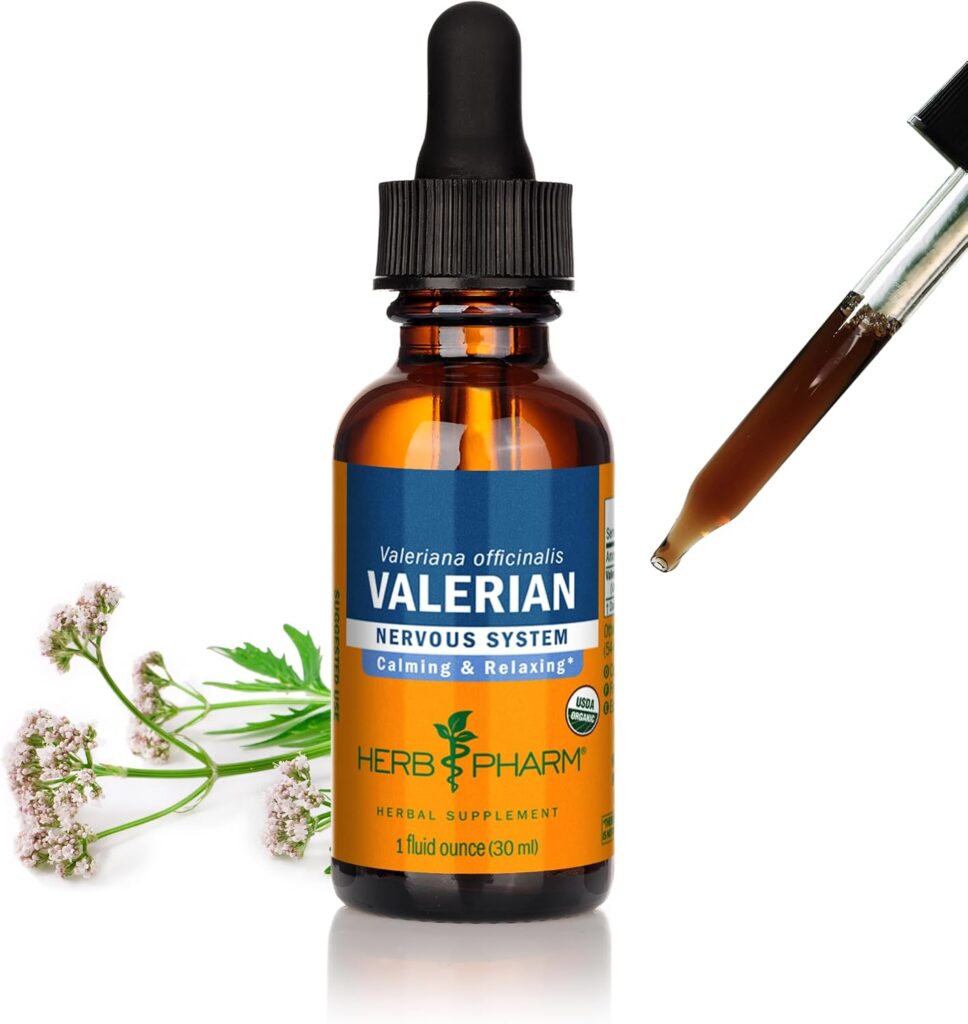
Herb Pharm is the US’s number-one herbal tincture brand, and their valerian stands out for one important reason: it’s prepared from fresh root and rhizome, not dried. Fresh extraction preserves a broader spectrum of volatile compounds — including valepotriates, which break down during drying — that may contribute to the anxiolytic effect. USDA Organic, vegan, sugar-free, and produced on Regenerative Organic Certified farms in Oregon. The liquid format absorbs faster than capsules and is easier to dose precisely.
Best Combination Formula: Nested Naturals Luna
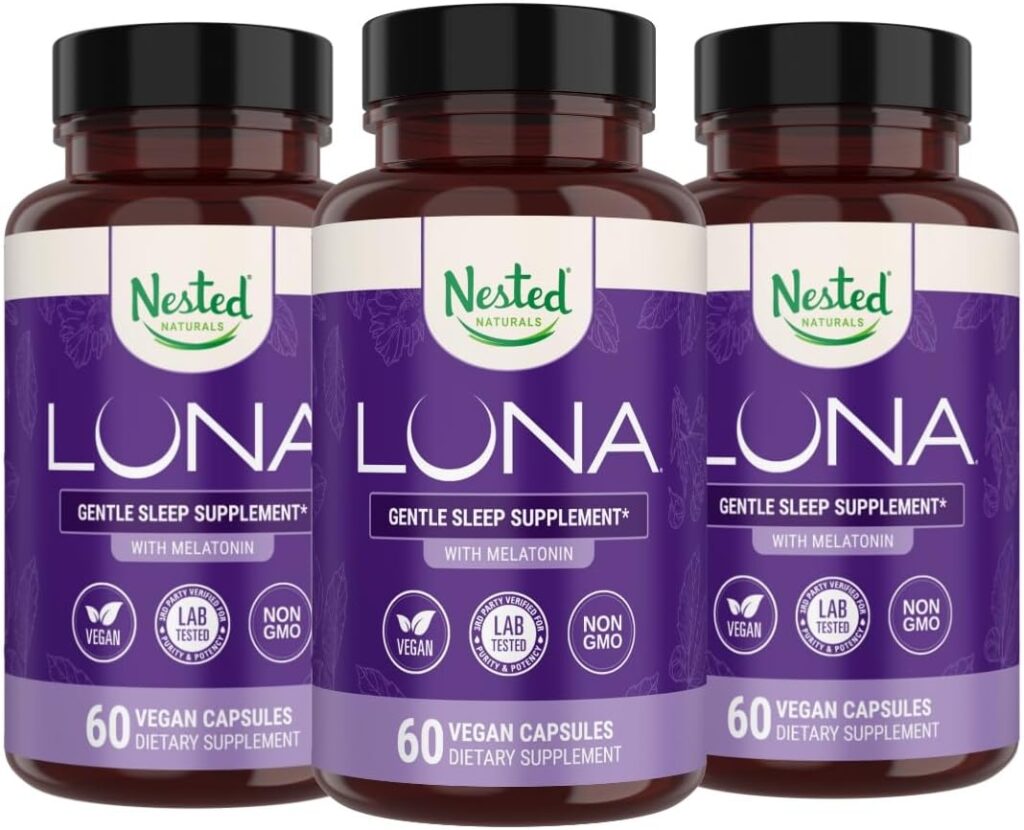
For people who want valerian as part of a broader sleep stack, Luna combines valerian root with melatonin, chamomile, lemon balm, and passionflower — covering multiple mechanisms at once (GABA modulation, circadian signaling, nervous system calming). Non-habit forming, vegan, and well-reviewed. Best suited for situational sleep difficulty rather than long-term nightly use. For more on the other herbs in this formula, see our natural remedies for insomnia guide.
Valerian Root Tea
For those who prefer tea over capsules, valerian root tea is a traditional and effective delivery method — particularly for its calming evening ritual as much as its pharmacological effect. The taste is earthy and strong with a slightly bitter finish. Most people find it more pleasant blended with chamomile or lemon balm, which is why combination sleep teas often pair valerian with those herbs. Traditional Medicinals makes a well-regarded Valerian with Passionflower blend that’s widely available. See our herbal tea for sleep guide for more on bedtime tea options.
Frequently Asked Questions
How long does valerian root take to work?
For sleep support, most people notice meaningful improvement after 2–4 weeks of nightly use. Valerian is not a fast-acting sedative — it works by supporting the brain’s calming chemistry over time, not by inducing sleep acutely. Some people report noticing the relaxing effect from the first dose; others don’t feel much until they’ve been taking it consistently for a few weeks.
Can you take valerian root every night?
Short to medium-term nightly use appears safe based on available evidence. Unlike benzodiazepines, valerian has not been shown to cause physical dependence or rebound insomnia when stopped. That said, most herbalists recommend taking periodic breaks (a week off every couple of months) as good practice with any supplement used regularly over an extended period.
Does valerian root actually smell that bad?
Yes — and the smell intensifies as the root dries. Valerian’s characteristic earthy, slightly pungent odor is largely due to isovaleric acid. Capsules and tinctures contain the same compounds but mostly spare you the smell during consumption. If you’ve ever opened a bottle and immediately regretted it, you’re not alone — it’s one of the most reliably off-putting herbs in regular use.
Is valerian root safe to combine with melatonin?
Combination products exist and are well-tolerated in most people. Both act on sleep through different mechanisms (GABA modulation vs. circadian signaling), so combining them is rational rather than redundant. Use lower doses of each when combining. Avoid adding alcohol, antihistamines, or prescription sedatives into the mix.
What’s the difference between valerian root and valerian extract?
Valerian root refers to the dried root powder — the whole root ground up and encapsulated. Valerian extract is a concentrated, processed form where specific compounds (particularly valerenic acids) are isolated and standardized to a set percentage. Extract is generally more consistent in potency and more likely to produce reliable results in the clinical range. When a label says “standardized to 0.8% valerenic acids,” that’s the extract form.
The Bottom Line
Valerian root is one of the most evidence-supported herbal sleep and anxiety remedies — not because the research is uniform and definitive, but because the pharmacological mechanism is well understood, the better-designed trials show real benefit, and two thousand years of traditional use points consistently in the same direction. The key is using it correctly: standardized extract, consistent nightly use for at least a month, and realistic expectations about what it can and can’t do.
For sleep, it works best as a long-term nervous system calming tool rather than a one-night fix. For anxiety, it offers genuine support for the mind-racing, tension-driven aspect of everyday stress. For both, product quality matters more than with most herbs — look for standardized extract with valerenic acid content on the label.
If you’re building a natural sleep protocol, valerian pairs well with the other evidence-supported options covered in our natural remedies for insomnia guide, and with the anxiety-specific herbs covered in our natural remedies for anxiety guide.
This article is for informational purposes only. Valerian root is a herbal supplement and is not intended to diagnose, treat, cure, or prevent any disease. If you are experiencing persistent sleep problems, anxiety, or other health concerns, please consult a qualified healthcare provider.