This post contains affiliate links. If you buy through our links we may earn a small commission — at no extra cost to you. This never influences our recommendations.
This article is for informational purposes only and does not constitute medical advice. High blood pressure is a serious medical condition. Always consult your doctor before making changes to your treatment plan, stopping any medication, or starting any supplement — especially if you are already prescribed antihypertensive drugs.
Read This First — When Natural Remedies Are (and Aren’t) Appropriate
Blood pressure management is one area where the evidence for natural remedies is genuinely strong — and where the stakes of getting it wrong are also genuinely high. Uncontrolled hypertension is one of the leading causes of stroke, heart attack, and kidney failure. The appropriate role of natural remedies depends entirely on where your blood pressure sits.
- Normal (under 120/80): Lifestyle and natural approaches are appropriate preventive tools
- Elevated (120–129/under 80): Lifestyle changes are the primary intervention; natural remedies may help
- Stage 1 hypertension (130–139/80–89 mmHg): Natural remedies and lifestyle changes may be appropriate under medical supervision, particularly if cardiovascular risk is low
- Stage 2 hypertension (140+/90+ mmHg): Prescription medication is typically required; natural remedies are supportive, not primary treatment
- Hypertensive crisis (180+/120+): Emergency medical attention — do not attempt to manage with supplements
If you are already taking antihypertensive medication, several herbs and supplements interact with them — particularly garlic, CoQ10, and magnesium. Always inform your doctor before adding any supplement to your routine.
How High Blood Pressure Works — and Why Multiple Mechanisms Matter
Blood pressure is determined by two factors: how hard the heart pumps (cardiac output) and how much resistance the blood vessels offer (peripheral vascular resistance). Most hypertension in adults is “essential” — meaning no single cause is identified. It typically involves a combination of arterial stiffness, renin-angiotensin system overactivity, chronic inflammation, oxidative stress, and magnesium or potassium deficiency.
This is why no single natural remedy works for everyone, and why the most effective natural approaches address multiple mechanisms simultaneously. The remedies below target different pathways — vasodilation, ACE inhibition, nitric oxide production, and mineral balance — and are most effective when combined with the lifestyle changes covered later in this article.
Natural Remedies for High Blood Pressure — Ranked by Evidence
1. Magnesium — The Most Underappreciated Blood Pressure Mineral
Magnesium deficiency is widespread — studies suggest up to 50% of Western adults consume less than the recommended daily amount. It is also one of the most consistent natural interventions for blood pressure, with a 2021 systematic review of 49 clinical trials concluding that magnesium supplementation produces meaningful reductions in both systolic and diastolic blood pressure, particularly in people who are deficient.
The mechanism is well understood: magnesium relaxes the smooth muscle in arterial walls, acts as a natural calcium channel blocker, and supports healthy endothelial function. Low magnesium also increases vascular resistance — correcting the deficiency directly addresses one of hypertension’s core drivers.
Best form: Magnesium glycinate is the most bioavailable oral form and the gentlest on digestion. Magnesium oxide (common in cheap supplements) has poor absorption and is less effective. Magnesium citrate is a reasonable middle option but causes loose stools at higher doses in some people.
Dose: 200–400mg elemental magnesium daily, taken with food. Allow 4–8 weeks of consistent supplementation before assessing effect.
Safety note: People with kidney disease should not supplement magnesium without medical supervision — impaired kidneys cannot excrete excess magnesium efficiently.
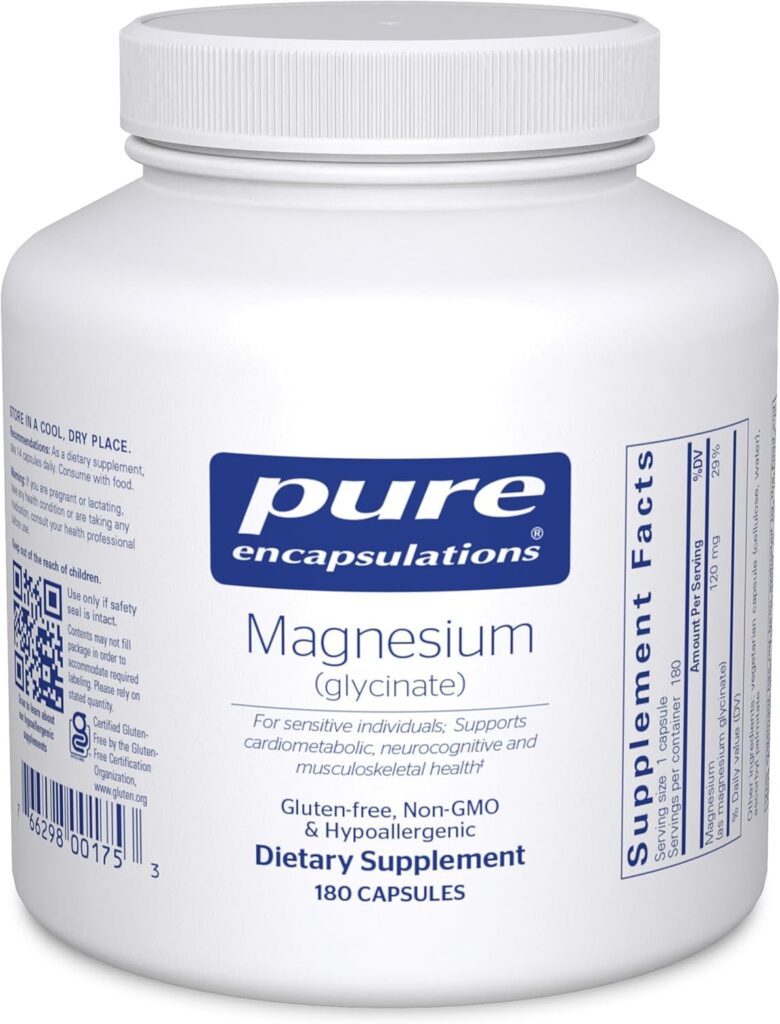
Recommended: Pure Encapsulations Magnesium Glycinate 180 caps — 120mg elemental magnesium per capsule, NSF registered facility, hypoallergenic, free from common allergens and unnecessary fillers. The benchmark quality standard for magnesium glycinate.
2. Aged Garlic Extract — Clinically Validated, Not Just Traditional
Garlic has been used for cardiovascular health for centuries, but aged garlic extract (AGE) is a different and significantly more effective form than raw or cooked garlic. The aging process converts harsh compounds into stable organosulfur compounds — particularly S-allylcysteine — that are well-absorbed and specifically active in the cardiovascular system.
A 2022 meta-analysis found that aged garlic extract supplementation significantly reduces both systolic and diastolic blood pressure in hypertensive patients, with effects equivalent to a first-line antihypertensive drug in some trials. A 2024 analysis found that AGE also reduces arterial stiffness — a marker of vascular aging that is an independent predictor of cardiovascular events. The effect sizes are meaningful: systolic BP reductions of 7–10 mmHg have been reported in well-designed trials.
Dose: 600–1,200mg aged garlic extract daily, standardised to S-allylcysteine content. Allow 8–12 weeks for full effect.
Safety note: Aged garlic has mild blood-thinning properties. Use with caution alongside warfarin, aspirin, or other anticoagulants. Discuss with your doctor before use if you take any blood-thinning medication.
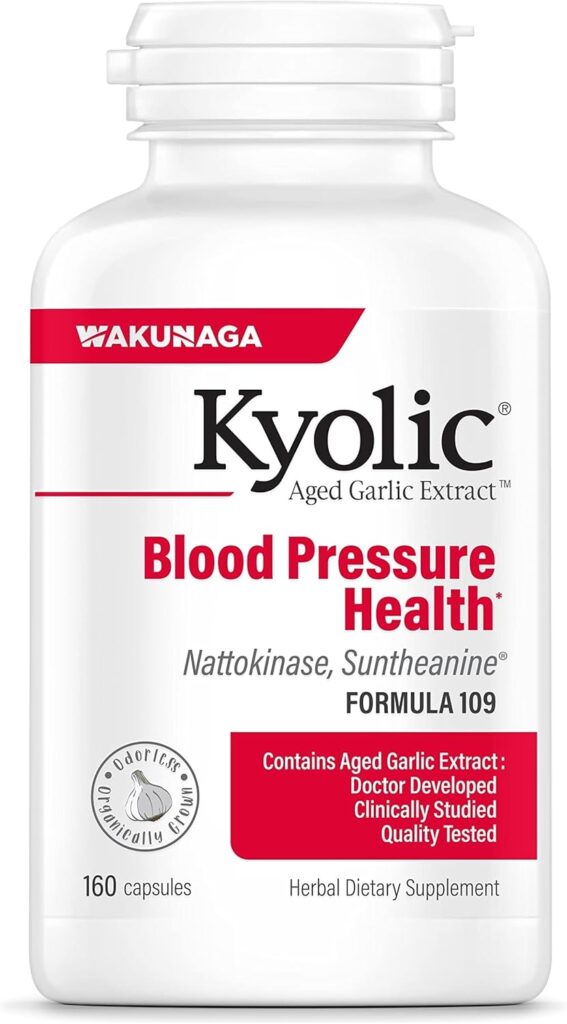
Recommended: Kyolic Aged Garlic Extract Formula 109, 160 caps — the most clinically studied AGE brand with 50+ years of research behind it. Formula 109 is blood-pressure specific: 400mg AGE combined with Nattokinase (for healthy blood flow) and L-Theanine (for stress-driven BP). Odourless, organically grown, non-GMO, over 250 quality control checks per batch.
3. Hibiscus — The Herbal Tea With the Strongest BP Evidence
Hibiscus sabdariffa is one of the most evidence-backed herbal remedies for hypertension. A 2010 randomised controlled trial published in the Journal of Nutrition found that three cups of hibiscus tea daily for six weeks reduced systolic blood pressure by 7.2 mmHg compared to placebo in pre-hypertensive and mildly hypertensive adults. A subsequent meta-analysis of multiple trials confirmed the finding: hibiscus consistently lowers both systolic and diastolic BP in people with elevated readings.
The active compounds — anthocyanins and other polyphenols — work through ACE inhibition (the same mechanism as lisinopril and ramipril, without the side effects), vasodilation, and antioxidant activity that reduces oxidative damage to arterial walls. The effect is dose-dependent and most pronounced in people with elevated baseline BP.
How to use: 2–3 cups of hibiscus tea daily brewed from dried hibiscus flowers or commercial hibiscus tea bags. Steep for 5–6 minutes in hot (not boiling) water. Can also be taken as a standardised extract supplement. Allow 4–6 weeks to assess effect.
Safety note: Hibiscus may lower blood pressure significantly when combined with antihypertensive drugs — monitor blood pressure carefully if using both. Not recommended during pregnancy. May interact with hydrochlorothiazide.
4. Beetroot / Dietary Nitrates — Fastest Natural BP Reduction
Dietary nitrates from beetroot and leafy greens convert to nitric oxide in the body — a powerful vasodilator that relaxes and widens blood vessel walls, directly reducing peripheral resistance. A well-controlled trial published in Hypertension found that 250ml of beetroot juice daily reduced systolic BP by 7.7 mmHg within 24 hours in hypertensive patients — the fastest-acting natural intervention with this level of evidence behind it.
The effect is not permanent on its own but is useful as a fast-acting tool, particularly before activities that elevate blood pressure (exercise, stressful situations), or as a daily dietary addition. The highest dietary nitrate sources are: beetroot, rocket/arugula, spinach, Swiss chard, and celery.
Practical approach: Add raw or lightly cooked beetroot to daily meals, or use a concentrated beetroot powder in water each morning. Avoid boiling beetroot extensively — it degrades the nitrate content. Do not use mouthwash immediately before beetroot consumption — mouthwash kills the oral bacteria that convert nitrate to nitric oxide, eliminating the BP effect.
5. Hawthorn — Traditional Heart Herb With Modern Evidence
Hawthorn (Crataegus spp.) has been used in traditional medicine for heart conditions for over a thousand years. Modern research confirms several relevant mechanisms: hawthorn flavonoids inhibit ACE, dilate peripheral blood vessels, increase coronary blood flow, and have antioxidant effects on arterial tissue. Clinical trials show modest but consistent reductions in both systolic and diastolic blood pressure with hawthorn supplementation over 16 weeks.
Hawthorn works most effectively as part of a multi-herb approach rather than as a standalone. It’s a common anchor ingredient in combination blood pressure support formulas for this reason.
Dose: 160–900mg standardised hawthorn extract (1.8% vitexin or 18% oligomeric procyanidins) daily, in divided doses. Takes 8–16 weeks for full effect.
6. Potassium — Dietary First, Supplement Second
Potassium directly counteracts sodium’s blood-pressure-raising effect by promoting sodium excretion through the kidneys and relaxing arterial smooth muscle. The American Heart Association and WHO both recognise adequate potassium intake as a key dietary intervention for blood pressure management. A 2025 AHA update confirmed that increasing potassium reduces systolic BP by an average of 3–5 mmHg in hypertensive adults.
The most effective source is diet — bananas, potatoes, avocados, leafy greens, beans, and yoghurt are all potassium-dense. Supplemental potassium requires medical supervision: high-dose potassium supplements can be dangerous for people with kidney disease or those taking ACE inhibitors, ARBs, or potassium-sparing diuretics, where it can cause hyperkalaemia (dangerously elevated blood potassium).
Recommendation: Prioritise dietary potassium before considering supplements. If considering supplemental potassium, consult your doctor first — particularly if you take any blood pressure or heart medication.
Best Combination Supplement for Blood Pressure
For those who want multiple evidence-backed ingredients in a single daily formula rather than managing several separate supplements, a well-formulated combination product makes practical sense.
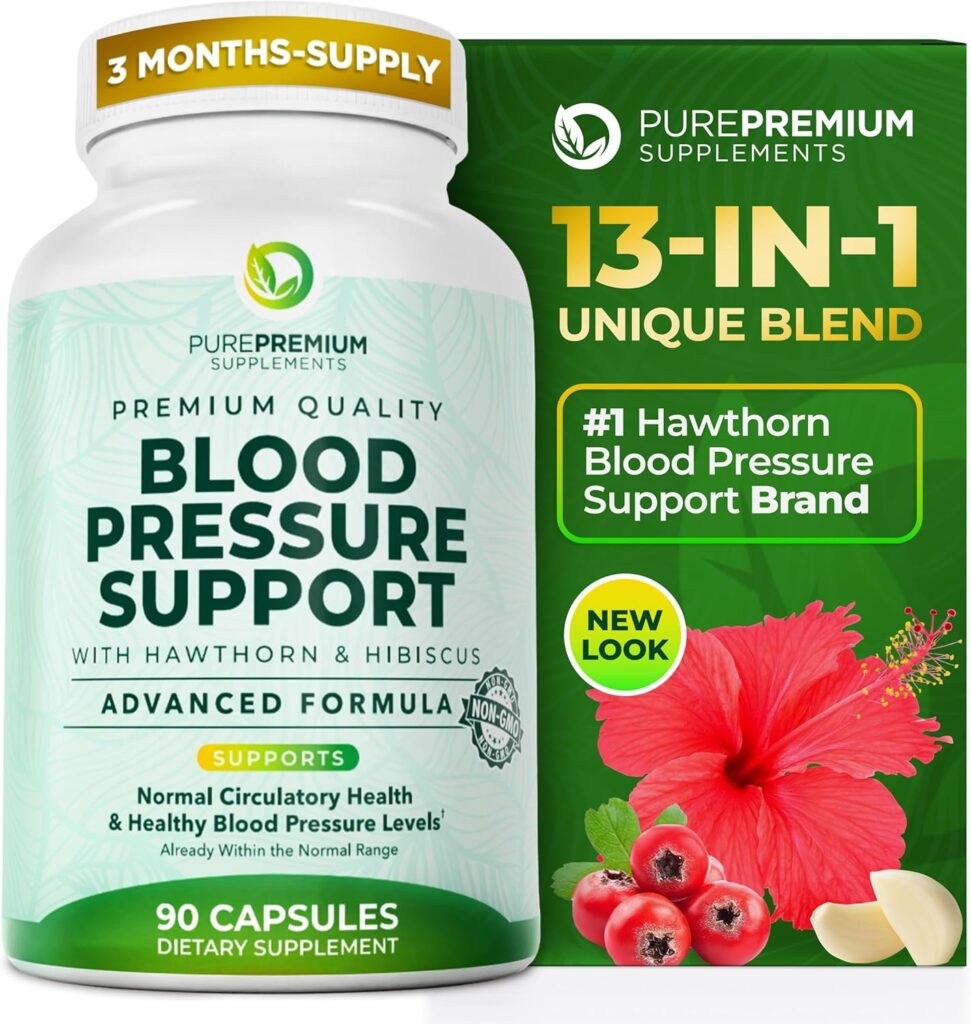
Recommended: PurePremium Blood Pressure Support, 90 caps — combines hawthorn berry, hibiscus flower, garlic bulb, olive leaf extract, green tea, and B vitamins in one capsule. USA-manufactured, third-party lab tested. A logical starting point for people who want a broad-spectrum natural approach without buying five separate bottles.
Lifestyle Changes — More Powerful Than Any Supplement
No supplement produces the consistent, predictable blood pressure reductions that lifestyle changes do. The evidence is clear and the effect sizes are larger than most natural remedies. Before or alongside supplementation, these interventions should be the foundation:
The DASH diet: Dietary Approaches to Stop Hypertension — emphasises fruits, vegetables, whole grains, low-fat dairy, lean protein, and limits sodium, saturated fat, and added sugar. Reduces systolic BP by 8–14 mmHg in controlled trials. This is not a marketing claim — it is the most replicated dietary finding in cardiovascular research.
Sodium reduction: Reducing sodium from a typical US intake (~3,400mg/day) to under 2,300mg/day lowers systolic BP by 5–6 mmHg on average. Sensitive individuals can see 8–10 mmHg reductions. The biggest sources of hidden sodium are bread, processed meats, restaurant food, and canned goods — not the salt shaker.
Regular aerobic exercise: 30 minutes of moderate aerobic exercise (brisk walking, cycling, swimming) five days per week reduces systolic BP by 4–9 mmHg. The effect is consistent, immediate in onset, and additive with dietary changes.
Alcohol reduction: Consuming more than two drinks per day raises blood pressure. Reducing to moderate consumption (one drink for women, two for men) or less lowers systolic BP by 2–4 mmHg.
Stress management: Chronic stress elevates cortisol, which drives sodium retention and arterial constriction. Practices with evidence for BP reduction include regular meditation (4–5 mmHg systolic reduction in consistent trials), diaphragmatic breathing exercises (the 4-7-8 method, slow paced breathing at 6 breaths/minute), and yoga practised regularly. See our natural remedies for anxiety guide for a fuller evidence review of stress reduction approaches.
Weight loss: Every kilogram of weight lost reduces systolic BP by approximately 1 mmHg. A 10kg weight loss produces a 10 mmHg reduction — comparable to a first-line medication.
What Doesn’t Have Reliable Evidence
Apple cider vinegar: Frequently cited online for blood pressure. No credible clinical evidence supports a meaningful effect. Not harmful at normal amounts, but should not be relied upon for BP management.
Celery seed: Traditional use is extensive; clinical evidence in humans is limited to very small studies. May have mild diuretic and vasodilatory effects but cannot be reliably dosed from available evidence.
Turmeric/curcumin: Strong anti-inflammatory evidence, modest evidence for blood vessel health, but direct BP-lowering effects in clinical trials are weak and inconsistent. See our herbs for inflammation guide for the full curcumin evidence review.
Essential oils: No credible clinical evidence for blood pressure reduction. Not appropriate as a treatment tool.
Frequently Asked Questions
Can natural remedies replace blood pressure medication?
For Stage 1 hypertension (130–139/80–89 mmHg) with low overall cardiovascular risk, natural remedies combined with lifestyle changes may be sufficient to bring blood pressure into a safe range — under medical supervision. For Stage 2 hypertension (140+/90+ mmHg), prescription medication is typically required. Natural remedies can meaningfully complement medication and may allow for dose reduction over time, but this should always be managed by a doctor. Never stop antihypertensive medication without medical guidance — rebound hypertension can be dangerous.
How quickly do natural remedies lower blood pressure?
Beetroot/dietary nitrates work within hours. Hibiscus tea shows effects within 2–6 weeks of daily consumption. Aged garlic extract typically requires 8–12 weeks for full effect. Magnesium glycinate shows measurable effects within 4–8 weeks of consistent supplementation. Lifestyle changes — DASH diet, exercise, sodium reduction — produce the most reliable improvements and begin showing effect within 2–4 weeks.
Is it safe to take multiple blood pressure supplements together?
Combining several blood pressure-lowering supplements without medical supervision carries a risk of excessive BP reduction, particularly if you are also taking antihypertensive medication. If you are on medication, consult your doctor before adding any supplement to your routine. If you are managing elevated BP without medication, starting with one supplement at a time and monitoring your readings helps you identify what’s working and avoid overshooting.
What foods lower blood pressure quickly?
Beetroot and beetroot juice produce the fastest food-based BP reduction — measurable within 2–3 hours due to dietary nitrate conversion to nitric oxide. Hibiscus tea consumed daily shows effects within days to weeks. Dark chocolate (high cocoa, low sugar) has modest short-term vasodilatory effects. For sustained reduction, the DASH dietary pattern as a whole is far more effective than any single food.
Does stress cause high blood pressure?
Acute stress causes temporary blood pressure spikes through adrenaline and cortisol release — this is normal physiology. Chronic unmanaged stress contributes to sustained hypertension through cortisol-driven sodium retention, arterial inflammation, and unhealthy coping behaviours (poor diet, alcohol, sedentary lifestyle). Stress management is a legitimate and evidence-backed component of blood pressure treatment, not just lifestyle advice.
Final Thoughts
The most evidence-backed natural approach to high blood pressure combines lifestyle changes (DASH diet, sodium reduction, regular exercise, stress management) with targeted supplementation for the areas most relevant to your situation.
Magnesium glycinate addresses the widespread deficiency that drives vascular resistance in many adults. Aged garlic extract — particularly Kyolic Formula 109 — has the strongest clinical evidence of any single herbal intervention for BP, with effect sizes that rival first-line medication in some trials. Hibiscus tea is the most accessible and well-evidenced herbal option, with daily consumption producing consistent 7+ mmHg systolic reductions in people with elevated readings.
For a broad-spectrum supplement approach, PurePremium Blood Pressure Support combines the key herbs in one daily formula. For stress as a primary driver of elevated BP, our natural remedies for anxiety guide and valerian root guide cover the evidence for nervous system calming in detail.
This article is for informational purposes only. High blood pressure is a serious medical condition requiring professional evaluation and monitoring. Always consult a qualified healthcare provider before starting any supplement or making changes to your treatment plan.