
This post contains affiliate links. If you buy through our links we may earn a small commission — at no extra cost to you. This never influences our recommendations.
This article is for informational purposes only and does not constitute medical advice. Persistent fatigue can be a symptom of underlying medical conditions that require proper diagnosis. Always consult a qualified healthcare provider before starting any supplement, particularly if fatigue is severe, persistent, or accompanied by other symptoms.
Why “What Should I Take for Energy?” Is the Wrong First Question
Fatigue affects more than three-quarters of adults on a weekly basis, and the supplement industry built around it is enormous — but most of it fails a basic test. If your fatigue comes from low iron, a B12 deficiency won’t fix it. If it comes from chronic stress, iron won’t touch it either. These are fundamentally different problems with fundamentally different solutions, and the single biggest mistake people make is picking a remedy before identifying which category their fatigue actually falls into.
This guide is organized around that principle: match the remedy to the likely cause, rather than reaching for whatever’s trending.
The Three Categories of Fatigue — and What Actually Helps Each
Category 1: Nutritional Deficiency Fatigue
Iron deficiency is the single leading nutritional cause of fatigue, affecting roughly 25% of women globally. Vitamin B12, folate, vitamin D, and magnesium deficiencies are close behind. This type of fatigue tends to be persistent and doesn’t respond to rest the way normal tiredness does — because the underlying issue isn’t a lack of sleep, it’s a lack of the raw materials your cells need to produce energy in the first place.
B-complex vitamins are the most clinically established supplements for this category, directly involved in converting food into cellular energy. B12 specifically is essential for red blood cell formation and nerve function — a genuine deficiency here produces fatigue that no amount of rhodiola or ashwagandha will resolve, because the mechanism isn’t stress-related at all.
Iron plays a central role in oxygen transport throughout the body — insufficient iron means less oxygen reaching tissues, producing exactly the kind of persistent, unrefreshing tiredness that deficiency-related fatigue is known for. Iron absorbs best on an empty stomach or with vitamin C, and testing before supplementing is genuinely important here — excess iron supplementation without a confirmed deficiency carries its own health risks.
Practical approach: B-complex and iron typically show measurable improvement within 2–4 weeks of consistent use, but only if an actual deficiency was present. A blood test confirming low ferritin, B12, or vitamin D is the honest way to know whether this category applies to you rather than guessing from symptoms alone.
Category 2: Stress-Related and HPA Axis Fatigue
This is fatigue driven by chronic stress, poor sleep, or dysregulation of the hypothalamic-pituitary-adrenal (HPA) axis — the system that governs your cortisol response. Unlike deficiency fatigue, this type often comes with a specific pattern: wired-but-tired feelings, difficulty winding down at night despite exhaustion, and energy that dips hardest during periods of sustained mental or emotional demand.
Adaptogenic herbs — rhodiola rosea and ashwagandha specifically — have the strongest evidence in this category. Rhodiola is mildly stimulating and works best for acute stress and mental fatigue: a two-week trial using 170mg daily helped participants maintain higher cognitive performance on tasks like mental arithmetic compared to placebo, and a separate study found a single larger dose meaningfully countered fatigue in sleep-deprived military cadets. Ashwagandha works differently — it’s calming rather than stimulating, and a 2019 randomized controlled trial found it helped support cortisol balance and stress resilience, with downstream benefits for sleep quality and perceived energy. A 2021 systematic review found the strongest evidence for ashwagandha specifically in stress and anxiety relief, with fatigue benefits as a secondary effect.
Dosing: Rhodiola is typically used at 200–600mg daily of a standardized extract (3% rosavins, 1% salidroside) — take it in the morning or early afternoon since it’s mildly stimulating. Ashwagandha is typically dosed at 300–600mg daily of a standardized root extract, and works well taken in the evening since it has a calming rather than energizing effect.
Category 3: Mitochondrial and Cellular Energy Fatigue
This category centers on how efficiently your cells actually convert nutrients into usable energy at the mitochondrial level — the “power plants” inside every cell. It becomes more relevant with age, and is notably affected by statin medications, which are known to reduce natural CoQ10 production as a side effect of how they work.
CoQ10 (coenzyme Q10) is directly involved in producing ATP, the molecule that powers nearly all cellular activity. Clinical trials typically use 100–300mg daily, and it’s fat-soluble — take it with a meal containing fat to maximize absorption. Expect 4–8 weeks before noticing a difference, since this is a gradual cellular-level effect rather than an immediate energy boost. Ubiquinol, the reduced (active) form of CoQ10, generally absorbs better than standard ubiquinone, particularly in older adults or anyone with compromised mitochondrial function.
How to Figure Out Which Category Applies to You
A few practical questions can help narrow this down before you spend money on the wrong remedy:
- Does your fatigue feel physical and persistent, unrelated to stress levels? Lean toward nutritional deficiency — get iron, B12, and vitamin D tested before supplementing blindly.
- Do you feel “wired but tired,” with energy dips tied to demanding periods, poor sleep, or ongoing stress? This points toward HPA axis and stress-related fatigue — adaptogens are the more logical starting point.
- Are you over 40, taking a statin, or noticing energy decline that’s gradual rather than sudden? Mitochondrial support like CoQ10 becomes more relevant here.
- Not sure? A basic blood panel checking ferritin, B12, vitamin D, and thyroid function is the single most useful step before supplementing — it rules deficiency in or out definitively rather than guessing.
What Doesn’t Actually Solve Fatigue
Stimulants — caffeine, guarana, and synthetic energy compounds — provide real but temporary alertness, typically lasting 2–4 hours before a crash. The body develops tolerance quickly, requiring higher doses for the same effect over time, which can create a cycle that worsens underlying fatigue rather than resolving it. This is the fundamental distinction between stimulants and the remedies above: stimulants mask tiredness temporarily, while addressing an actual deficiency, stress pattern, or mitochondrial issue resolves the underlying cause.
Best Supplements for Low Energy and Fatigue
Best for Deficiency-Driven Fatigue: Thorne Basic B-Complex
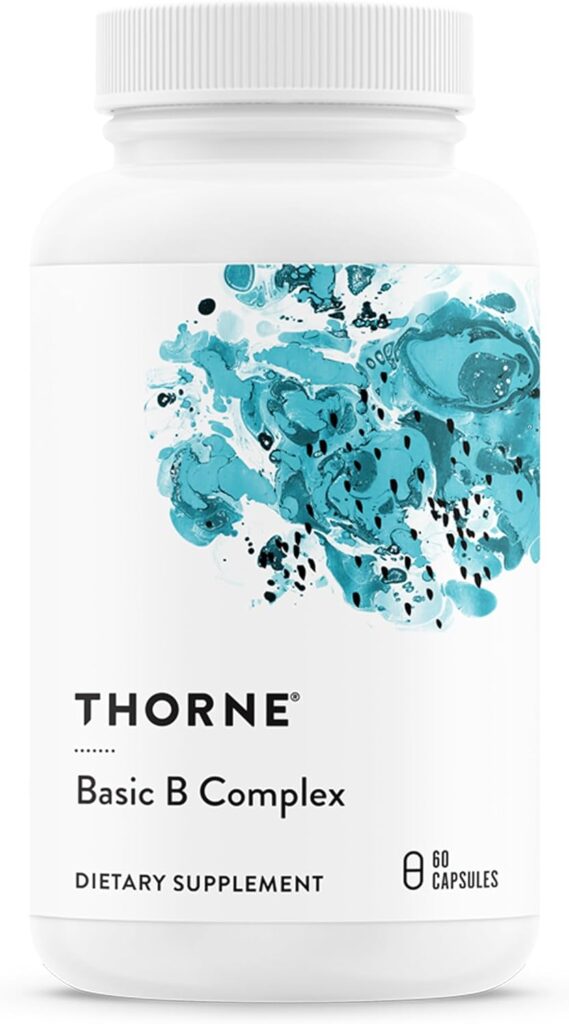
Thorne’s B-Complex uses tissue-ready, highly bioavailable forms of the B vitamins rather than the cheaper synthetic forms found in many budget multivitamins — a meaningful difference for people whose fatigue stems from an actual absorption or conversion issue rather than simple dietary shortfall. Thorne is trusted by over 100 professional sports teams and is consistently rated the most recommended clinical-grade brand among healthcare practitioners.
Best for Stress-Related Fatigue: Swiss BioEnergetics Rhodiola & Ashwagandha with L-Theanine
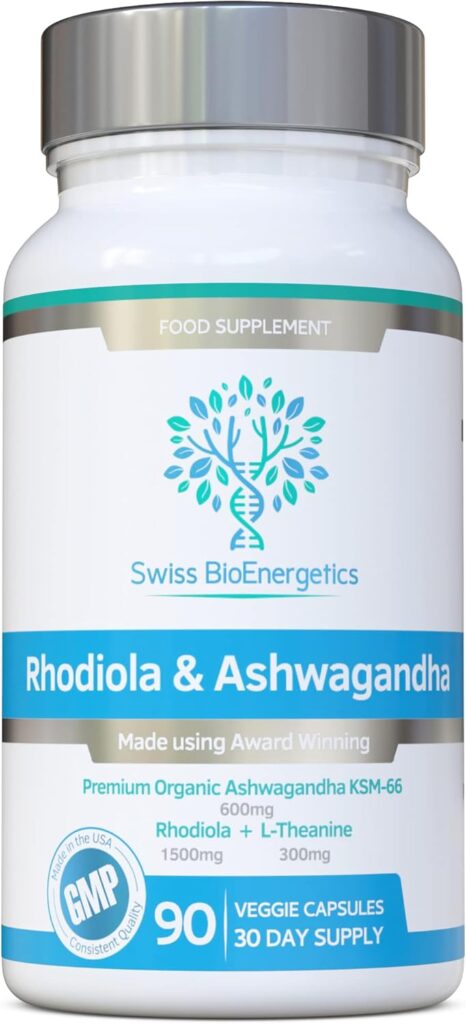
This combination formula pairs properly standardized rhodiola (3% rosavins, 1% salidrosides) with award-winning KSM-66 ashwagandha extract — the specific extract used in over 20 human clinical trials — plus L-theanine for additional calm-focus support without caffeine. Combining rhodiola’s mild stimulation with ashwagandha’s calming cortisol support addresses the HPA axis from both directions, which is why this pairing appears so consistently across evidence-based fatigue protocols.
Best for Mitochondrial Support: Thorne CoQ10
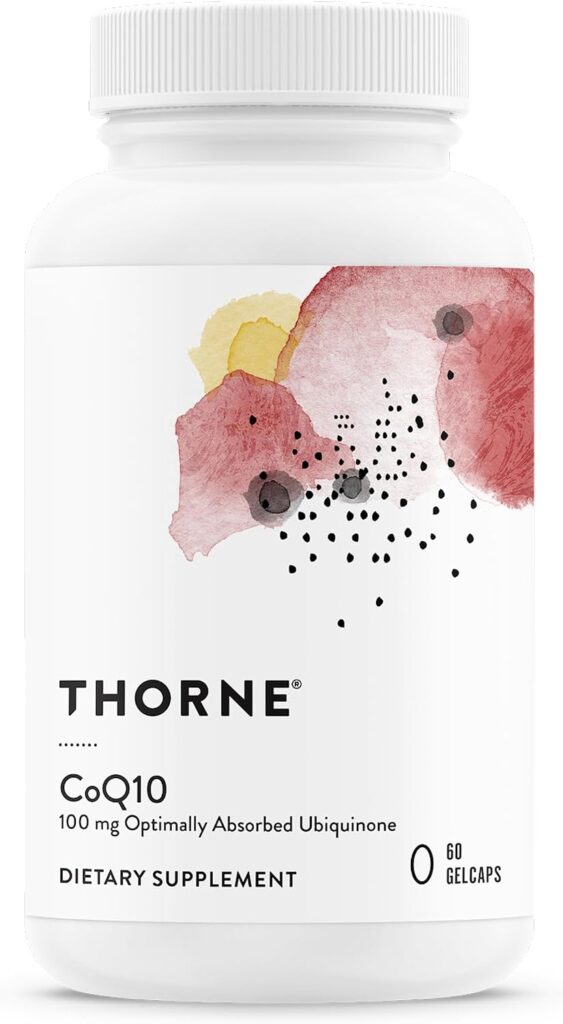
Thorne’s CoQ10 is formulated for optimal absorption at a clinically relevant 100mg dose, third-party certified for quality and purity. This is the right starting point for anyone whose fatigue pattern points toward age-related decline or statin-related CoQ10 depletion rather than a stress or deficiency cause — the mitochondrial energy-production angle that B vitamins and adaptogens don’t directly address.
Lifestyle Factors That Matter as Much as Any Supplement
Sleep quality: The CDC reports more than a third of American adults regularly fail to get adequate sleep — and no supplement compensates for a genuine sleep deficit. If sleep is the actual root cause, addressing it directly matters more than any pill. See our natural remedies for insomnia guide for evidence-based approaches.
Blood sugar stability: Energy crashes tied to meal timing and composition are common and fixable through balanced meals rather than supplementation — a genuine factor worth ruling out before assuming a deeper cause.
Hydration: Even mild dehydration measurably affects energy levels and cognitive performance — one of the simplest and most overlooked contributors to daytime fatigue.
Frequently Asked Questions
Can I take a B-complex, rhodiola, and CoQ10 all together?
Yes — they address different mechanisms (nutritional deficiency, stress response, and cellular energy production respectively) and don’t have known negative interactions with each other. If your fatigue has multiple contributing factors, addressing more than one category can make sense, though it’s still worth identifying your primary driver first rather than taking everything at once by default.
How long before I notice a difference?
It varies by category. B-complex and iron typically show improvement within 2–4 weeks, but only if an actual deficiency was present. Rhodiola’s effects on acute stress and mental fatigue can appear within days to two weeks. CoQ10 requires the longest runway — typically 4–8 weeks — since it works through gradual cellular-level changes rather than an immediate effect.
Should I get tested before taking supplements for fatigue?
For nutritional deficiency fatigue specifically, yes — testing ferritin, B12, vitamin D, and thyroid function is the only reliable way to confirm whether a deficiency is actually driving your fatigue, rather than guessing and supplementing blindly. This is especially important for iron, since excess supplementation without a confirmed deficiency carries genuine health risks.
Is rhodiola or ashwagandha better for fatigue?
It depends on your specific pattern. Rhodiola is mildly stimulating and better suited to acute mental fatigue and situations requiring alertness — take it earlier in the day. Ashwagandha is calming and better suited to chronic stress and sleep-related fatigue — take it in the evening. Many people benefit from both together, which is why combination formulas pairing the two are common.
Can statins cause fatigue through low CoQ10?
Statin medications are known to reduce the body’s natural CoQ10 production as a mechanism of how they work, and this has been linked to fatigue in some patients. If you take a statin and experience unexplained fatigue, this is worth discussing with your doctor — CoQ10 supplementation is a reasonable consideration in this specific context, ideally under medical guidance given your existing medication.
The Bottom Line
The most effective approach to fatigue starts with identifying which of the three categories actually applies to you — nutritional deficiency, stress-related HPA axis dysregulation, or mitochondrial decline — rather than reaching for whatever supplement is trending. B-complex and iron address genuine deficiencies. Rhodiola and ashwagandha address the stress-driven pattern many people actually experience. CoQ10 addresses the cellular energy production angle that becomes more relevant with age or statin use.
For related content on stress and its role in overall health, see our guides on natural remedies for anxiety and natural remedies for high blood pressure, both of which touch on the same stress-response mechanisms relevant to fatigue.
This article is for informational purposes only. Persistent or severe fatigue can indicate an underlying medical condition. Always consult a qualified healthcare provider before starting any supplement, and seek proper testing to identify the actual cause of your fatigue before self-treating.