
This post contains affiliate links. If you buy through our links we may earn a small commission — at no extra cost to you. This never influences our recommendations.
This article is for informational purposes only and does not constitute medical advice. Always consult a qualified healthcare provider before starting any supplement, particularly if you have a compromised immune system, are undergoing chemotherapy, or have a serious digestive condition.
The probiotic aisle has become a wall of inflated CFU counts and vague promises. A widely shared Reddit post summarized six months of research bluntly: “I spent 6 months reading the probiotic research. The supplement industry is selling most of you something that doesn’t work.” That’s an overstatement — but the underlying frustration points at something real, and it’s worth understanding before you spend money on the wrong product.
The CFU Number on the Label Is Mostly a Distraction
This is the single most important thing to understand before buying any probiotic. A 2024 meta-analysis found that higher CFU counts showed no consistent correlation with better outcomes — meaning a “100 billion CFU” product isn’t automatically more effective than a well-dosed “10 billion CFU” one. What actually correlated with real results: using strains with condition-specific clinical evidence, not raw bacterial headcount.
Probiotic efficacy is strain-specific, not just species-specific — a 2025 meta-analysis in the journal Gut Microbes reaffirmed that health benefits can’t be extrapolated from genus or species alone; the exact strain identifier matters. This is why “Lactobacillus” on a label tells you almost nothing on its own — Lactobacillus rhamnosus GG and a generic, unstudied Lactobacillus strain can behave completely differently in your gut, despite sharing a genus name.
Match the Product to Your Actual Goal
General Daily Gut Health — The Case for a Single, Well-Studied Strain
Lactobacillus rhamnosus GG (LGG) is the single most-studied probiotic strain in the world, backed by over 1,000 published clinical trials spanning more than 30 years of research. It has demonstrated benefits for diarrhea prevention, antibiotic-associated digestive disruption, and general intestinal barrier support, and it’s specifically documented to survive stomach acid to reach the intestines intact — not a given for every probiotic strain, many of which are substantially destroyed before they arrive where they’re needed.
The case for a single-strain LGG product is simplicity: one well-dosed strain with decades of evidence, rather than a proprietary blend of strains with uneven or absent individual research.
IBS-Related Bloating and Discomfort — A Different Strain Entirely
Bifidobacterium infantis 35624 (marketed under the patented name Bifantis) has specific, meaningful clinical evidence for reducing abdominal discomfort and bloating associated with IBS — a different mechanism and different research base than LGG’s general digestive evidence. This is precisely why strain-matching to your actual symptom pattern matters more than picking the product with the biggest CFU number: a strain studied for IBS-specific bloating isn’t interchangeable with one studied for antibiotic-associated diarrhea, even though both are technically “probiotics.”
Comprehensive Multi-Strain Support — When Diversity Has Its Own Evidence
Multi-strain formulas aren’t automatically better than single-strain ones — remember, more strains and higher CFU doesn’t reliably mean more benefit. But some multi-strain products distinguish themselves by publishing trials on the actual finished formulation, not just citing isolated studies on each individual strain in isolation. This is a meaningfully higher evidence bar: a product tested as a complete formula tells you how those specific strains behave together, not just how each behaves alone.
The Realistic Timeline
Gut microbiome changes are gradual, not immediate. Take any probiotic consistently for at least 4-6 weeks before judging whether it’s working — skipping doses or stopping early effectively resets the clock, since a stable shift in your gut’s bacterial population takes sustained, daily input to establish. Some people notice initial changes (often mild bloating or gas as the gut adjusts) within the first 10-14 days, with more meaningful digestive changes typically following after several more weeks of consistent use.
Best Probiotics — Verified Picks
Best for General Daily Gut Health: Culturelle Digestive Daily
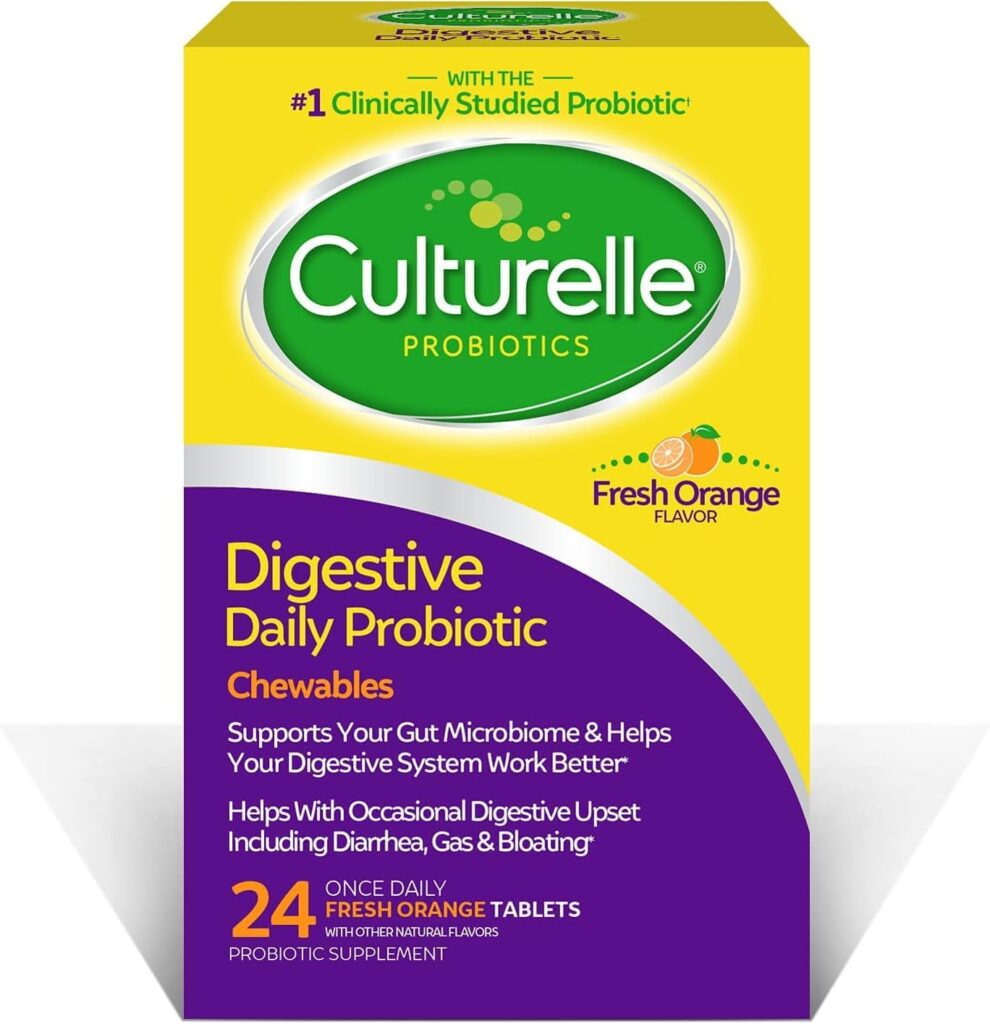
10 billion CFU of Lactobacillus rhamnosus GG per capsule — the exact dosage used in the clinical trials showing benefits for digestive health, immune support, and antibiotic-associated diarrhea prevention. No proprietary blend, no inflated CFU marketing, no subscription model — just the most-studied strain available at a clinically validated dose. This is the straightforward, evidence-first choice for anyone without a specific symptom pattern who wants general daily gut support.
Best for IBS-Related Bloating: Align Probiotic
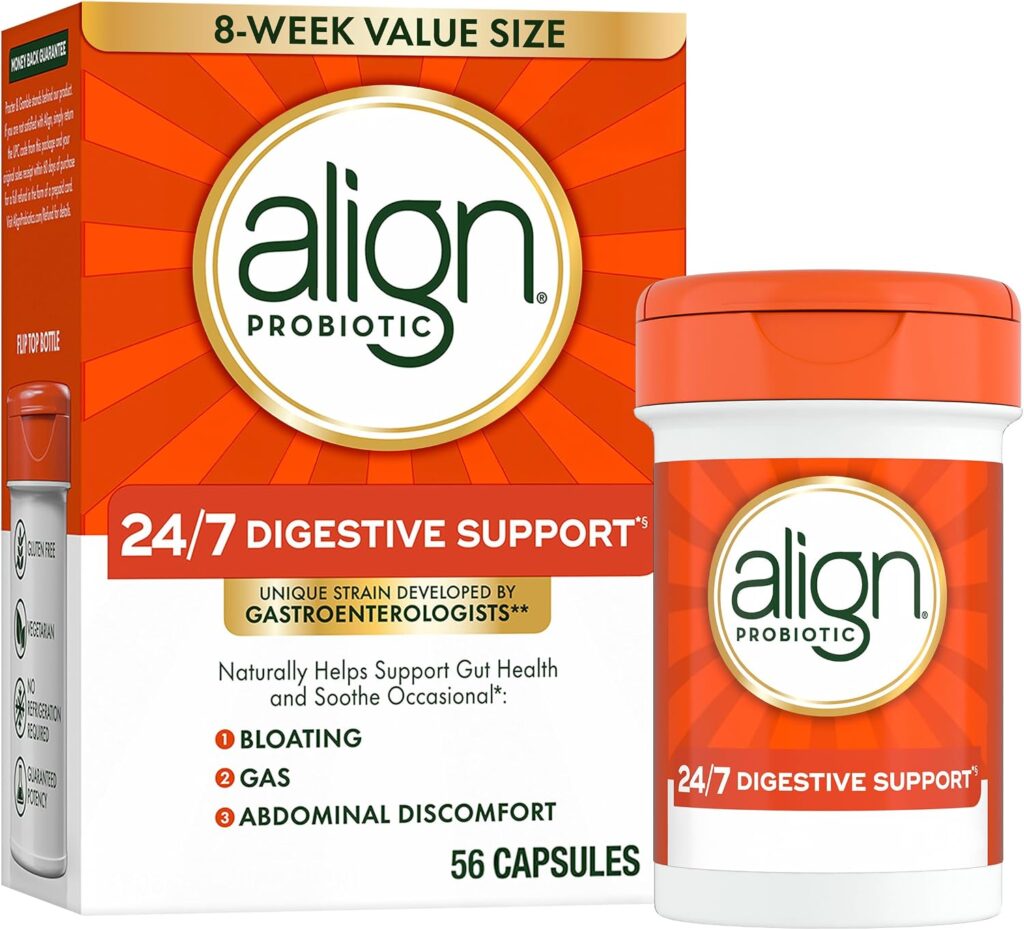
Align has been the #1 probiotic recommended by gastroenterologists for over 15 consecutive years, built around the patented Bifidobacterium infantis 35624 strain — developed by gastroenterologists and backed by over 20 years of dedicated research specifically on this strain’s effects on abdominal discomfort, gas, and bloating. Each production lot is DNA tested to confirm the strain is present at guaranteed potency, addressing a real quality-control concern in a supplement category where label accuracy isn’t always reliable.
Best Comprehensive Multi-Strain: Seed DS-01 Daily Synbiotic
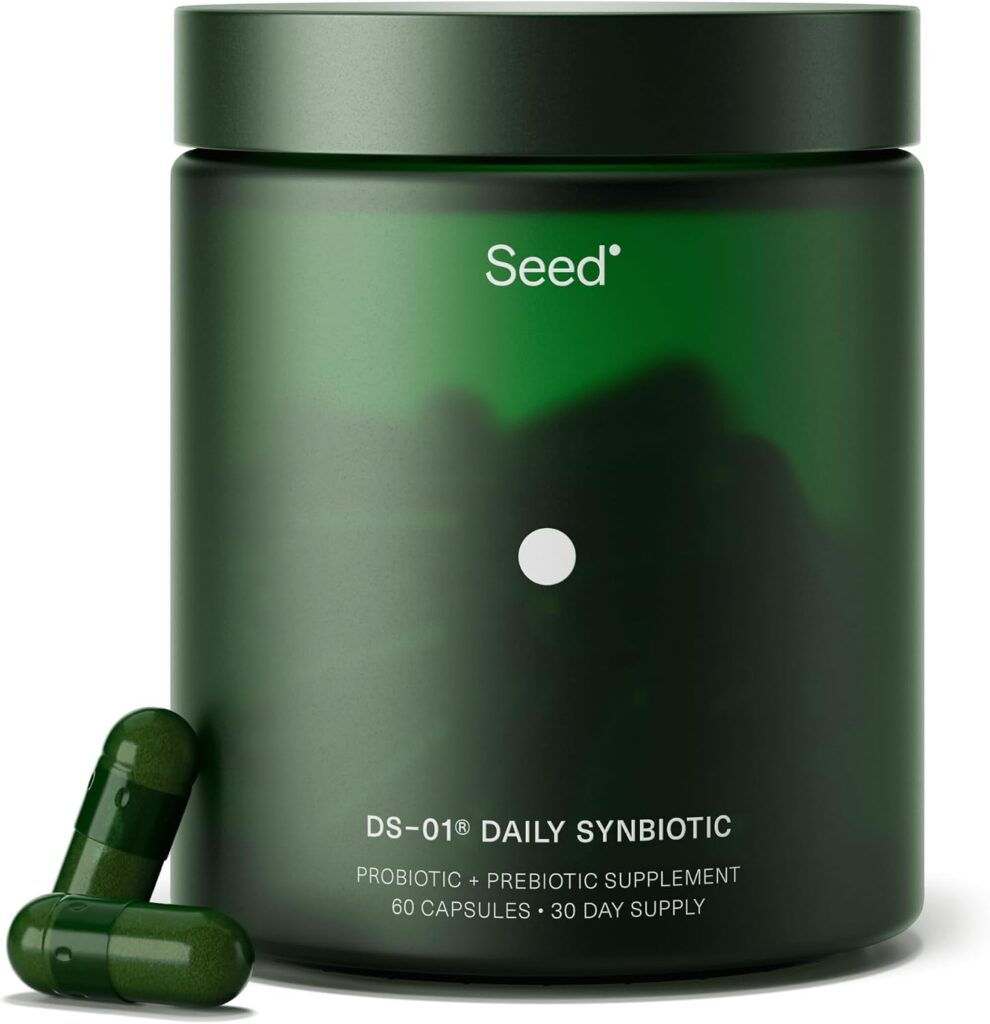
24 clinically studied strains at 53.6 billion AFU, with each strain individually identified by its full alphanumeric research code — genuine label transparency rather than a vague “proprietary blend.” Seed’s capsule-in-capsule design physically separates the probiotic strains from the prebiotic fiber, specifically engineered to help live bacteria survive stomach acid based on in-vitro digestive simulation testing. Distinctively, Seed has published clinical trial data on the actual finished DS-01 formulation itself — the largest clinical trial for a probiotic on bloating and gas in healthy adults at the time of publication — rather than only citing separate studies on each strain individually.
What to Check Before Buying Any Probiotic
Named strains with full identifiers, not just genus and species. “Lactobacillus rhamnosus GG” tells you something verifiable; “Lactobacillus blend” does not.
CFU count guaranteed through expiration, not just at manufacture. Bacterial potency degrades over a product’s shelf life — a label claiming “50 billion CFU” that only holds true on the day it was bottled, with no guarantee through the expiration date, is a meaningfully weaker claim than one that is.
Third-party testing by a named certifier. Look for verification from an independent lab (NSF International and similar organizations are commonly cited), confirming the label’s CFU claims and screening for contamination.
Delivery mechanism. Acid-resistant capsules or a delayed-release design meaningfully improve how many live organisms actually survive stomach acid to reach the intestines — a strain with excellent research behind it delivers little benefit if it’s destroyed before arrival.
Frequently Asked Questions
Does a higher CFU count mean a more effective probiotic?
No — a 2024 meta-analysis specifically found no consistent correlation between higher CFU counts and better outcomes. What matters more is whether the specific strains included have condition-specific clinical evidence at the dose provided, not the raw bacterial headcount on the label.
How long does it take for probiotics to actually work?
Take any probiotic consistently for at least 4-6 weeks before judging effectiveness — gut microbiome changes are gradual, and skipping doses resets the adjustment process. Some people notice initial changes (sometimes mild bloating as the gut adjusts) within the first 10-14 days, with more meaningful digestive changes typically following several weeks of sustained use.
Which probiotic strain is best for bloating specifically?
Bifidobacterium infantis 35624 has the most specific clinical evidence for IBS-related bloating and abdominal discomfort among widely available single-strain products, which is why it’s the strain gastroenterologists most consistently recommend for this particular symptom pattern.
Can I take a probiotic every day long-term?
For most healthy adults, daily long-term use of a well-studied strain at a clinically validated dose is standard practice and reflected in how most of the underlying research is structured. If you have a compromised immune system or a serious digestive condition, talk to your doctor before starting any probiotic, since certain populations warrant more caution.
Is it better to get probiotics from food or supplements?
Fermented foods (yogurt, kefir, sauerkraut, kimchi) contribute to a diverse gut microbiome and are a reasonable part of an overall diet, but they typically don’t deliver a guaranteed, consistent dose of a specific clinically studied strain the way a supplement does. Dietary fiber diversity, feeding the beneficial bacteria you already have, remains more foundational than any single probiotic strain or food — supplements are a targeted addition, not a replacement for overall diet quality.
The Bottom Line
The probiotic aisle rewards strain-specific evidence, not the biggest CFU number on the label. For general daily gut health, Lactobacillus rhamnosus GG (Culturelle) has the deepest and longest research history of any single strain available. For IBS-related bloating specifically, Bifidobacterium infantis 35624 (Align) has the most targeted evidence. For comprehensive, transparently-labeled multi-strain support, Seed’s DS-01 stands out for publishing trial data on its actual finished formulation rather than isolated strain studies alone. Whichever you choose, give it a genuine 4-6 week trial before judging results.
For related content on evidence-based supplementation, see our guides on natural remedies for low energy and fatigue and herbs for inflammation.
This article is for informational purposes only. Always consult a qualified healthcare provider before starting any supplement, particularly if you have a compromised immune system or a serious digestive condition.