
This post contains affiliate links. If you buy through our links we may earn a small commission — at no extra cost to you. This never influences our recommendations.
This article is for informational purposes only and does not constitute medical advice. Always consult a qualified healthcare provider before starting fish oil supplementation, particularly if you take blood thinners, have a scheduled surgery, or have an existing cardiovascular condition.
“Fish oil” gets talked about as if it’s one thing, but two major cardiovascular trials using different fish oil formulations reached opposite conclusions — one showed real benefit, the other showed none and was stopped early. That difference tells you more about which product actually matters for your goal than any generic “take fish oil for your heart” advice ever could.
EPA and DHA — Two Different Fatty Acids With Different Jobs
Fish oil contains two primary omega-3 fatty acids, and they’re not interchangeable. EPA (eicosapentaenoic acid) is primarily associated with anti-inflammatory effects and triglyceride reduction. DHA (docosahexaenoic acid) is critical for cell membrane integrity and has been linked to beneficial changes in heart rate and rhythm. Most standard fish oil supplements combine both in roughly equal amounts — but as the evidence below shows, that combination isn’t always the right choice depending on what you’re targeting.
The Trial Discrepancy Worth Understanding: REDUCE-IT vs STRENGTH
This is the single most important piece of context for anyone considering fish oil for cardiovascular reasons. The REDUCE-IT trial tested a purified, high-dose EPA-only formulation in patients at elevated cardiovascular risk and found a meaningful reduction in cardiovascular events — a result strong enough that the specific formulation was approved as a prescription medication (Vascepa). The STRENGTH trial, by contrast, tested a standard EPA+DHA combination formulation in a similarly high-risk population of over 13,000 patients — and found no difference between the treatment and placebo groups, leading researchers to terminate the trial early.
Researchers aren’t entirely certain why the two trials diverged, but the leading explanation points directly at formulation: REDUCE-IT’s purified, concentrated EPA-only approach may work through a mechanism that a standard EPA+DHA blend doesn’t replicate as effectively. This isn’t a settled scientific question, but it’s a genuinely important piece of context — “fish oil helps your heart” is an oversimplification that the actual trial data doesn’t fully support across every formulation.
An Honest Update on the Atrial Fibrillation Concern
Older research raised a real concern that fish oil supplementation might increase the risk of atrial fibrillation (AFib), an irregular heart rhythm. More recent, more sophisticated research has meaningfully clarified this picture. A 2025 analysis using UK Biobank data measured people’s actual circulating omega-3 blood levels — not just self-reported supplement use — and found that higher blood omega-3 levels were associated with lower AFib risk, not higher. Once researchers accounted for actual omega-3 levels achieved in the body, supplement use itself did not appear to increase AFib risk.
The practical takeaway: earlier studies that only tracked whether someone reported taking a supplement — without confirming whether it actually raised their blood omega-3 levels — likely produced misleading results. This doesn’t mean fish oil carries zero cardiac risk in every context, but the AFib concern specifically appears less alarming under more rigorous, biomarker-based research than earlier headlines suggested.
What the Broader Evidence Supports
Beyond the specific cardiovascular trial data, decades of cohort research consistently link higher fish and marine omega-3 intake to lower cardiovascular disease risk, likely through several overlapping mechanisms — improved blood lipid profiles, reduced blood pressure, better heart rate variability, reduced platelet aggregation, and anti-inflammatory effects. The American Heart Association has recommended roughly 1 gram per day of combined EPA+DHA for people with documented coronary heart disease for over two decades, generally preferring dietary sources (fatty fish) with supplements considered in consultation with a doctor.
A separate 2025 trial in dialysis patients (a genuinely high-risk population) found high-dose fish oil reduced major cardiovascular events by 43% — a substantial effect specifically in a high-risk clinical population, not necessarily generalizable to healthy adults taking fish oil preventively.
Genuine Safety Considerations
High-dose EPA formulations specifically carry documented safety considerations worth discussing with a doctor: an increased risk of bleeding and a modestly elevated risk of atrial fibrillation at higher doses in some populations, even as the broader AFib picture has grown more reassuring at typical supplemental doses. Anyone on blood thinners, anyone with a scheduled surgery, or anyone with an existing arrhythmia should specifically discuss fish oil supplementation — dose and formulation both matter — with their physician before starting.
Choosing the Right Formula for Your Goal
| Your Goal | Better Formula |
|---|---|
| General cardiovascular and overall health support | Standard EPA+DHA combination |
| Specifically targeting the evidence base behind REDUCE-IT (high cardiovascular risk, elevated triglycerides) | Purified, concentrated EPA-forward formula — discuss with your doctor |
| Brain, cognitive, and eye health specifically | DHA-forward or balanced EPA+DHA formula |
| Joint and inflammation support | Standard EPA+DHA combination — see our natural remedies for joint pain guide |
Best Omega-3 Supplements
Best General-Purpose Formula: Nordic Naturals Ultimate Omega
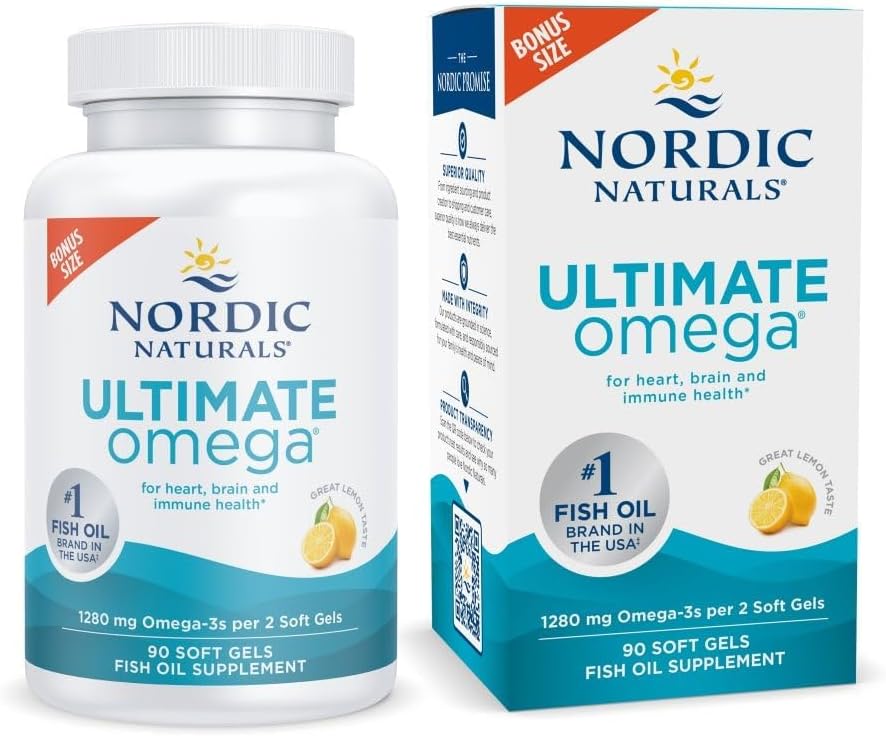
The #1 selling omega-3 brand in the US, delivering a balanced EPA+DHA combination in the triglyceride molecular form — the structure naturally found in fish, associated with better absorption than the cheaper ethyl ester form used in many budget fish oils. Sourced from wild-caught fish and third-party tested, this is the right general-purpose choice for most people not specifically targeting the high-EPA cardiovascular research discussed above.
Best High-EPA Formula: Nordic Naturals ProEPA
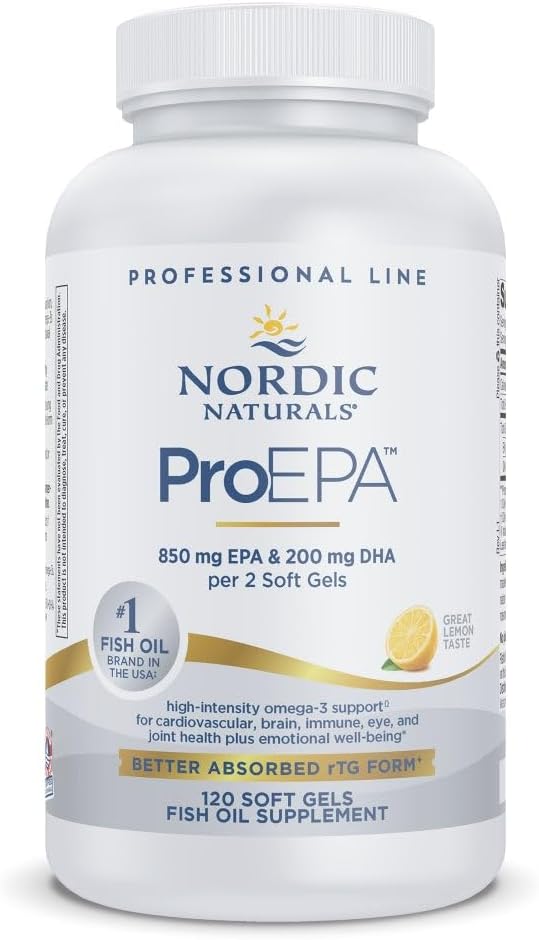
A concentrated, EPA-forward formula delivering 1,210mg of omega-3s per serving with EPA as the dominant fatty acid — the formulation category more aligned with the REDUCE-IT trial evidence discussed above, rather than a standard balanced EPA+DHA blend. Also in the triglyceride molecular form for optimal absorption, non-GMO, and third-party tested. This is the more targeted choice specifically if you and your doctor have discussed pursuing a high-EPA approach for cardiovascular risk factors.
Frequently Asked Questions
Does fish oil actually help heart health, or is the evidence mixed?
It’s genuinely nuanced rather than a simple yes or no. Purified, high-dose EPA formulations showed meaningful cardiovascular benefit in the REDUCE-IT trial, strong enough to earn FDA approval as a prescription medication. A standard EPA+DHA combination formulation showed no benefit in the separate STRENGTH trial. The specific formulation appears to matter more than “fish oil” as a general category.
Does fish oil increase the risk of atrial fibrillation?
More recent research using actual blood omega-3 measurements (rather than just self-reported supplement use) found that higher blood omega-3 levels were associated with lower AFib risk, and that supplement use itself didn’t appear to increase risk once actual omega-3 levels were accounted for. Earlier concerns based on less precise data appear to have been somewhat overstated, though high-dose EPA formulations specifically still carry documented bleeding risk considerations worth discussing with a doctor.
What’s the difference between EPA and DHA?
EPA is primarily associated with anti-inflammatory effects and triglyceride reduction. DHA is critical for cell membrane integrity and is particularly important for brain and eye health. Most standard fish oil supplements combine both; some specialized formulas concentrate one over the other depending on the specific health goal.
How much fish oil should I take daily?
The American Heart Association has recommended roughly 1 gram per day of combined EPA+DHA specifically for people with documented coronary heart disease, generally favoring dietary sources like fatty fish, with supplements considered in consultation with a doctor. There’s no single universal dose for general health — talk to your doctor about what’s appropriate for your specific situation and goals.
Should I choose a high-EPA formula or a balanced EPA+DHA formula?
It depends on your goal. A balanced EPA+DHA formula is the reasonable general-purpose choice for most people. A concentrated, high-EPA formula is more specifically aligned with the cardiovascular risk-reduction evidence from the REDUCE-IT trial — worth discussing with your doctor if you have elevated cardiovascular risk factors or high triglycerides specifically.
The Bottom Line
“Take fish oil for your heart” is true, but incomplete — the specific formulation genuinely matters, as demonstrated by two major trials using different fish oil types reaching opposite conclusions. A standard, balanced EPA+DHA formula remains a reasonable general-health choice for most people. A concentrated, high-EPA formula is the more evidence-aligned choice specifically for the cardiovascular risk-reduction research discussed in this guide — and that distinction is worth bringing to your doctor rather than assuming any fish oil product delivers the same benefit.
For related content on inflammation and joint health, see our guides on natural remedies for joint pain, herbs for inflammation, and natural remedies for high blood pressure.
This article is for informational purposes only. Always consult a qualified healthcare provider before starting fish oil supplementation, particularly if you take blood thinners, have a scheduled surgery, or have an existing cardiovascular condition.