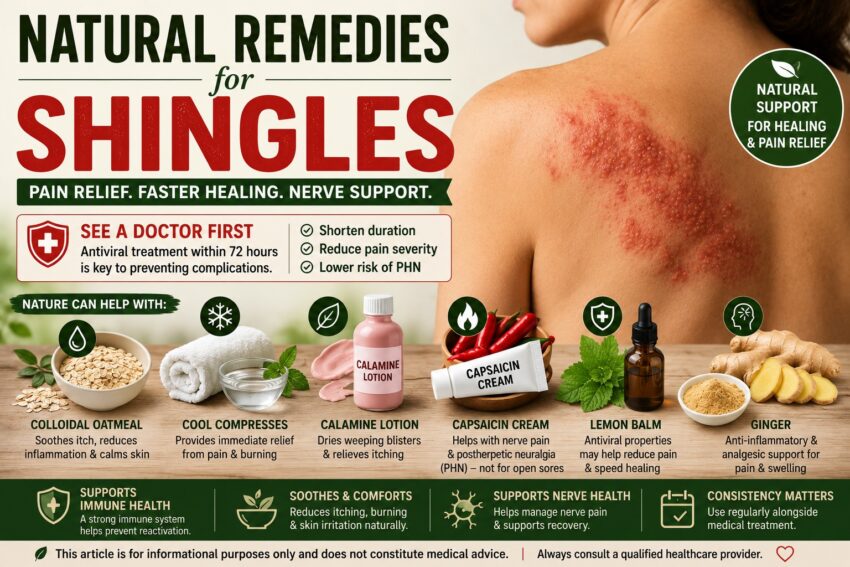
This article is for informational purposes only and does not constitute medical advice. Shingles is a medical condition requiring prompt professional evaluation and treatment. Always consult a qualified healthcare provider — ideally within 72 hours of symptom onset.
See a Doctor First — This Is Non-Negotiable
If you think you have shingles, natural remedies are not where to start. This matters enough to say clearly before anything else.
Shingles is treated with antiviral medications — acyclovir, valacyclovir, or famciclovir — and these medications are most effective when started within 72 hours of rash onset. Started early, antivirals significantly shorten the duration of the active infection, reduce pain severity, speed blister healing, and — most importantly — substantially reduce the risk of postherpetic neuralgia (PHN), the chronic nerve pain that can last months or years after the rash heals.
The American Academy of Dermatology (AAD) and the CDC both recommend prompt medical evaluation and antiviral treatment for shingles. This is not a condition where watchful waiting is the appropriate first response.
Go to the emergency room immediately — do not wait — if:
- The rash is near or involves your eye or the tip of your nose (suggests zoster ophthalmicus — can cause blindness)
- The rash is on your face or ear (suggests Ramsay Hunt syndrome — can cause facial paralysis and hearing loss)
- You are immunocompromised (HIV, cancer treatment, organ transplant, high-dose steroids)
- You have a fever above 38.5°C (101.3°F) with severe headache or stiff neck
- The rash is spreading rapidly or affecting large areas of your body
- You are in severe, unmanageable pain
Natural remedies have genuine value for shingles — for managing discomfort, supporting healing, reducing itch, and addressing nerve pain including PHN. They work alongside antiviral treatment, not instead of it.
What Is Shingles? Understanding What You’re Dealing With
Shingles (herpes zoster) is caused by the reactivation of the varicella-zoster virus — the same virus responsible for chickenpox. After a chickenpox infection, the virus lies dormant in nerve tissue indefinitely. In some people, it reactivates when the immune system’s surveillance of the virus is reduced by age, stress, illness, or immunosuppressive medication.
Shingles affects approximately 1 in 3 Americans at some point in their lifetime. The risk increases significantly after age 50 and continues rising with age.
The three stages:
Prodromal phase (1–5 days before rash): Pain, burning, tingling, or itching on one side of the body, often along a band or stripe. Sometimes fever, headache, and fatigue. The rash hasn’t appeared yet — this burning, one-sided pain is often the first clue.
Active rash phase (7–10 days): A red rash appears on one side of the body or face, following the path of a nerve. The rash progresses to fluid-filled blisters that break open, crust over, and heal. This is the most contagious phase — blister fluid contains live virus that can cause chickenpox in non-immune people.
Post-rash phase: The rash heals, but for 10–18% of shingles patients — and up to 30% in patients over 70 — significant pain persists for months or even years. This is postherpetic neuralgia (PHN), the most feared complication of shingles and the primary reason early antiviral treatment matters so much.
Natural Remedies for Shingles Pain and Discomfort
Cool Compresses — Immediate Relief
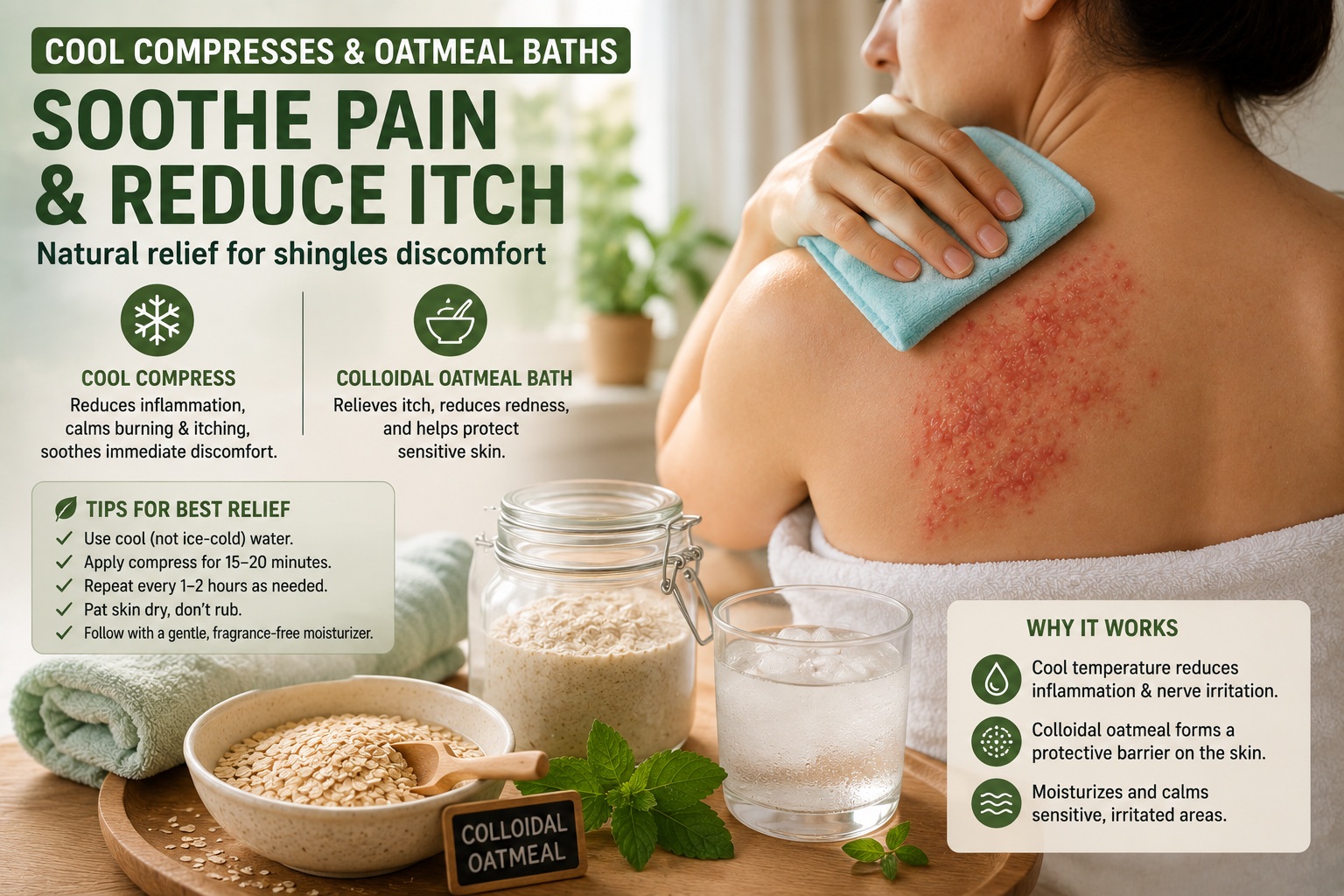
A cool, damp compress applied to the affected area is the most immediately effective home remedy for shingles discomfort. The cool temperature reduces local inflammation, calms the burning pain, and temporarily relieves the intense itch. The moisture keeps blisters from drying out too quickly, which can increase cracking and discomfort.
How to use: Soak a clean cloth in cool (not ice cold) water, wring out, and apply gently to the rash for 15–20 minutes. Repeat every 1–2 hours during the most intense phase. Never use ice directly on the rash — it can damage already-sensitive skin. Use a clean cloth each time to prevent bacterial infection of open blisters.
Colloidal Oatmeal Baths — Itch and Inflammation
Colloidal oatmeal (finely ground oats suspended in water) has recognized anti-inflammatory, antipruritic (anti-itch), and skin-barrier-protective properties. The FDA recognises colloidal oatmeal as a safe and effective skin protectant. A 15–20 minute cool bath with colloidal oatmeal addresses both the itch and skin inflammation simultaneously.
How to use: Add 1 cup of colloidal oatmeal (available in pharmacies) to a cool bath. Soak for 15–20 minutes. Pat dry gently — don’t rub. Apply a fragrance-free moisturiser immediately after. Use cool or tepid water only — hot water dilates blood vessels and intensifies pain and itching.
Calamine Lotion — Traditional Topical Relief
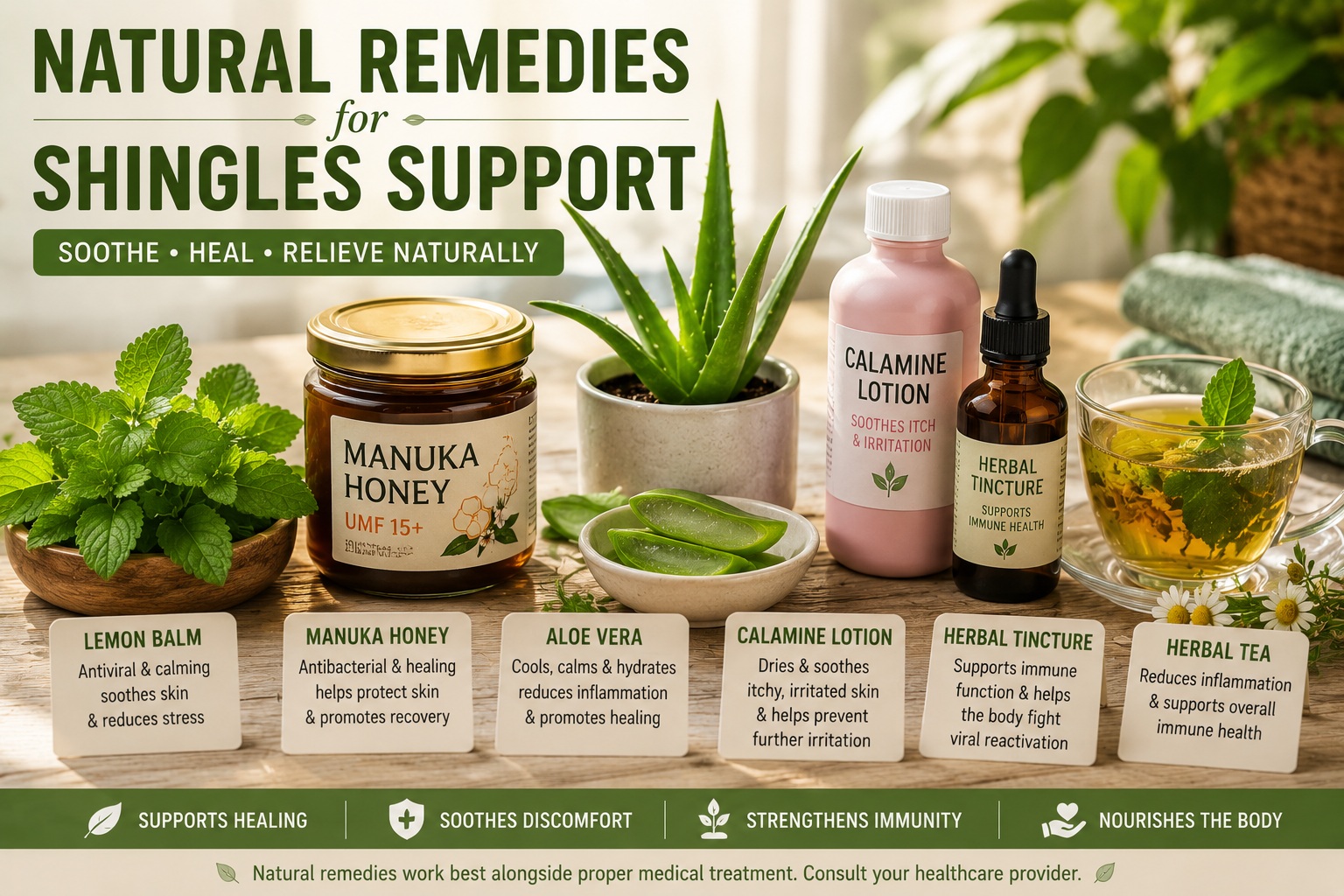
Calamine lotion (zinc oxide and ferric oxide) has mild antipruritic and skin-drying properties that reduce itch and help dry weeping blisters. Applied to the rash, it provides a cooling sensation and reduces the urge to scratch — important because scratching open blisters risks bacterial superinfection.
How to use: Apply plain calamine lotion directly to the rash with a clean cotton ball. Allow to dry. Reapply as needed. Avoid heavily fragranced or medicated calamine products.
Capsaicin — For Postherpetic Neuralgia
Capsaicin — the active compound in chilli peppers — depletes substance P, a neurotransmitter involved in transmitting pain signals. Topical capsaicin cream (0.025–0.075% concentration) is supported by clinical evidence for reducing the chronic nerve pain of postherpetic neuralgia. A Cochrane Database meta-analysis found topical capsaicin significantly reduced chronic neuropathic pain including PHN.
Critical timing: Never apply capsaicin to active shingles blisters or broken skin — it will cause intense burning and worsen the situation. Capsaicin is only appropriate for postherpetic neuralgia, after the rash has fully healed and persistent nerve pain remains.
How to use: Apply a thin layer of 0.025–0.075% capsaicin cream to the healed affected area 3–4 times daily, wearing gloves and washing hands immediately after. Expect initial burning that reduces with repeated use over 1–2 weeks.
Manuka Honey — Antiviral and Wound Support
Manuka honey has documented antiviral activity against varicella-zoster virus in laboratory studies. A study published in Complementary Therapies in Medicine found medical-grade manuka honey inhibited VZV replication in cell culture. It also provides excellent wound-healing support for crusting and healing blisters.
How to use: Apply medical-grade Manuka honey (UMF 10+ or MGO 250+) to blisters that are crusting and healing — not to actively weeping or open blisters. Cover lightly with a non-stick dressing. Apply once or twice daily. Do not use during the active weeping blister phase.
Herbal and Supplement Remedies With Evidence
Lemon balm (Melissa officinalis) contains rosmarinic acid and polyphenols that have demonstrated antiviral activity against herpes family viruses in clinical trials. A cream containing 1% lemon balm extract significantly reduced healing time and symptom severity in herpes labialis studies. Applied to early or healing shingles lesions, it is safe and plausible based on its mechanism. Lemon balm tea also provides systemic anti-inflammatory and anxiolytic support that reduces the stress component of viral reactivation.
St. John’s Wort (Hypericum perforatum) has antiviral and analgesic properties. Hypericin — one of its primary active compounds — has laboratory activity against herpesviruses. Hypericum oil applied topically has long traditional use in European herbal medicine for nerve pain and neuralgia. Important: St. John’s Wort has serious drug interactions — particularly with antivirals (acyclovir, valacyclovir), antidepressants, and blood thinners. Do not take St. John’s Wort internally while on antiviral medication without medical guidance.
Licorice root — glycyrrhizin, its primary active compound, has demonstrated antiviral activity against varicella-zoster virus in laboratory studies, inhibiting viral replication. A Japanese study found IV glycyrrhizin reduced shingles severity and duration. Topical licorice root preparations and oral licorice root tea may provide modest supportive antiviral benefit. Avoid in high blood pressure, kidney disease, or pregnancy. Use short-term only.
Vitamin C at therapeutic doses (1,000–2,000mg daily in divided doses) supports immune function, collagen production for skin healing, and provides antioxidant support during active infection. Observational studies have noted lower vitamin C status in patients with more severe shingles. Food sources — citrus, kiwi, red bell peppers — are the safest form.
L-Lysine — an essential amino acid — competes with arginine (which herpesviruses require to replicate) for absorption, reducing viral replication potential. Established evidence for herpes simplex with similar mechanism for VZV. Supplementing with 1,000–3,000mg daily during an outbreak, combined with reducing high-arginine foods, is commonly recommended in integrative medicine.
Vitamin B12 (methylcobalamin form, 1,500–3,000mcg daily) supports nerve repair and may reduce PHN severity and duration. A study in the Journal of Pain found B12 supplementation significantly reduced postherpetic neuralgia pain. Particularly important in people with low B12 status.
Dietary Approaches That Support Recovery
Immune-supporting foods: Colourful vegetables, berries, citrus (vitamin C), garlic and onions (quercetin and allicin), leafy greens (folate), and mushrooms (beta-glucans). Zinc-rich foods — oysters, pumpkin seeds, beef, chickpeas — support immune function and skin healing.
The arginine-lysine balance: Herpesviruses use arginine to replicate. During a shingles outbreak, reduce high-arginine foods: nuts (especially peanuts and almonds), seeds, chocolate, coconut, oats, and gelatin. Increase lysine-rich foods: fish, chicken, eggs, dairy, legumes.
Hydration: Aim for at least 8–10 glasses of water daily during active infection. Adequate hydration supports immune function and helps clear the metabolic byproducts of viral infection.
Protein: The immune system and skin healing both require adequate protein. Prioritise protein-rich foods (eggs, fish, poultry, legumes) at every meal during recovery.
What to Apply to the Shingles Rash — And What to Avoid
Safe topical approaches: Cool compresses, colloidal oatmeal, calamine lotion, plain fragrance-free moisturiser on healing areas, and medical-grade manuka honey on crusting lesions.
Keep blisters clean: Gently wash the rash area twice daily with mild soap and water. Pat dry with a clean cloth. Cover with a non-stick sterile dressing if clothing rubs on the area.
Avoid these topically:
- Essential oils applied undiluted — too concentrated and irritating for broken skin
- Any product containing alcohol — painful and drying on open lesions
- Bandages or dressings that stick to blisters — use non-adherent dressings only
- Scratching — introduces bacteria, risks scarring, and may worsen nerve damage
Signs of bacterial superinfection requiring medical attention: Increasing redness and swelling beyond the rash border, warmth, pus rather than clear fluid, fever, and increasing rather than decreasing pain.
Managing Postherpetic Neuralgia Naturally
PHN — the chronic nerve pain that persists after the rash heals — affects roughly 1 in 10 shingles patients overall and up to 1 in 3 patients over age 70. Early antiviral treatment significantly reduces PHN risk.
Capsaicin cream (0.025–0.075%): The most evidence-supported natural approach for PHN. Apply 3–4 times daily to the healed affected area. Requires consistent application for 2–4 weeks before full benefit develops.
Alpha lipoic acid (ALA): An antioxidant with documented nerve-protective and pain-reducing properties. Typical dose: 300–600mg daily. Reduces oxidative stress in nerve tissue and supports nerve repair.
Methylcobalamin (active B12): 1,500–3,000mcg daily supports myelin sheath repair and reduces neuropathic pain. Particularly important if B12 status is low.
Mind-body approaches: Mindfulness meditation, gentle yoga, and breathing practices reduce the central sensitization component of chronic pain. A systematic review found mindfulness-based interventions significantly reduced chronic pain intensity — these are appropriate adjuncts to PHN treatment.
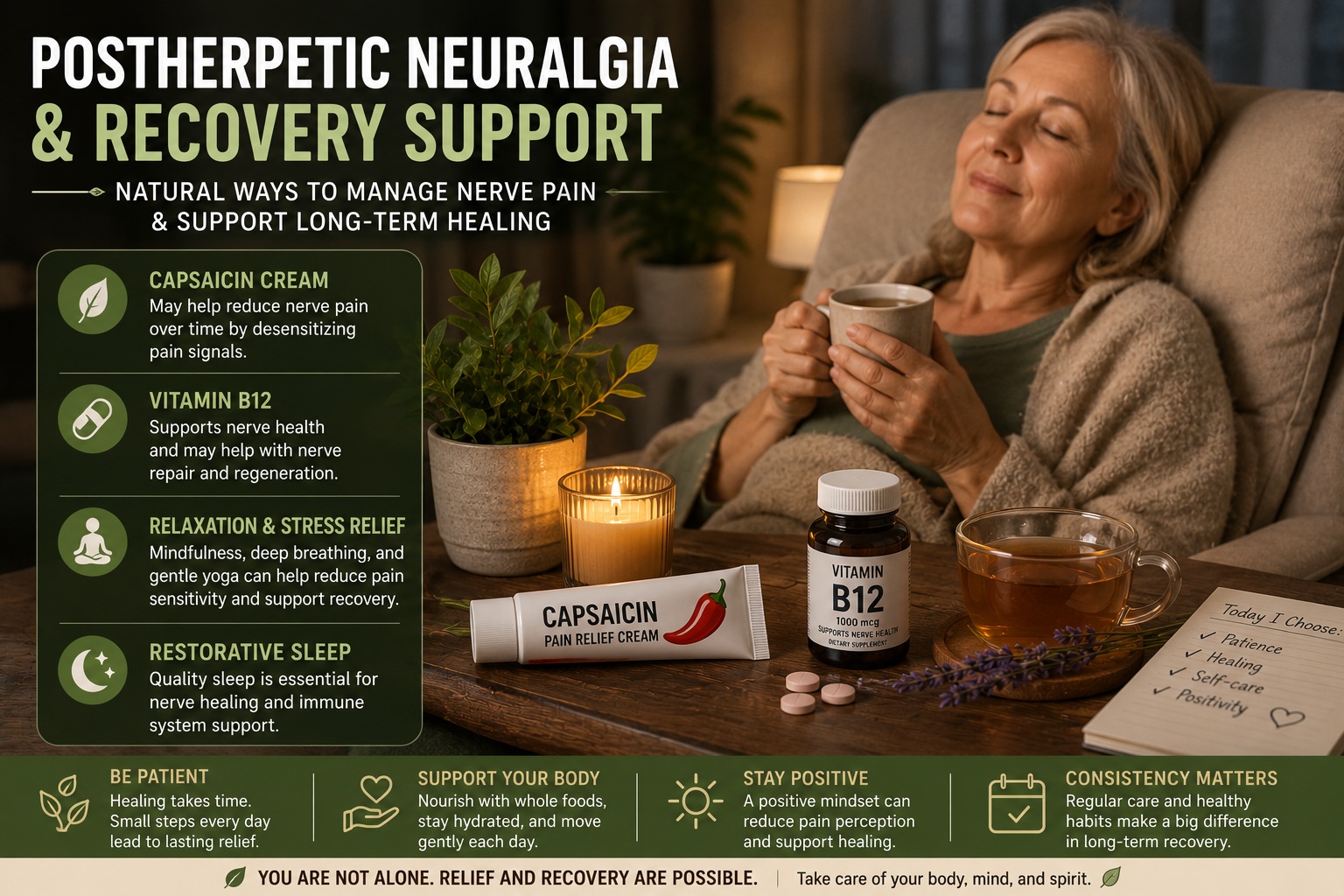
If PHN is severe: Medical treatments (gabapentin, pregabalin, tricyclic antidepressants, high-concentration capsaicin patches) are significantly more effective than natural approaches for severe PHN. Natural remedies are appropriate complements but not substitutes for medical management of significant postherpetic neuralgia.
Shingles and the Immune System — Supporting Recovery
Rest and sleep: The immune system does most of its repair work during sleep. Prioritise 8–9 hours during the active infection phase. Don’t push through with normal activity levels.
Stress reduction: Psychological stress is one of the most reliable triggers for herpes virus reactivation. Chamomile tea, lemon balm tea, meditation, and gentle movement all support the parasympathetic nervous system response that counteracts stress.
Zinc: Essential for immune cell function and antiviral defence. Zinc supplementation at 15–30mg daily during an acute viral infection is appropriate. Zinc picolinate or zinc lozenges are the most bioavailable forms.
Avoid immune suppressants: During active shingles, avoid alcohol and excessive sugar. If you are on regular corticosteroid medication, notify your treating doctor immediately — corticosteroids can worsen shingles severity.
When to Go to the Emergency Room
Shingles near or involving the eye: Involvement of the tip of the nose (Hutchinson’s sign) suggests the ophthalmic branch of the trigeminal nerve is affected — the same nerve supplying the eye. Herpes zoster ophthalmicus can cause corneal scarring and permanent vision loss. This is an ophthalmic emergency.
Facial or ear rash: Ramsay Hunt syndrome occurs when shingles affects the facial nerve — causing severe ear pain, hearing loss, vertigo, and facial paralysis. Requires urgent antiviral treatment and often corticosteroids.
Immunocompromised patients: HIV infection, cancer (especially haematological malignancies), organ transplantation, or high-dose corticosteroids all significantly increase the risk of disseminated zoster — a serious and potentially life-threatening complication.
Fever with headache and stiff neck: Suggests possible encephalitis or meningitis — rare but serious complications.
Widespread rash beyond one dermatome: Standard shingles follows one nerve path on one side. Rash crossing the midline or involving multiple areas suggests disseminated disease.
Shingles Vaccine — The Most Important Prevention Tool
If you haven’t had shingles yet, the most powerful step you can take is vaccination. Shingrix — the recombinant zoster vaccine recommended by the CDC — is more than 90% effective at preventing shingles in adults aged 50 and over, and over 85% effective at preventing postherpetic neuralgia. It remains highly effective even in adults over 70 who are at highest risk.
The CDC recommends two doses of Shingrix for all immunocompetent adults over 50, regardless of whether they’ve had shingles before or received the older Zostavax vaccine. No herbal remedy, supplement, or dietary intervention comes close to the preventive effect of Shingrix. If you’re over 50 and haven’t been vaccinated, this is the single most important step in shingles prevention.
Frequently Asked Questions
Can shingles be treated at home naturally?
Natural remedies can meaningfully support shingles recovery and manage symptoms — but shingles cannot be adequately treated with home remedies alone. Antiviral medications are the evidence-based standard of care and must be started within 72 hours of rash onset for maximum effect. Natural remedies are valuable alongside antivirals for pain relief, itch management, skin healing, and immune support — but are not a substitute for medical treatment.
How long does shingles last?
The active rash phase typically lasts 7–10 days, with blisters crusting over and healing within 2–4 weeks. Most people recover fully within 3–5 weeks. Postherpetic neuralgia affects 10–18% of patients and can last months to years — longer in older patients. Starting antivirals promptly significantly reduces both the duration of active infection and the risk of PHN.
What helps shingles pain at night?
Cool compresses before sleep, loose comfortable clothing over the affected area, calamine lotion for itch, and over-the-counter analgesics (ibuprofen, paracetamol) can help. Chamomile or lemon balm tea before bed supports relaxation. For significant nighttime pain, discuss gabapentin or other medications with your doctor — this level of pain often requires prescription treatment.
What makes shingles worse?
Heat worsens shingles pain and itch — hot baths, heating pads, and hot environments all intensify symptoms. Stress accelerates viral reactivation. Scratching introduces bacteria and risks superinfection. Tight clothing rubbing on the rash causes significant pain. Alcohol impairs immune function. High-arginine foods feed the virus. And delaying antiviral treatment allows the infection to become more severe and increases PHN risk.
Can you get shingles twice?
Yes — though relatively uncommon. Recurrence affects approximately 1–6% of patients, with higher risk in immunocompromised individuals. The Shingrix vaccine is recommended even for people who have already had shingles — it significantly reduces the risk of recurrence.
Final Thoughts
Shingles is painful, disruptive, and for some people, the beginning of months of nerve pain. The natural remedies in this article genuinely help — they reduce pain, manage itch, support skin healing, and address the nerve damage of postherpetic neuralgia. They’re worth using.
But they come after the antiviral prescription — not instead of it. If you develop the classic one-sided burning pain and rash, call your doctor or go to urgent care that day. The 72-hour window for maximum antiviral benefit is real and closes quickly.
And if you’re 50 or over and haven’t had Shingrix — that conversation with your doctor is the most useful outcome of reading this article.
This article is for informational purposes only and does not constitute medical advice. Shingles requires prompt medical evaluation and treatment. If you have or suspect you have shingles, contact a healthcare provider immediately — ideally within 72 hours of symptom onset. If symptoms are near your eyes, on your face, or you are immunocompromised, seek emergency care without delay.