Medical Disclaimer: This article is for informational purposes only and does not constitute medical advice. Natural remedies may relieve mild symptoms but are not a substitute for professional diagnosis or treatment. If you suspect pink eye, especially in a child or infant, consult a licensed healthcare provider. Never apply unverified substances directly to your eyes.
Pink Eye Is Miserable — But Not All Cases Are the Same
Your eye is red, itchy, crusty, and swollen. You’re desperately searching for anything that will make it stop. Before you reach for a home remedy, there’s one thing you need to get right first: what type of pink eye you actually have.
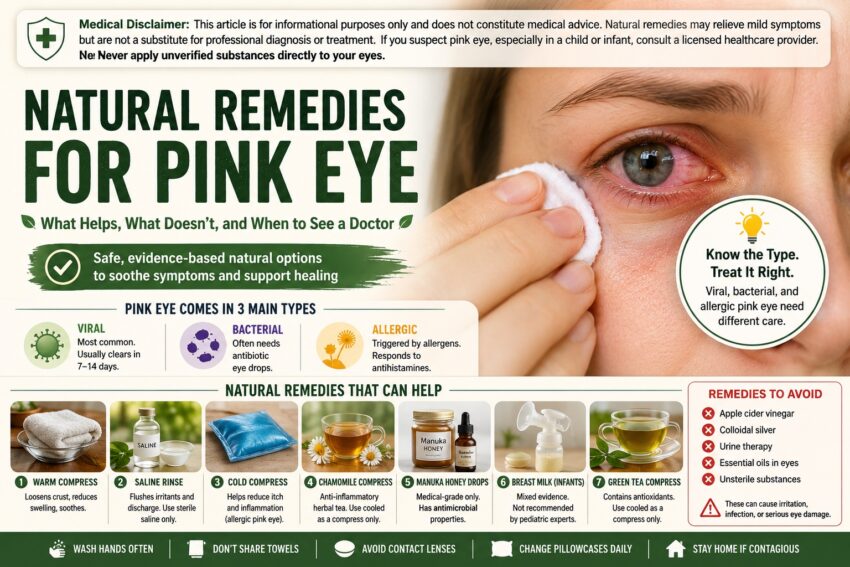
Conjunctivitis — the medical name for pink eye — comes in three main forms: viral, bacterial, and allergic. According to the CDC, viral conjunctivitis is the most common type and usually clears on its own within 7–14 days. Bacterial conjunctivitis often needs antibiotic eye drops. Allergic conjunctivitis responds to antihistamines and allergen avoidance.
Natural remedies can genuinely help manage symptoms — particularly for viral and allergic types. But they won’t cure a bacterial infection, and the wrong approach can make things worse.
Natural Remedies for Pink Eye That Are Actually Supported
1. Warm Compress (The Most Reliable Option)
A warm, damp compress is the single most consistently recommended home approach for pink eye — and it works across all three types. It loosens crusty discharge, reduces swelling, and provides real comfort.
Soak a clean cloth in warm (not hot) water, wring it out, and hold it gently against the closed eye for 5–10 minutes. Use a fresh cloth each time, and never share cloths between eyes or people. The American Academy of Ophthalmology (AAO) includes warm compresses as a standard comfort measure.
2. Saline Eye Rinse
Sterile saline solution can flush irritants, discharge, and allergens from the eye. For allergic conjunctivitis especially, rinsing the eye after outdoor exposure can reduce symptom load significantly.
Use only commercially prepared sterile saline — not homemade saltwater. Homemade solutions carry contamination risk, and introducing non-sterile fluid into an irritated eye is not a good idea. Sterile saline rinse products are widely available at pharmacies.
If you’re also dealing with dryness alongside irritation, the guidance in this article on dry eyes herbal remedies covers some overlapping options worth knowing about.
3. Cold Compress for Allergic Pink Eye
If your pink eye is allergy-driven — both eyes affected, lots of itching, seasonal timing — a cold compress often works better than a warm one. Cold constricts blood vessels and reduces the histamine-driven itch more effectively.
Same rules apply: clean cloth, sterile approach, don’t share.
4. Chamomile Tea Compress
Chamomile contains apigenin and azulene, compounds with documented anti-inflammatory properties. Some herbalists and naturopathic practitioners use cooled chamomile tea as a compress for irritated eyes.
The critical caveat: brew the tea, let it cool completely, and use it as a compress on the closed eyelid — not directly in the eye. Chamomile is also a known allergen for people sensitive to ragweed or other plants in the Asteraceae family. If that’s you, skip this one entirely.
There’s no large-scale clinical trial confirming chamomile cures conjunctivitis. But as a soothing compress for mild viral symptoms, the anti-inflammatory mechanism is at least plausible.
5. Honey (Specifically Manuka Honey Eye Drops)
Raw honey — particularly Manuka honey — has genuine antimicrobial properties. A 2016 study published in BMJ Open Ophthalmology found that medical-grade honey eye drops reduced symptoms of chronic dry eye and blepharitis. Some practitioners have explored its use in conjunctivitis.
However, do not put regular raw honey in your eyes. Standard honey is not sterile and can introduce harmful pathogens. If you’re interested in honey-based eye products, look specifically for sterile, medical-grade formulations designed for ophthalmic use — not a jar from your kitchen.
6. Breast Milk (For Infants — With Major Caveats)
You’ve probably seen this one circulate online. The theory: breast milk contains immunoglobulin A (IgA) and other immune factors that could fight eye infections in newborns.
The evidence is mixed. A 2019 randomized trial published in JAMA Ophthalmology found breast milk was no more effective than sterile saline for neonatal conjunctivitis. The American Academy of Pediatrics (AAP) does not recommend breast milk as a treatment for pink eye.
More importantly, breast milk is not sterile — it can carry bacteria including Staphylococcus, which could worsen a bacterial eye infection in a newborn. For any infant with eye discharge or redness, see a doctor first.
7. Green Tea Compress
Green tea contains EGCG (epigallocatechin gallate), an antioxidant with anti-inflammatory effects that has been studied in eye health contexts. Like chamomile, cooled green tea used as a compress on the closed eyelid — not applied directly into the eye — is a low-risk way to get mild soothing benefit.
Brew, cool fully, apply with a clean cloth. That’s it.
What to Skip: Remedies That Don’t Hold Up
Several popular “natural cures” for pink eye float around the internet with alarming regularity. Some are useless. Some are genuinely dangerous.
- Apple cider vinegar in the eye — Highly acidic. Will cause chemical burns. Do not do this.
- Colloidal silver eye drops — The FDA has stated there is no evidence colloidal silver is safe or effective for any condition, and it can cause irreversible skin and eye discoloration.
- Breast milk (in infants, unsupervised) — As covered above, it’s not sterile and the evidence doesn’t support it over saline.
- Urine therapy — Not supported by any credible evidence. Urine is not sterile despite the persistent myth.
- Essential oils applied directly to eyes — Even “natural” essential oils are potent irritants near mucous membranes. Keep them away from your eyes entirely.
If you’re dealing with another infection elsewhere and researching natural approaches more broadly, see our guide to natural remedies for ear infection — many of the same principles about when to treat at home versus when to see a doctor apply there too.
Hygiene Is the Real Treatment for Viral Pink Eye
Viral conjunctivitis — caused by adenoviruses, herpes simplex, or the same viruses behind the common cold — has no specific cure. The virus has to run its course. What you can do is manage symptoms and stop spreading it.
- Wash hands frequently, especially after touching your eyes
- Don’t touch your unaffected eye after touching the infected one
- Replace pillowcases daily
- Stop wearing contact lenses until fully healed
- Don’t share towels, makeup, or eye drops with anyone
- Stay home from work or school while actively symptomatic (viral pink eye is highly contagious)
The AAO emphasizes that viral conjunctivitis usually resolves without treatment. Your job is comfort management and containment — not cure.
Over-the-Counter Options Worth Knowing
These aren’t “natural” in the herbal sense, but they’re available without a prescription and are supported by evidence:
| Product Type | Best For | Notes |
|---|---|---|
| Preservative-free lubricating eye drops | All types — soothes irritation | Look for “preservative-free” to avoid further irritation |
| Antihistamine eye drops (e.g., ketotifen) | Allergic conjunctivitis | Available OTC; effective for itch and redness |
| Sterile saline eye wash | Flushing irritants/discharge | Use only sterile, commercial preparations |
| Warm compress pads | All types — loosens crust, reduces swelling | Reusable microwaveable versions available |
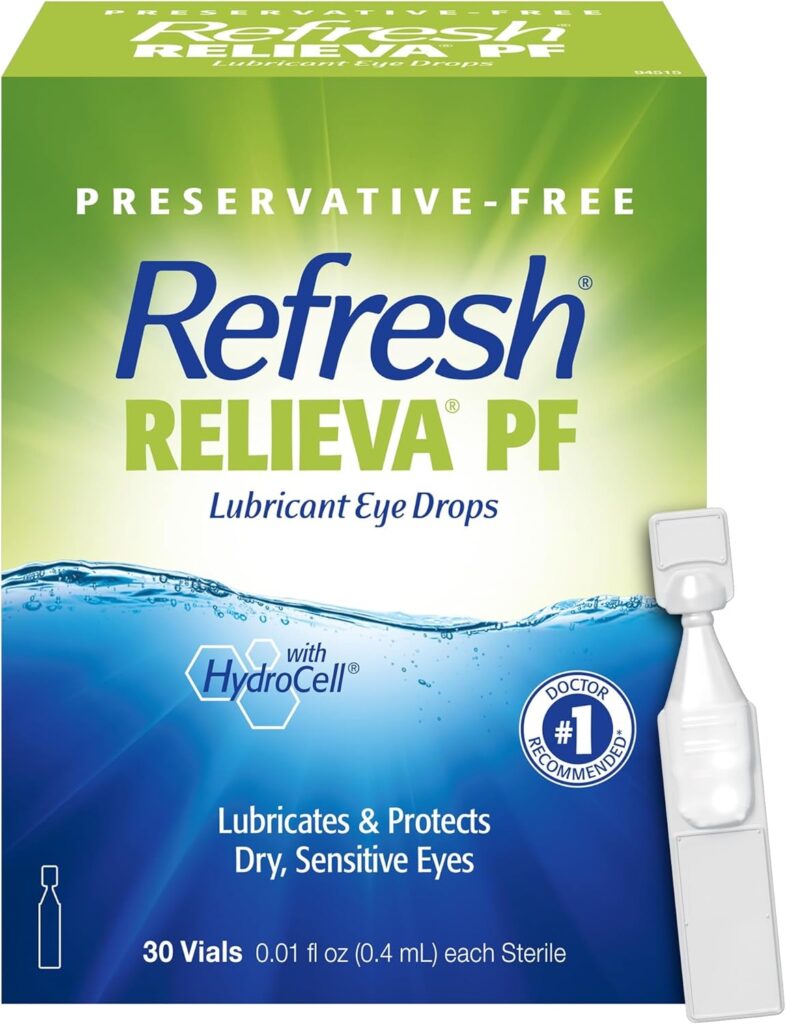
For preservative-free artificial tears, Refresh Relieva Preservative-Free Eye Drops are a well-regarded option you can find on Amazon.
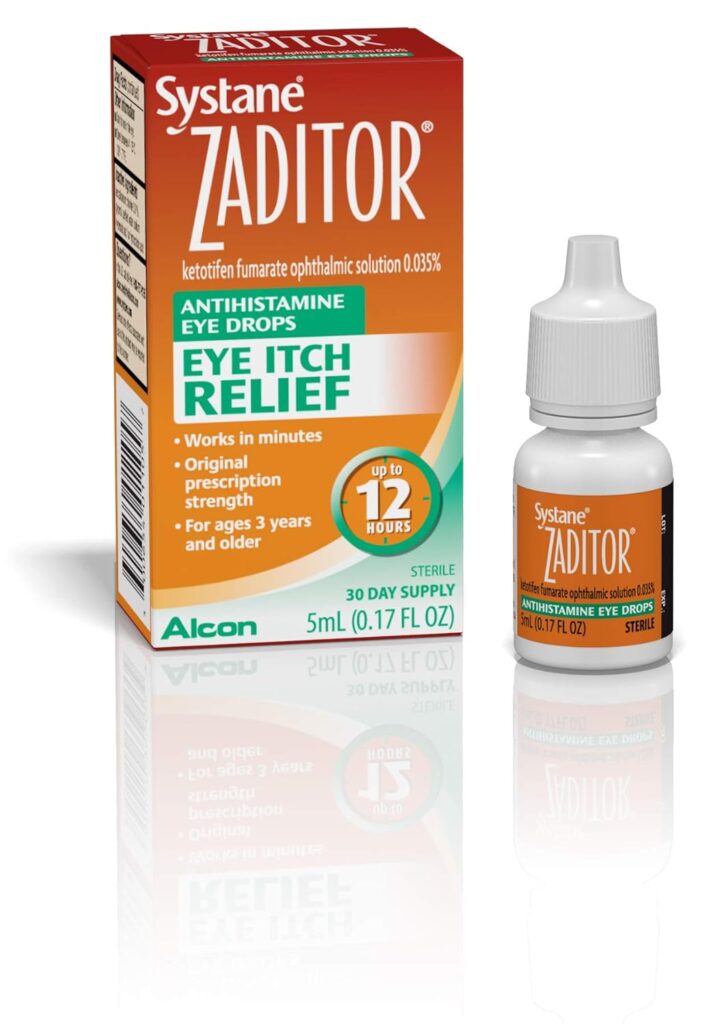
For allergic conjunctivitis, Zaditor Antihistamine Eye Drops contain ketotifen and are clinically supported.
When to See a Doctor
Most viral and mild allergic conjunctivitis resolves on its own. But there are situations where you need a professional, not a home remedy.
See a doctor if you experience any of the following:
- Symptoms don’t improve after 7–10 days
- Significant pain in the eye (not just irritation)
- Sensitivity to light (photophobia)
- Blurred vision that doesn’t clear when you blink
- Thick yellow or green discharge — especially in one eye — suggesting bacterial infection
- Symptoms in a newborn or infant under 3 months
- You wear contact lenses and have eye redness (risk of serious corneal infection)
- You have a compromised immune system
- Symptoms follow a chemical splash or eye injury
Bacterial conjunctivitis usually requires antibiotic eye drops. Herpes simplex conjunctivitis needs antiviral medication — not home remedies. Getting that wrong can damage your vision.
For context on how infections elsewhere in the body sometimes need medical intervention despite natural remedy interest, our article on natural remedies for shingles covers a similar situation where home support has a role but medical treatment is often essential.
Frequently Asked Questions
Can pink eye go away on its own without treatment?
Viral pink eye almost always resolves without treatment, typically within 1–2 weeks. Allergic conjunctivitis improves when the allergen is removed. Bacterial conjunctivitis can sometimes resolve on its own too, but antibiotic drops typically speed recovery and reduce the risk of spreading.
Is pink eye contagious?
Viral and bacterial conjunctivitis are both highly contagious. Allergic conjunctivitis is not contagious at all — it’s an immune response, not an infection. Strict hand hygiene and avoiding shared items are essential during active infection.
How do I know if my pink eye is viral or bacterial?
Bacterial pink eye typically causes thick, yellow-green discharge in one eye, often causing the eyelid to stick shut after sleep. Viral pink eye usually affects both eyes, produces watery discharge, and often follows a cold or upper respiratory infection. A doctor can confirm — especially if you’re unsure.
Can I use tea tree oil for pink eye?
No. Tea tree oil is far too concentrated to use near or in the eye and will cause serious irritation or chemical injury. This applies even when diluted. Keep all essential oils away from your eyes.
How long does pink eye last with home treatment?
Viral conjunctivitis: 7–14 days typically. Bacterial: 5–7 days with antibiotics, up to 2 weeks without. Allergic: as long as the allergen is present. Home remedies manage symptoms but don’t shorten the infectious timeline.
Are there natural antibiotic eye drops?
Nothing available over the counter has the same reliable antibacterial effect as prescription antibiotic eye drops for confirmed bacterial conjunctivitis. If you suspect bacterial infection, see a doctor rather than waiting on natural alternatives.
The Bottom Line on Natural Remedies for Pink Eye
Natural remedies for pink eye work best as symptom management, not cures. A warm compress, sterile saline rinse, and strict hygiene are the most evidence-supported approaches. For viral conjunctivitis — the most common type — these measures plus time are genuinely sufficient.
What they won’t do is clear a bacterial infection, treat herpes simplex conjunctivitis, or replace a doctor’s assessment when symptoms are severe or not improving. Know the limits, use what’s safe, and don’t put anything unsterile in your eyes.
If you’re exploring natural approaches to other common infections, our guide to natural remedies for cold sores covers another highly contagious condition where some remedies genuinely help and others fall flat.
Medical Disclaimer: This content is for informational purposes only. It is not a substitute for professional medical advice, diagnosis, or treatment. Always consult a qualified healthcare provider before starting any home treatment, particularly for eye conditions in children or infants. If you experience severe pain, vision changes, or worsening symptoms, seek medical care promptly.