This post contains affiliate links. If you buy through our links we may earn a small commission — at no extra cost to you. This never influences our recommendations.
This article is for informational purposes only and does not constitute medical advice. Anxiety disorders are serious medical conditions. Always consult a qualified healthcare provider before starting any supplement, particularly if you have a diagnosed anxiety disorder, are taking medications, or are pregnant. If you are experiencing a mental health crisis, please contact a crisis line or seek emergency care.
When Anxiety Needs Professional Support — Check This First
Natural remedies for anxiety work best as supportive measures for mild to moderate everyday stress and anxiety — not as replacements for professional mental health care when anxiety is significantly affecting your life.
Seek professional support if:
- Anxiety is significantly disrupting your work, relationships, or daily activities
- You experience panic attacks — sudden intense fear with physical symptoms (racing heart, shortness of breath, dizziness)
- Anxiety has persisted for six months or more despite self-help approaches
- You experience intrusive thoughts or compulsive behaviours related to anxiety (possible OCD)
- Anxiety is accompanied by persistent low mood or hopelessness
- You are using alcohol or other substances to manage anxiety
- You have thoughts of self-harm — please call or text the 988 Suicide and Crisis Lifeline immediately
Natural approaches — the subject of this article — are appropriate complementary support for everyday stress, situational anxiety, and mild generalised anxiety. For moderate to severe anxiety disorders, they work alongside professional treatment, not instead of it.
What Is Anxiety — The Biology Behind It
Anxiety is a normal and necessary emotion — the nervous system’s response to perceived threat. The problem with anxiety disorders is that this system becomes chronically overactivated, triggering fear responses to situations that don’t actually require them. Three biological systems are most relevant to understanding natural anxiety remedies:
The HPA axis — the hormonal stress response system that produces cortisol. Chronic stress keeps cortisol elevated, which perpetuates anxiety and disrupts sleep, digestion, and immune function. Adaptogens like ashwagandha work primarily here.
GABA (gamma-aminobutyric acid) — the brain’s primary inhibitory neurotransmitter — the “calm down” signal that counterbalances excitatory neurotransmitters. Benzodiazepine medications work by enhancing GABA. Several natural compounds — passionflower, valerian, lemon balm, magnesium — also support GABA activity through different mechanisms.
The autonomic nervous system — specifically the balance between sympathetic (fight-or-flight) and parasympathetic (rest-and-digest) activity. L-theanine increases alpha brain wave activity, shifting the nervous system toward a relaxed-alert state without sedation.
Understanding which system each remedy targets explains why different compounds suit different anxiety profiles — and why combining approaches that work through different mechanisms is more effective than relying on a single compound.
Natural Remedies for Anxiety — Ranked by Evidence
1. Ashwagandha (KSM-66) — Strongest Overall Evidence
Ashwagandha (Withania somnifera) is an adaptogenic herb from Ayurvedic medicine with the strongest clinical evidence of any herbal remedy for anxiety and stress. A review of five clinical trials found ashwagandha resulted in greater improvement in stress and anxiety than placebo across all five studies. A landmark double-blind, randomised, placebo-controlled study published in the Indian Journal of Psychological Medicine (Chandrasekhar et al., 2012) found that ashwagandha root extract at 300mg twice daily significantly reduced anxiety scores, reduced cortisol levels by 27.9% compared to placebo, and improved overall quality of life. A 2019 double-blind RCT published in Cureus confirmed these findings in insomnia and anxiety patients.
Ashwagandha acts primarily on the HPA axis — regulating cortisol output and reducing the chronic cortisol elevation that drives anxiety. It also increases GABA receptor activity, contributing a direct calming effect alongside its cortisol-lowering properties.
Why KSM-66 specifically matters: Not all ashwagandha supplements are equivalent. KSM-66 is a patented full-spectrum root extract standardised to a minimum of 5% withanolides — the form used in the majority of published clinical trials. Generic ashwagandha root powder may contain significantly fewer active compounds. KSM-66 or Sensoril standardised extracts are the only forms with consistent clinical support.
How to use: 300–600mg of KSM-66 extract daily, taken with food. Most clinical trials used 300mg twice daily (600mg total). Allow 4–8 weeks for full effect — ashwagandha’s cortisol-modulating benefits are cumulative. Take consistently rather than as needed.
Safety: Generally well-tolerated. Avoid during pregnancy. May interact with thyroid medications. May increase sedative effects of benzodiazepines. Discuss extended use with your doctor.
Recommended products:
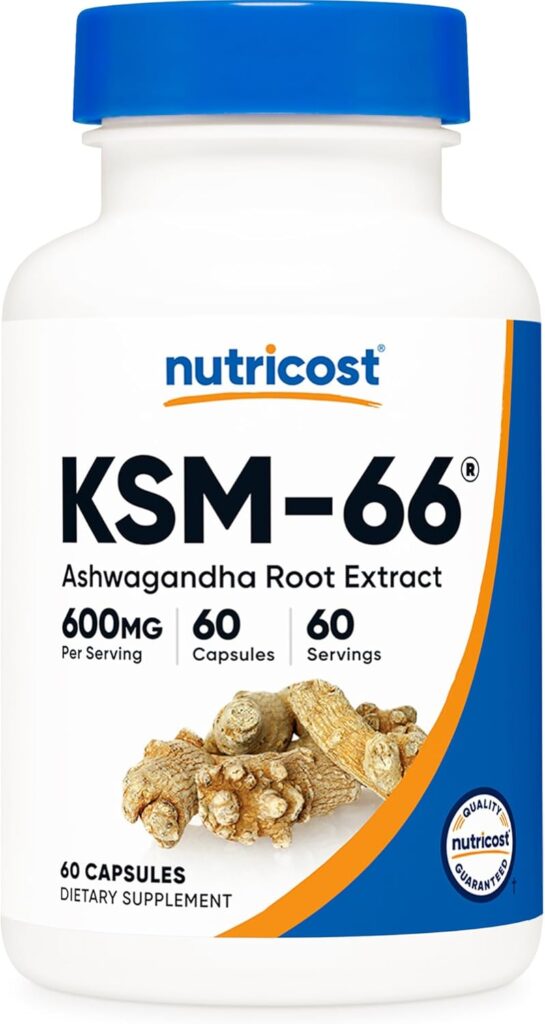
- Nutricost KSM-66 Ashwagandha 600mg — pure KSM-66 at the clinical dose, BioPerine for enhanced absorption, GMP-compliant, non-GMO. Best value for pure KSM-66.
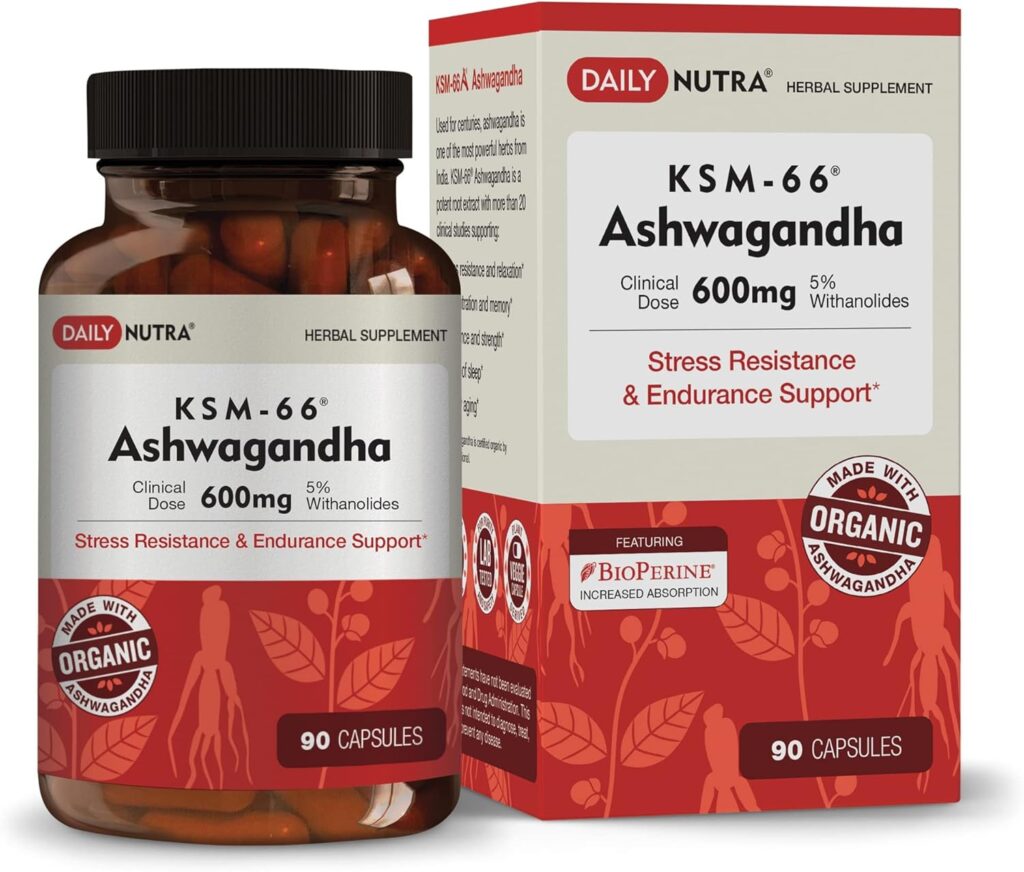
- DailyNutra KSM-66 Ashwagandha 600mg — organic, 5% withanolides verified, 600mg matching the dose used across 24+ published studies.
2. Magnesium Glycinate — The Foundational Deficiency Fix
Magnesium is a cofactor in over 300 enzymatic reactions — including the regulation of GABA (the brain’s primary calming neurotransmitter) and the suppression of cortisol release. Critically, approximately 45–68% of US adults are magnesium deficient — meaning a significant proportion of people experiencing anxiety may be doing so in part because of a remediable nutritional deficiency. The NIH Office of Dietary Supplements confirmed in 2026 that magnesium supplementation is associated with reductions in anxiety and stress outcomes across multiple studies.
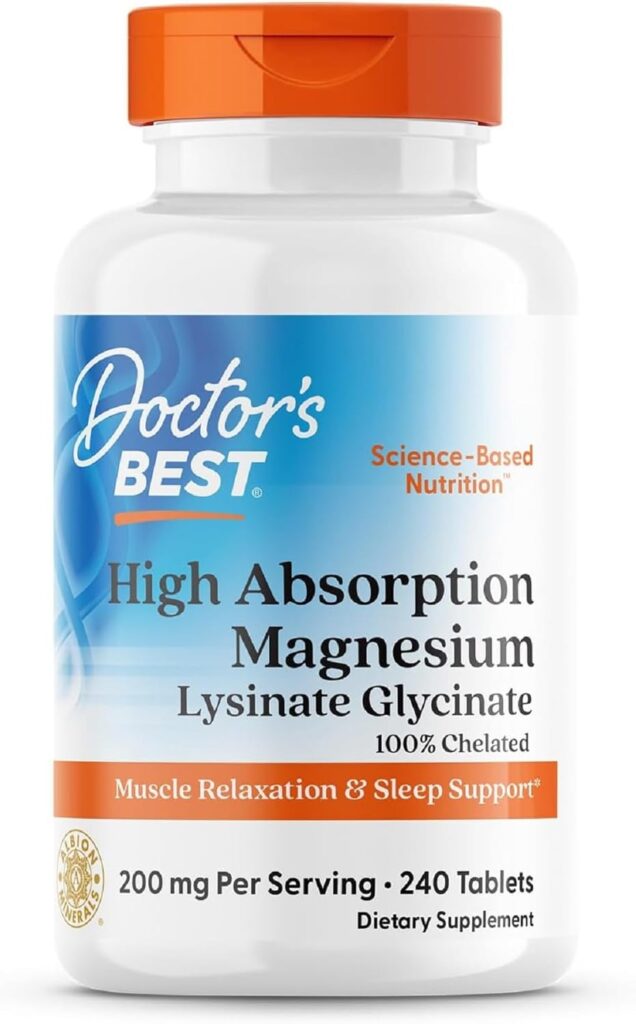
Why magnesium glycinate specifically: Magnesium oxide has poor bioavailability (~4%). Magnesium glycinate — bound to the amino acid glycine — has high bioavailability, gentle digestive tolerance, and the additional benefit that glycine itself has inhibitory neurotransmitter properties that contribute to the calming effect.
How to use: 200–400mg magnesium glycinate daily, taken in the evening. Sleep improvements often appear within 1–2 weeks; anxiety relief builds over several weeks. Food sources: dark leafy greens, pumpkin seeds, dark chocolate, avocado, legumes.
Safety: Very safe at doses up to 350mg/day from supplements. Doses above 400mg can cause loose stools. Avoid in kidney disease without medical supervision. Take 2 hours apart from certain antibiotics and bisphosphonates.
3. L-Theanine — Fastest-Acting Natural Anxiolytic
L-theanine is an amino acid found naturally in green and black tea — responsible for tea’s uniquely calming effect despite containing caffeine. It is one of the few natural compounds that produces noticeable anxiety-reducing effects within 30–60 minutes. L-theanine works by increasing alpha brain wave activity — the brain state associated with relaxed alertness. You remain mentally clear and functional but without the sympathetic activation (racing heart, muscle tension, intrusive thoughts) of anxiety. This “calm focus” effect is distinct from sedation.
A randomised controlled trial found L-theanine at 200mg/day for 4 weeks was better than placebo for anxiety, depression, and sleep quality in healthy individuals experiencing stress-related symptoms, and also resulted in improved cognitive function.
The important honest caveat: A 10-week study found L-theanine added to existing medication for generalised anxiety disorder provided no additional benefit over placebo for GAD specifically. L-theanine appears most effective for healthy individuals with high baseline stress rather than as an adjunct treatment for diagnosed GAD.
How to use: 100–200mg as needed for acute situational anxiety, or 200mg daily. Effects within 30–60 minutes. Often combined with caffeine (as in tea) to smooth out caffeine’s anxiogenic effects.
Safety: Excellent safety profile. Well-tolerated at up to 400mg/day. May slightly potentiate sedative medications — use with caution alongside sleep aids or benzodiazepines.
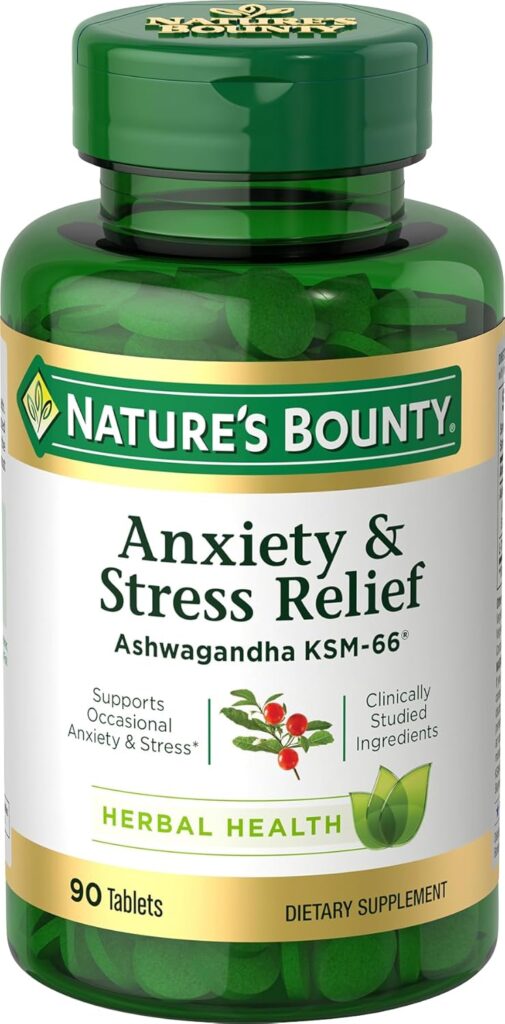
Recommended product: Nature’s Bounty Stress Relief — combines KSM-66 Ashwagandha with 200mg L-theanine per serving, addressing both the chronic cortisol pathway and acute alpha brain wave pathway in one product. Nature’s Bounty is a 50-year brand with consistent quality standards.
4. Passionflower — Strongest Evidence for Acute Anxiety
Passionflower (Passiflora incarnata) has the most impressive head-to-head clinical comparisons against pharmaceutical options of any herbal anxiety remedy. A landmark RCT published in the Journal of Clinical Pharmacy and Therapeutics compared passionflower extract to oxazepam (a benzodiazepine) in 36 GAD patients — both produced equivalent anxiety reductions on the Hamilton Anxiety Rating Scale (HAM-A), but passionflower caused significantly less impairment of job performance. A second trial found passionflower equivalent to midazolam for pre-surgical anxiety. A 2022 network meta-analysis found a mean HAM-A reduction of -4.20 for passionflower.
Passionflower works by enhancing GABA activity through a different mechanism than benzodiazepines, producing anxiolytic effects without the same degree of sedation or dependency risk. It works acutely (within 30–60 minutes) and suits situational anxiety particularly well.
How to use: 250–350mg standardised extract, 30–60 minutes before an anxiety-provoking situation, or 2–3 times daily for ongoing support.
Safety: May cause drowsiness at higher doses — avoid before driving. May potentiate sedative medications — avoid with benzodiazepines. Not recommended during pregnancy.
5. Lemon Balm (Melissa officinalis) — Calming and Fast-Acting
Lemon balm is a member of the mint family with well-documented calming and anxiolytic properties through GABA enhancement. Research shows that lemon balm improves anxiety and depression symptoms and is generally safe to use. A study published in Nutrients found 600mg of lemon balm extract significantly reduced anxiety and insomnia in adults with mild to moderate anxiety disorders within 15 days. Effects are noticeable within 30–60 minutes — particularly useful for anxiety accompanied by irritability, restlessness, and difficulty settling for sleep.
How to use: As tea — steep 1–2 teaspoons of dried lemon balm in boiling water for 10 minutes, 2–3 cups daily. As supplement — 300–600mg standardised extract. Often combined with valerian root for synergistic sleep and anxiety support. See our guide to herbal tea for sleep for lemon balm’s role in sleep support specifically.
Safety: Very well-tolerated. May mildly reduce thyroid hormone activity — use with caution in hypothyroidism. Mild sedative properties at higher doses.
6. Lavender — Clinical Evidence From a Specific Oral Preparation
Lavender earns its place specifically through Silexan — an oral lavender oil preparation at 80mg/day. In multiple well-designed randomised controlled trials, Silexan at 80mg/day for at least 6 weeks significantly reduced anxiety on standardised scales, with effect sizes comparable to lorazepam (a benzodiazepine) in some comparisons. The active compounds (linalool and linalool acetate) interact with GABA-A receptors and inhibit voltage-gated calcium channels — a pharmacologically credible mechanism.
The important caveat: The clinical evidence is specifically for the oral preparation (available as Calm Aid and similar brands) — not for lavender aromatherapy. Burning lavender candles or inhaling essential oil provides stress relief benefits but is not the same intervention. For the evidence-based effect: 80mg of standardised oral lavender oil daily for a minimum of 6 weeks.
Safety: Generally well-tolerated orally. May cause mild GI symptoms. Some evidence of weak oestrogenic effects at high doses — use with caution if you have hormone-sensitive conditions.
Lifestyle Approaches — The Evidence-Based Foundation
Before reaching for any supplement, these lifestyle interventions have the strongest clinical evidence for anxiety — with effect sizes that frequently exceed what supplements produce:
Exercise is the most evidence-backed natural anxiolytic available. A comprehensive meta-analysis found that regular aerobic exercise reduces anxiety symptoms with effect sizes comparable to medication. The mechanism: exercise reduces amygdala hyperreactivity, modulates HPA axis activity, and increases endorphin and serotonin release. 30 minutes of moderate-intensity exercise three times per week produces measurable, sustained anxiety reduction.
Sleep — poor sleep dramatically worsens anxiety; anxiety disrupts sleep. Prioritising sleep hygiene is not peripheral to anxiety management — it is central. See our herbal tea for sleep guide for herbal sleep support options.
Diaphragmatic breathing — slow, deep breathing directly activates the parasympathetic nervous system through the vagus nerve. The 4-7-8 technique (inhale 4, hold 7, exhale 8) produces measurable reductions in cortisol and heart rate within minutes — not placebo, but direct vagal nerve stimulation with a physiological mechanism.
Caffeine reduction — caffeine directly increases anxiety by blocking adenosine receptors and stimulating adrenaline release. Reducing caffeine intake is one of the highest-impact single dietary changes for people with anxiety. Replace coffee with green tea (lower caffeine plus L-theanine buffers anxiety effects) or herbal alternatives.
Magnesium-rich diet — dark leafy greens, pumpkin seeds, dark chocolate, avocado, and legumes provide dietary magnesium that supports GABA function at the level of basic nutrition.
Building a Natural Anxiety Protocol
Natural anxiety remedies work through different pathways — combining several complementary approaches provides more comprehensive support than any single compound.
The foundational daily stack:
- Ashwagandha KSM-66 (300mg twice daily with food) — chronic HPA axis support, cortisol reduction, cumulative effect over 4–8 weeks
- Magnesium glycinate (200–400mg in the evening) — GABA support, foundational nutritional baseline
- L-theanine (200mg daily or as needed) — alpha brain wave support, calm focus without sedation
- Lemon balm tea (2–3 cups daily) — GABA-enhancing, immediate calming, pleasant to drink
For acute situational anxiety (presentations, flights, social events):
- L-theanine 200mg — 30–60 minutes before the event
- Passionflower 250–350mg — for stronger acute GABA effect
- 4-7-8 diaphragmatic breathing — immediately, no supplements required
Timeline expectations: L-theanine, lemon balm, passionflower act within 30–60 minutes. Magnesium glycinate improves sleep in 1–2 weeks; anxiety over 2–4 weeks. Ashwagandha KSM-66 reaches full effect after 4–8 weeks of consistent use.
What Doesn’t Work — Honest Guidance
GABA supplements — GABA molecules do not cross the blood-brain barrier efficiently when taken orally. Compounds that support GABA activity indirectly (magnesium, lemon balm, passionflower, L-theanine) are more effective than GABA supplements directly — despite the logical appeal of “more GABA = less anxiety.”
St. John’s Wort for anxiety — St. John’s Wort has evidence for mild depression, not anxiety specifically. More importantly, it has serious drug interactions — reducing the effectiveness of oral contraceptives, antiretrovirals, warfarin, and many other medications. Do not take without first reviewing all medications with your pharmacist.
Rescue Remedy (Bach flower remedies) — no clinical evidence beyond placebo. The proposed mechanism has no scientific basis. Natural remedies with actual clinical trials — ashwagandha, passionflower, L-theanine — provide real support where Bach remedies provide only placebo.
Kava — Acknowledging the Strongest Evidence With Important Safety Context
Kava (Piper methysticum) has the strongest acute anxiolytic evidence of any herbal remedy — multiple high-quality RCTs demonstrate significant HAM-A reductions, some comparable to benzodiazepines. However, kava has been associated with cases of severe liver toxicity, including liver failure. It is banned or restricted in the UK, Germany, Canada, and Australia. We have not included kava in our product recommendations because the risk profile requires medical oversight. If you wish to explore kava, do so only under medical supervision with regular liver function monitoring, use only noble variety kava from reputable suppliers, and avoid alcohol completely during use.
Frequently Asked Questions
What is the most effective natural remedy for anxiety?
Ashwagandha KSM-66 has the strongest overall clinical evidence — five RCTs showed consistent improvement over placebo, and the landmark 2012 double-blind trial found 27.9% cortisol reduction and significant anxiety score improvement. For acute anxiety, passionflower has the most impressive head-to-head comparisons against pharmaceutical anxiolytics. The most effective combination: ashwagandha KSM-66 (chronic HPA support) + magnesium glycinate (nutritional foundation) + L-theanine (acute calm focus).
How long do natural anxiety remedies take to work?
L-theanine and passionflower work within 30–60 minutes for acute situational use. Lemon balm effects are noticeable within hours to days. Magnesium glycinate improves sleep within 1–2 weeks and anxiety over 2–4 weeks. Ashwagandha’s cortisol-modulating effects build over 4–8 weeks of consistent use. Natural remedies require patience — they are not equivalent to acute pharmaceutical anxiolytics in onset speed.
Can I take natural anxiety supplements with antidepressants or anxiety medication?
This requires personalised medical advice. Specific known interactions: ashwagandha may increase effects of sedatives and benzodiazepines; lemon balm and passionflower may potentiate sedative medications; St. John’s Wort has extensive interactions including serotonin syndrome risk with SSRIs. L-theanine has a relatively clean interaction profile at typical doses. Always disclose supplement use to your prescribing doctor.
Are natural remedies safe for anxiety during pregnancy?
Dietary approaches (magnesium-rich foods, lemon balm tea in culinary amounts, regular exercise) are generally safe. Most herbal supplements — including ashwagandha, passionflower, and valerian — are not recommended during pregnancy due to potential uterine effects. Magnesium glycinate is generally considered safe in pregnancy at recommended doses but discuss with your OB first. Never start supplements during pregnancy without medical guidance.
What is the fastest natural remedy for anxiety?
L-theanine (200mg) produces noticeable calming within 30–60 minutes. Passionflower extract (250–350mg) acts within a similar timeframe through GABA enhancement. Diaphragmatic breathing (4-7-8 technique) produces immediate physiological calming through vagal nerve stimulation — within minutes, with no supplements required. For the fastest natural anxiety relief: 200mg L-theanine + 4-7-8 breathing immediately.
Do natural remedies work for generalised anxiety disorder (GAD)?
For diagnosed GAD, natural remedies work best as complementary support alongside professional treatment — not as primary therapy. Cognitive Behavioural Therapy (CBT) has the strongest evidence base for GAD and is the recommended first-line treatment. L-theanine showed no benefit over placebo when added to existing GAD medication in one 10-week study. Ashwagandha and passionflower have some evidence for GAD specifically — but professional treatment should be the foundation.
Final Thoughts
For the broad middle ground of everyday stress, situational anxiety, and mild generalised worry, the evidence-based natural approaches in this article provide genuine, meaningful support without the side effects and dependency concerns of some pharmaceutical options.
The most evidence-backed combination: ashwagandha KSM-66 as the chronic cortisol foundation (4–8 weeks for full effect), magnesium glycinate as the nutritional baseline (likely addressing a deficiency for most adults), and L-theanine for acute calm focus. Ground this in the lifestyle interventions — exercise, sleep, diaphragmatic breathing, reduced caffeine — that have effect sizes comparable to or exceeding supplements.
And if anxiety is significantly affecting your quality of life despite these approaches — please speak to a healthcare professional. CBT, medication when appropriate, and proper diagnosis are the most effective tools available, and natural remedies work best as allies to professional treatment, not alternatives to it.
This article is for informational purposes only and does not constitute medical advice. If you are in mental health crisis or experiencing thoughts of self-harm, please call or text the 988 Suicide and Crisis Lifeline. Always consult a qualified healthcare provider before starting any supplement.