
Medical Disclaimer: This article is for informational purposes only and does not constitute medical advice. Natural remedies may help with minor mouth ulcers but are not a substitute for professional medical care. If your ulcer is severe, unusually large, or persists beyond two weeks, consult a healthcare provider.
Why Mouth Ulcers Hurt So Much (and What’s Actually Going On)
You took one sip of orange juice and nearly hit the ceiling. That tiny white crater on the inside of your cheek — a canker sore — is somehow producing pain that feels completely out of proportion to its size.
Mouth ulcers, also called aphthous ulcers or canker sores, are shallow sores that form on the soft tissue inside your mouth. They’re not contagious, they’re not cold sores, and for most people they heal on their own in 7–14 days. The problem is that “on their own” still means over a week of pain every time you eat, drink, or talk.
That’s where the right natural remedies make a real difference. Not miracle cures — but approaches with solid evidence behind them that can cut healing time, reduce inflammation, and kill the pain while your body does its thing.
What Causes Mouth Ulcers in the First Place
Before you treat it, it helps to know what triggered it. The most common causes include:
- Minor tissue injury — biting your cheek, a sharp food edge, or an aggressive toothbrush
- Nutritional deficiencies — low B12, folate, iron, or zinc are strongly associated with recurrent ulcers, according to the NHS
- Stress and poor sleep — emotional stress is one of the most commonly reported triggers
- Hormonal changes — some women notice ulcers tied to their menstrual cycle
- Sodium lauryl sulfate (SLS) — a foaming agent in many toothpastes linked to increased ulcer frequency
- Certain foods — acidic fruits, spicy foods, and chocolate are common culprits
If you’re getting ulcers constantly — more than three or four a month — that pattern matters. But for the average one-off painful sore, here’s what actually helps.
10 Natural Remedies to Cure Mouth Ulcers Fast
1. Salt Water Rinse
This is the one your grandmother recommended for a reason. Salt draws fluid out of the ulcer tissue, reduces swelling, and creates a hostile environment for bacteria. It won’t feel pleasant — it’ll sting for about 20 seconds — but it works.
How to use it: Dissolve half a teaspoon of salt in a cup of warm water. Rinse for 30–60 seconds, spit, and repeat 2–3 times daily. Don’t swallow it.
2. Raw Honey
Honey isn’t just sweet — it’s a legitimate antimicrobial. Manuka honey in particular has well-documented wound-healing and anti-inflammatory properties, and several small studies have found it reduces ulcer size and pain better than over-the-counter topical treatments.
A 2014 study published in the Journal of Contemporary Dental Practice found that honey significantly reduced ulcer size, pain, and redness compared to a corticosteroid paste. Apply a small dab of raw honey directly to the sore 3–4 times a day. Let it sit — don’t rinse immediately.
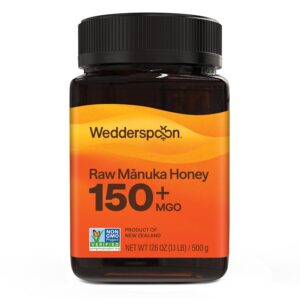
If you want to level up, Wedderspoon Raw Premium Manuka Honey is a well-regarded option that’s widely used for this purpose.
3. Aloe Vera Gel
Aloe vera has real anti-inflammatory and wound-healing credentials. The inner gel contains compounds — including acemannan — that help soothe irritated tissue and may shorten healing time. A 2016 study in the Journal of Clinical and Experimental Dentistry found aloe vera gel effective at reducing pain and accelerating healing of recurrent aphthous ulcers.
How to use it: Apply pure aloe vera gel (not the aloe-infused lotion — you want the real thing) directly to the ulcer 2–3 times daily. Hold it in place for a minute or two before rinsing.
4. Coconut Oil
Coconut oil contains lauric acid, which has demonstrated antimicrobial activity against a range of bacteria and fungi. Applied directly to a mouth ulcer, it forms a light protective layer and reduces inflammation.
Dab a small amount of virgin coconut oil directly onto the sore using a clean fingertip or cotton swab. Do this 3–4 times daily. It’s tasteless enough to leave on, which means longer contact time and better effect.
5. Baking Soda Rinse
Baking soda (sodium bicarbonate) neutralizes the acidic environment that mouth ulcers love. That alone reduces irritation and may slow bacterial activity around the sore.
How to use it: Mix one teaspoon of baking soda in half a cup of warm water. Rinse for 30 seconds, 2–3 times a day. You can alternate this with the salt rinse for a one-two punch.
6. Chamomile Tea Compress
Chamomile contains two compounds — azulene and levomenol — that have documented anti-inflammatory and antiseptic effects. German chamomile has been used for mouth inflammation for centuries, and there’s modern evidence backing that up.
Brew a strong chamomile tea bag, let it cool slightly, then hold the warm (not hot) tea bag against the ulcer for 5–10 minutes. Do this twice daily. The direct contact is what matters here, not just drinking the tea — though that doesn’t hurt either. If you want a good chamomile option, check out our guide to the best herbal teas for sleep where chamomile features prominently for its calming, anti-inflammatory properties.
7. Clove Oil
Clove oil contains eugenol, a natural analgesic that dentists have used for pain relief for generations. Applied directly to a mouth ulcer, it numbs the area and may reduce healing time through its antimicrobial action.
How to use it: Dilute 2–3 drops of clove oil in a teaspoon of coconut or olive oil. Apply with a cotton ball directly to the sore. You’ll feel a warming sensation — that’s normal. Use once or twice daily. Do not apply undiluted clove oil — it can irritate the tissue further.
8. Turmeric Paste
Curcumin — turmeric’s active compound — is one of the most studied natural anti-inflammatories on the planet. Applied topically, it reduces swelling and may speed up tissue repair. A 2012 study in the Journal of Pharmacy & BioAllied Sciences found curcumin gel significantly reduced ulcer size and pain in patients with recurrent aphthous stomatitis.
How to use it: Mix a pinch of turmeric with just enough water or honey to make a thick paste. Apply directly to the ulcer for 3–5 minutes, then rinse. Do this twice daily. Warning: turmeric stains, so don’t let it sit on your shirt.
9. Vitamin E Oil
Vitamin E is a fat-soluble antioxidant that protects tissue from oxidative stress and supports healing. Applying it directly to a mouth ulcer creates a protective coating and may reduce pain almost immediately.
Pierce a vitamin E capsule, squeeze the oil onto a cotton swab, and apply it directly to the sore. Hold it in place for a couple of minutes. Do this 2–3 times daily. It’s one of the simplest, least messy options on this list — and it works fast on pain even if it doesn’t speed healing dramatically.
10. Zinc Lozenges or Supplements
If you get mouth ulcers repeatedly, low zinc could be a key factor. Research published in the Oral Surgery, Oral Medicine, Oral Pathology journal found that zinc supplementation reduced both the frequency and duration of recurrent aphthous ulcers.
Zinc lozenges — the kind used for colds — can also be used directly, since contact with oral tissue seems to be part of the mechanism. Look for zinc gluconate lozenges. Zicam Cold Remedy Zinc Lozenges are a widely available option.

What to Avoid When You Have a Mouth Ulcer
Some things make mouth ulcers significantly worse. Avoiding them is just as important as applying the remedies above.
| Avoid This | Why It Makes It Worse |
|---|---|
| Acidic foods (citrus, tomatoes, vinegar) | Irritates the open tissue and increases pain |
| Spicy foods | Triggers inflammation and prolongs healing |
| Alcohol-based mouthwashes | Burns the sore and delays tissue repair |
| SLS toothpaste | Linked to higher frequency of ulcers in studies |
| Poking or prodding the ulcer | Introduces bacteria and worsens irritation |
| Very hot food and drink | Damages already compromised tissue |
Switching to an SLS-free toothpaste is one of the single best things repeat sufferers can do. Several studies have shown a meaningful reduction in ulcer frequency after the switch. Sensodyne Pronamel Gentle Whitening Toothpaste is one commonly recommended SLS-free option.

The Remedies Ranked: Quick Reference
| Remedy | Best For | Evidence Level | Speed of Relief |
|---|---|---|---|
| Salt water rinse | Swelling, bacteria | Moderate | Within 24 hrs |
| Raw honey (Manuka) | Pain, healing speed | Good | 1–2 days |
| Aloe vera gel | Inflammation, healing | Good | 1–2 days |
| Coconut oil | Protection, bacteria | Moderate | Within 24 hrs |
| Baking soda rinse | Acid neutralization | Low-moderate | Within 24 hrs |
| Chamomile compress | Inflammation, pain | Moderate | 1–2 days |
| Clove oil | Immediate pain relief | Moderate | Minutes |
| Turmeric paste | Inflammation, size | Good | 1–3 days |
| Vitamin E oil | Pain, tissue protection | Low-moderate | Within hours |
| Zinc lozenges | Recurrent ulcers | Good | 2–3 days |
When to See a Doctor
Most mouth ulcers are annoying but harmless. However, some situations need professional attention — and knowing the difference matters.
See a doctor or dentist if:
- The ulcer is unusually large (bigger than a centimeter)
- It hasn’t healed after two to three weeks
- You have multiple ulcers appearing at the same time
- It’s spreading or getting worse despite treatment
- You have a high fever alongside the ulcer
- There’s significant difficulty swallowing or eating
- You’re getting ulcers more than 3–4 times a month
Recurrent or non-healing ulcers can occasionally signal underlying conditions — including celiac disease, inflammatory bowel disease, vitamin deficiencies, or in rare cases, oral cancer, according to the National Institute of Dental and Craniofacial Research (NIDCR). Don’t self-treat something that keeps coming back without getting it checked.
Similarly, if you’re managing another mouth-related issue and looking for broader natural support, our guide to the best herbal drinks for sore throat covers remedies that overlap well with mouth inflammation — many of the same anti-inflammatory herbs apply.
Frequently Asked Questions
How long do mouth ulcers last naturally?
Minor mouth ulcers typically heal on their own in 7 to 14 days without treatment. Using natural remedies consistently can often reduce that to 4–7 days. Major ulcers (which are larger and less common) can take up to six weeks.
Can I use multiple remedies at the same time?
Yes — in fact, combining approaches often works better than any single one. A common effective routine is: salt rinse in the morning, honey application after meals, clove oil for immediate pain relief, and aloe vera before bed. Just don’t layer them all on at once without rinsing between applications.
Does apple cider vinegar help mouth ulcers?
This one is popular online, but the answer is no — don’t use it. Apple cider vinegar is highly acidic and will irritate already damaged tissue, making the ulcer more painful and potentially delaying healing. Stick to the alkaline or neutral options on this list.
Why do I keep getting mouth ulcers?
Recurrent mouth ulcers usually point to one or more of: nutritional deficiencies (B12, folate, iron, zinc), chronic stress, hormonal changes, SLS in toothpaste, or an underlying health condition. If you’re getting them regularly, a blood panel checking for common deficiencies is a sensible first step.
Is hydrogen peroxide safe for mouth ulcers?
Diluted hydrogen peroxide (3% solution, diluted 1:1 with water) is sometimes used as an antiseptic mouth rinse. It can help keep the ulcer clean, but use it sparingly and not more than once daily — overuse can irritate healthy tissue and disrupt the mouth’s natural bacterial balance.
Can stress cause mouth ulcers?
Yes — stress is one of the most commonly reported triggers for canker sores. The exact mechanism isn’t fully understood, but it likely involves immune dysregulation. Addressing sleep and stress doesn’t just help your general health; for ulcer-prone people, it often reduces flare frequency noticeably. Good sleep hygiene helps — see our picks for herbal teas that support better sleep if that’s a factor for you.
Do herbal teas help with mouth ulcers?
Some do. Chamomile, licorice root, and green tea all have anti-inflammatory properties that can help soothe mouth tissue when used as rinses or compresses. Drinking them also contributes to hydration, which supports healing. For a broader look at what herbal teas can do beyond mouth ulcers, our guide to Chinese herbal tea varieties is worth a look.
The Bottom Line on Curing Mouth Ulcers Fast Naturally
There’s no single magic bullet for mouth ulcers — but the good news is that several natural remedies have real evidence behind them and work quickly when used consistently.
For immediate pain relief, go for clove oil or vitamin E. For faster healing, honey and aloe vera are your best bets. For prevention if you keep getting them, switch to an SLS-free toothpaste and get your B12, folate, iron, and zinc levels checked.
Most importantly: if an ulcer hasn’t cleared up in two to three weeks or keeps coming back, see a professional. Learning how to cure mouth ulcers fast naturally is about giving your body the right support — not replacing proper medical care when it’s genuinely needed.
Medical Disclaimer: The information in this article is intended for general informational purposes only and does not constitute medical advice, diagnosis, or treatment. Always consult a qualified healthcare provider before starting any new treatment, especially if you have a pre-existing health condition or are taking medications. Natural remedies are not a substitute for professional medical care.