This post contains affiliate links. If you buy through our links we may earn a small commission — at no extra cost to you. This never influences our recommendations.
This article is for informational purposes only and does not constitute medical advice. Eczema (atopic dermatitis) is a chronic condition that benefits from professional evaluation and personalised treatment. Always consult a qualified healthcare provider — ideally a dermatologist — before changing your treatment approach, particularly for severe or widespread eczema.
When to See a Doctor First
Natural remedies work best as a complement to — not a replacement for — medical care. See a dermatologist if:
- Eczema is widespread, severely inflamed, or weeping
- Skin shows signs of infection — increased warmth, yellow crusting, pus, or spreading redness
- Symptoms significantly affect sleep or quality of life
- Over-the-counter treatments have not provided adequate relief after 2–3 weeks
- You are considering an elimination diet to identify food triggers — do this with a doctor or dietitian
- The person affected is an infant or young child
What Eczema Actually Is — and Why It’s Stubborn
Eczema (atopic dermatitis) is not just dry skin. It’s a chronic inflammatory condition rooted in a dysfunctional skin barrier combined with an overactive immune response. The skin barrier — normally a tight network of cells and lipids that keeps moisture in and irritants out — is compromised in eczema-prone skin, allowing allergens and irritants to penetrate and trigger an immune cascade.
The two main targets of any effective eczema approach are the same two problems: repairing and maintaining the skin barrier, and calming the underlying inflammation. Natural remedies that address one or both of these mechanisms have genuine clinical rationale. Those that don’t address either are largely wishful thinking.
This article ranks natural remedies by evidence quality, explains the mechanism behind each, and makes clear which have real research support and which are mostly tradition.
Natural Remedies for Eczema — Ranked by Evidence
1. Colloidal Oatmeal — The Gold Standard Natural Eczema Treatment
Colloidal oatmeal is the most evidence-backed natural remedy for eczema — and the only one with FDA recognition as an over-the-counter skin protectant for eczema. The finely milled oat particles contain avenanthramides and beta-glucans that deliver anti-inflammatory, anti-itch, and moisturising effects simultaneously. Clinical studies have confirmed oatmeal’s ability to calm inflamed skin and reduce itching — in some trials by up to 40%.
The mechanism is multifaceted: colloidal oatmeal lowers skin pH toward its natural acidic range (which calms inflammation), forms a physical barrier that locks in moisture, inhibits histamine-driven itch signalling, and directly reduces levels of inflammatory cytokines in skin cells. This is not anecdote — it is documented pharmacology that earned FDA skin protectant status.
How to use: Topical creams containing 1–2% colloidal oatmeal applied daily — particularly right after bathing while skin is still slightly damp. For flare-ups, colloidal oatmeal bath soaks for 15–20 minutes in lukewarm (not hot) water, followed immediately by moisturiser to seal in hydration. Hot water strips the skin barrier and worsens eczema — lukewarm only.
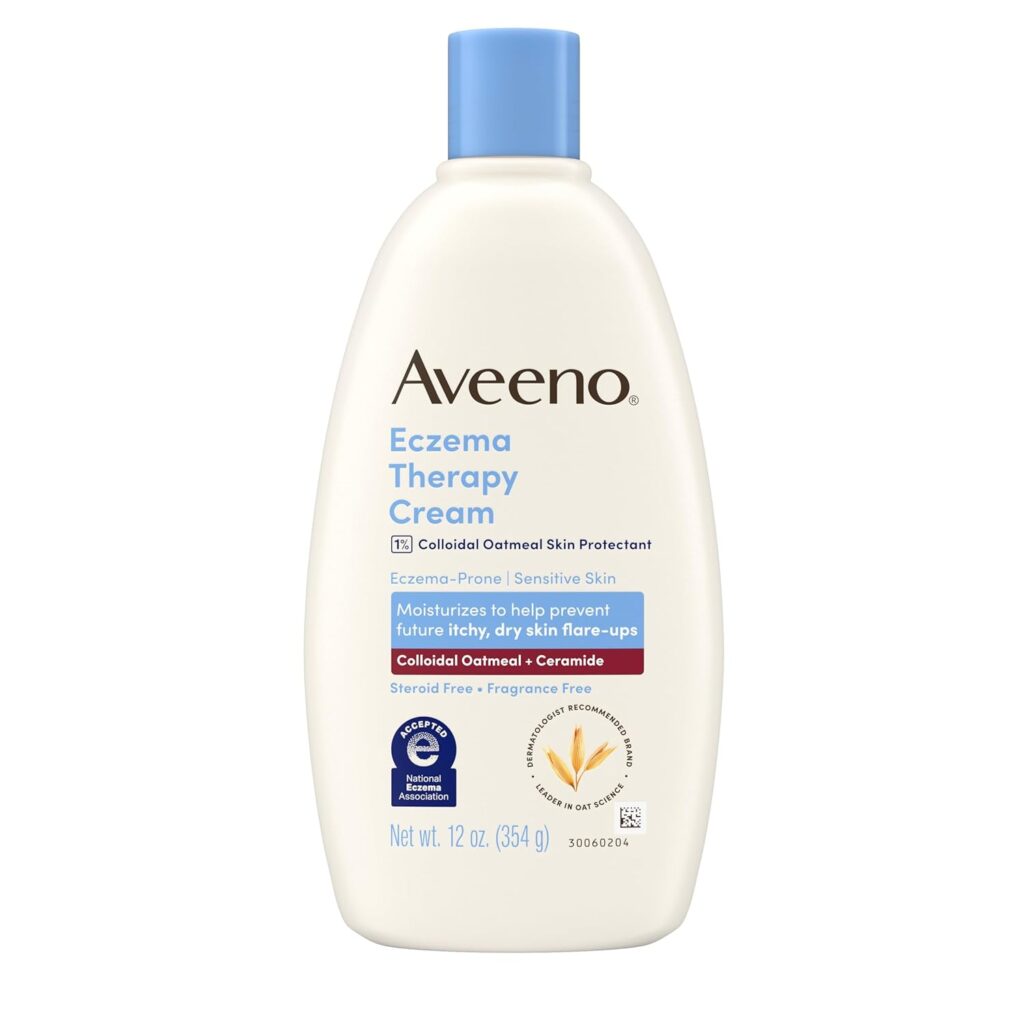
Recommended products: Aveeno Eczema Therapy Daily Moisturizing Cream — 1% colloidal oatmeal with ceramide, NEA Seal of Acceptance, fragrance-free and steroid-free.
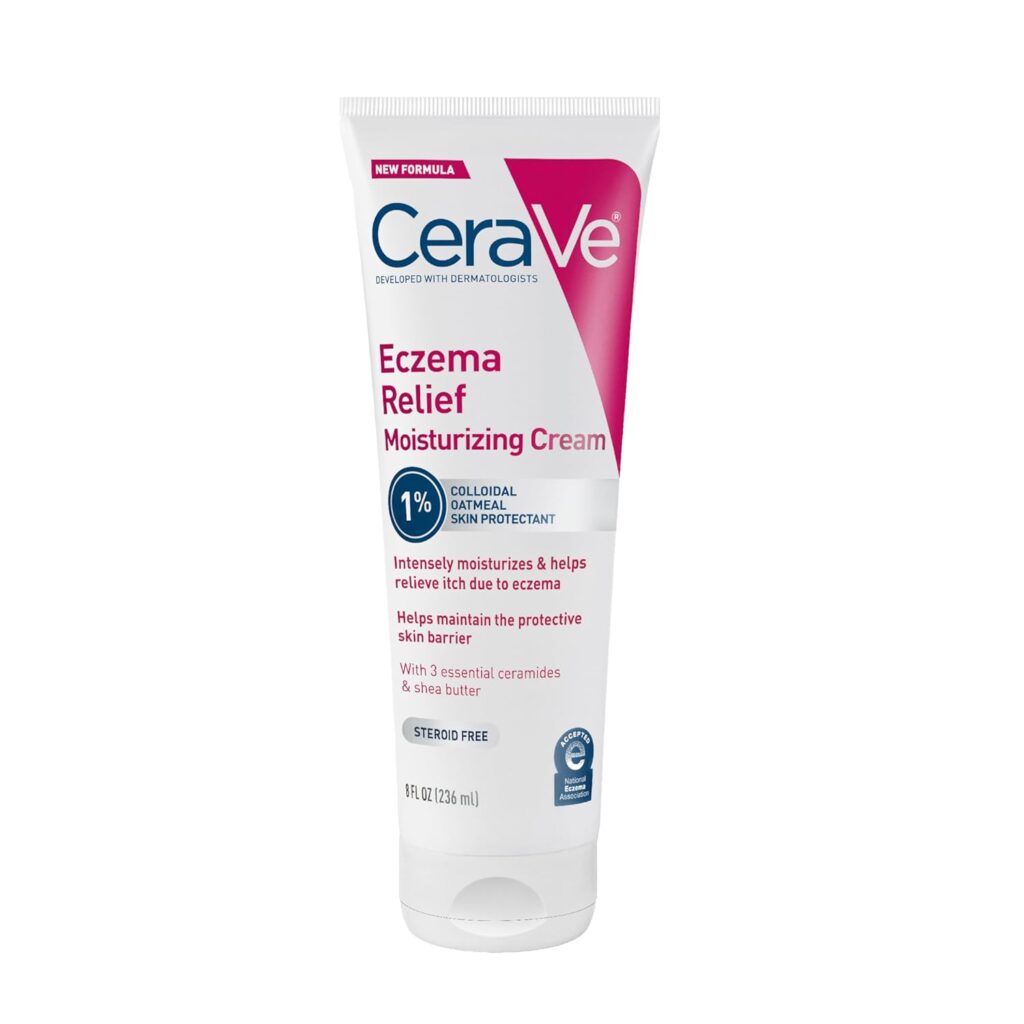
CeraVe Eczema Relief Moisturizing Cream — colloidal oatmeal, ceramides, and shea butter in one formula, developed with dermatologists.
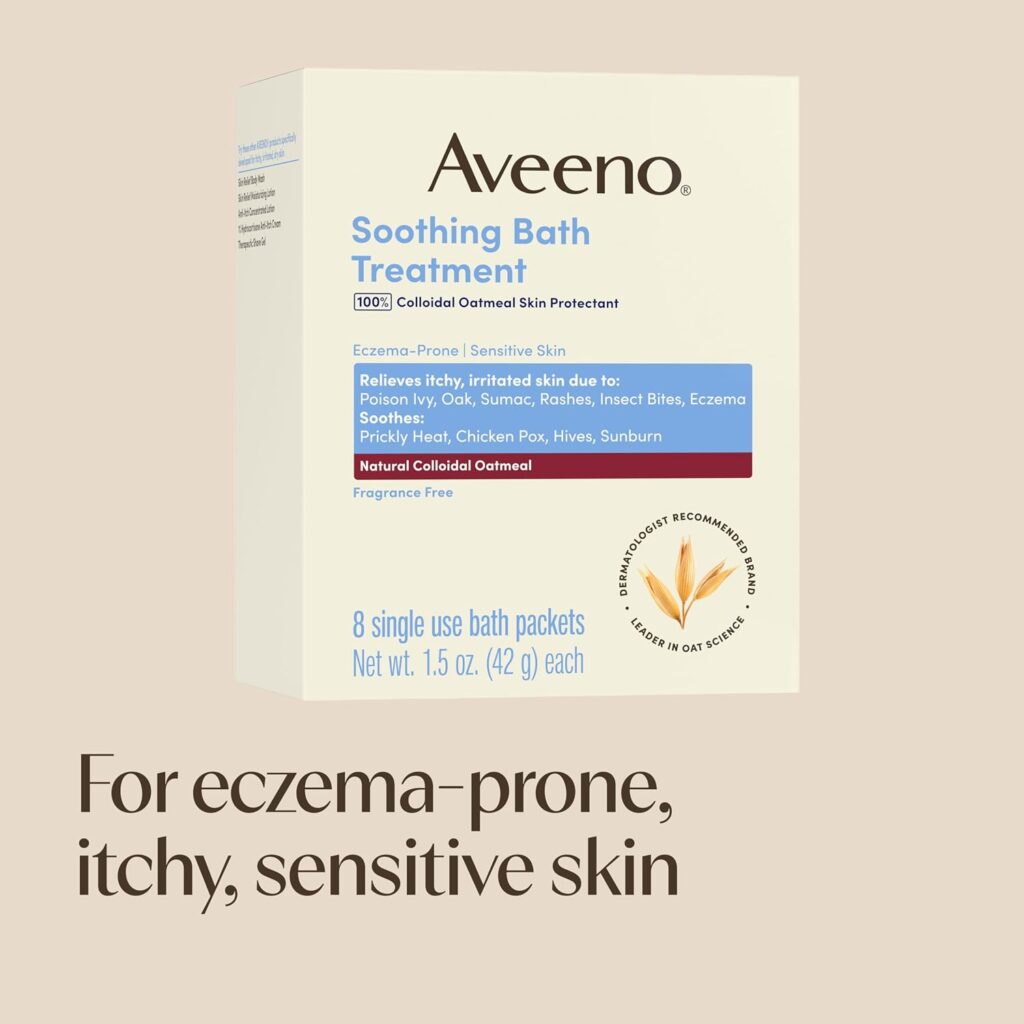
For bath soaks: Aveeno Soothing Bath Treatment — 100% natural colloidal oatmeal packets, NEA Seal of Acceptance.
2. Moisturising Immediately After Bathing — “Soak and Seal”
This is not a supplement or a product — it’s a technique, and it has stronger evidence than almost any natural remedy in this article. The “soak and seal” method involves bathing in lukewarm water for 5–10 minutes to hydrate the skin, then patting dry (never rubbing) and applying a thick moisturiser within three minutes before the water evaporates from the skin surface.
The American Academy of Dermatology recommends this approach as a foundation of eczema management. It works because eczema-prone skin rapidly loses trans-epidermal water — the seal of moisturiser traps the water absorbed during bathing before it can escape. Studies show consistent daily moisturising alone reduces eczema flare frequency and severity significantly in mild-to-moderate cases.
What to use: Thick creams and ointments outperform thin lotions for eczema — they stay on longer and provide better occlusion. Fragrance-free is non-negotiable; fragrance is one of the most common eczema triggers. Ceramide-containing moisturisers (CeraVe, Aveeno Eczema Therapy) specifically target the barrier lipid deficit that characterises atopic skin.
3. Evening Primrose Oil (GLA) — Skin Barrier Repair from the Inside
Evening primrose oil contains gamma-linolenic acid (GLA), an omega-6 fatty acid with a specific and well-characterised rationale for eczema. Research has established that people with atopic dermatitis have a reduced ability to convert dietary linoleic acid to GLA — meaning the skin lacks a key building block for ceramides, the lipids that hold the skin barrier together. Supplementing with GLA bypasses this enzymatic bottleneck.
A randomised controlled trial in 50 eczema patients found evening primrose oil at doses providing 160–320mg of GLA daily improved eczema symptoms more than a soybean oil placebo after four months. A further controlled trial with 130 adults found 200mg GLA daily for 12 weeks improved skin hydration and reduced inflammation. The evidence is not overwhelming — several trials have shown limited effect — but the mechanistic rationale is coherent and GLA is well-tolerated, making it a reasonable addition to a broader eczema management approach.
How to use: 1,000–3,000mg of evening primrose oil daily (providing 90–270mg GLA, depending on the product), taken with food. Allow 8–12 weeks before assessing effectiveness — skin barrier repair is a slow process. GLA can also be applied topically in some formulations.
Safety: Avoid during pregnancy without medical advice. May interact with blood thinners and anticoagulant medications. Generally well-tolerated at standard doses.
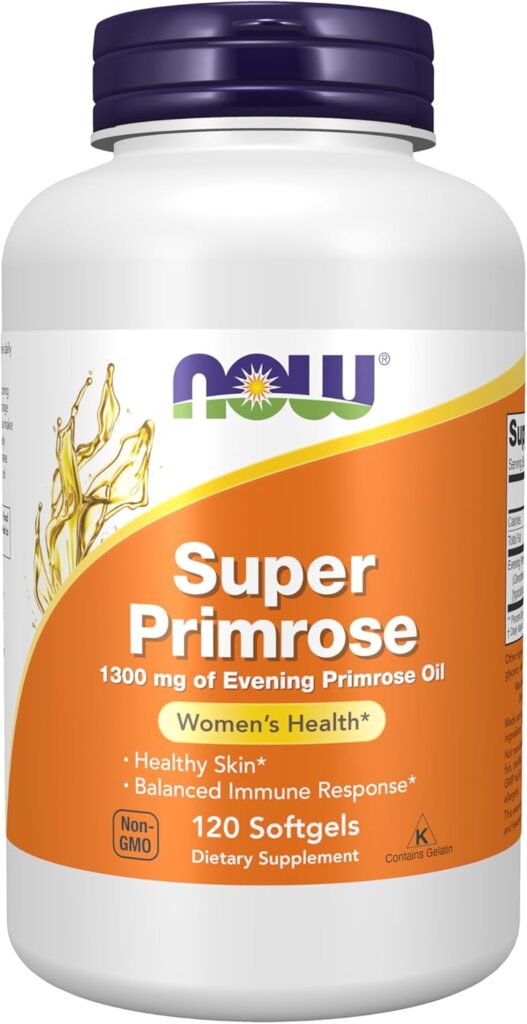
Recommended products: NOW Foods Super Primrose 1300mg — 120mg GLA per softgel, cold-pressed and hexane-free, NPA A-rated GMP certified, best value at this dose.
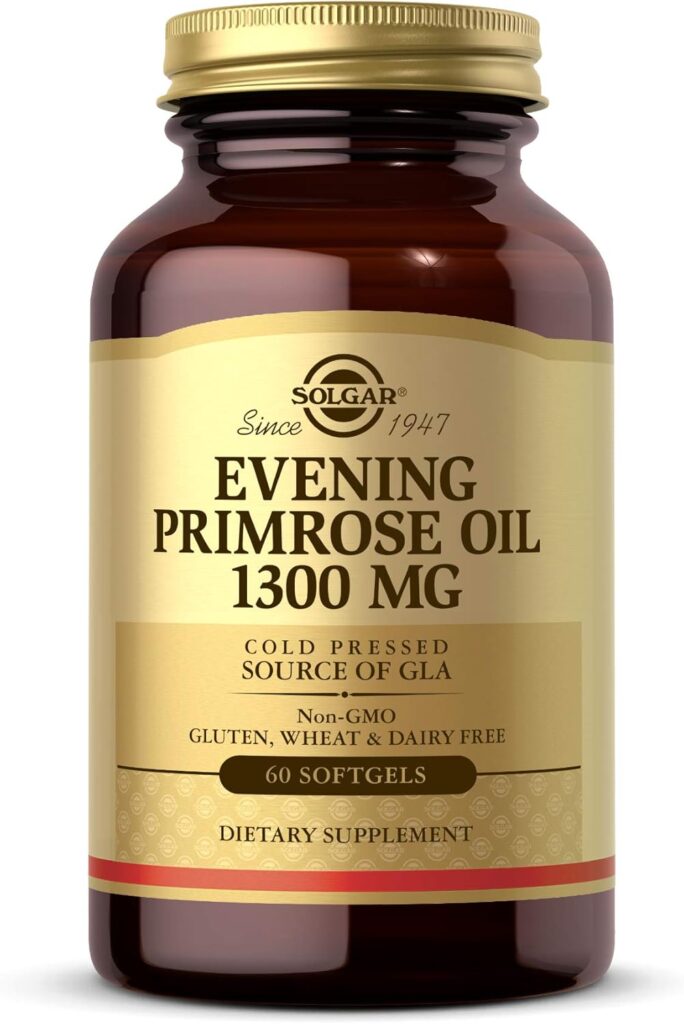
Solgar Evening Primrose Oil 1300mg — cold-pressed without chemical solvents, Non-GMO, from a 70+ year brand with a strong quality reputation.
4. Coconut Oil — Antimicrobial and Moisturising, with a Caveat
Virgin coconut oil has two evidence-backed mechanisms relevant to eczema: it’s a good moisturiser with a high content of skin-compatible fatty acids, and its lauric acid content provides antimicrobial activity against Staphylococcus aureus — the bacteria that colonises eczema-prone skin and significantly worsens flares.
A randomised trial compared coconut oil to mineral oil in children with atopic dermatitis, finding coconut oil significantly reduced SCORAD (eczema severity) scores and S. aureus colonisation. The National Eczema Association recognises coconut oil as an appropriate moisturiser for eczema-prone skin. The caveat: coconut oil is comedogenic (can clog pores) and should be used on body skin rather than the face for most people. It’s also not ideal as a sole moisturiser — it lacks ceramides and humectants that eczema skin specifically needs. Use it as a complement to a ceramide-rich cream, not a replacement.
How to use: Virgin (not refined) coconut oil applied to affected areas after bathing. For antimicrobial benefit, allow to absorb fully before dressing.
5. Quercetin — Anti-Inflammatory and Mast Cell Stabilising
Quercetin, the flavonoid found in apples, onions, and berries, has specific relevance to eczema through two mechanisms: it stabilises mast cells (reducing histamine release that drives the itch cycle) and suppresses inflammatory cytokines — including IL-4, IL-5, and IL-13 — that are elevated in atopic dermatitis. A 2025 systematic review published in a peer-reviewed journal confirmed quercetin and related flavonoids show genuine promise for eczema management through these pathways.
The honest position: human clinical trials using quercetin specifically for eczema are limited. The mechanism is well-established and the in vitro evidence is strong. Quercetin is well-tolerated, found naturally in food, and available in supplement form. It’s a reasonable addition — particularly for people whose eczema is significantly driven by histamine and immediate allergic reactivity — but it should not be the centrepiece of an eczema protocol. See our natural antihistamine guide for a fuller discussion of quercetin’s antihistamine evidence.
Food sources: Onions (especially red), apples, capers, berries, and leafy green vegetables are the richest dietary sources.
6. Aloe Vera — Cooling and Anti-Inflammatory for Acute Flares
Pure aloe vera gel provides immediate cooling relief for inflamed, itchy eczema skin through anti-inflammatory compounds including acemannan and salicylates. It’s best used as an acute flare remedy rather than a long-term moisturiser — aloe gel on its own does not provide adequate occlusion for sustained barrier repair.
How to use: Apply 100% pure aloe vera gel (no added fragrance, alcohol, or colourants — these irritate eczema skin) to inflamed areas 2–3 times daily during flares. Refrigerating the gel before use enhances the cooling anti-itch effect. Follow with a ceramide moisturiser once the aloe has absorbed.
What to Avoid — Common Eczema Triggers
Identifying and removing triggers is as important as any remedy. The most common eczema triggers:
- Fragrances — the single most common contact irritant in eczema. Avoid fragranced soaps, laundry detergents, moisturisers, and fabric softeners entirely
- Hot water — strips the skin barrier and triggers histamine release. Lukewarm water only for bathing
- Wool and synthetic fabrics — rough fibres irritate sensitised skin. Loose cotton is best
- Sweat — triggers flares for many people. Shower promptly after exercise and apply moisturiser immediately after
- Stress — directly modulates immune response and worsens eczema through cortisol-driven inflammation
- Food triggers — relevant for some people (dairy, eggs, soy, wheat, and tree nuts are the most common), but food elimination should be guided by a doctor to avoid unnecessary restriction. Not every eczema case has a food trigger
- Harsh soaps and detergents — disrupt skin pH and strip barrier lipids. Switch to pH-balanced, fragrance-free cleansers
The “Soak and Seal” Protocol — Step by Step
The most evidence-backed natural eczema management routine, recommended by the American Academy of Dermatology:
Step 1. Bathe in lukewarm water for 5–10 minutes. Use a gentle, fragrance-free cleanser on dirty areas only — not all over, which removes protective oils.
Step 2. Pat skin gently with a soft towel. Don’t rub — rubbing aggravates inflamed skin and removes moisture you’ve just absorbed.
Step 3. Within 3 minutes, while skin is still slightly damp, apply a thick fragrance-free moisturiser or colloidal oatmeal cream generously to all affected areas.
Step 4. Apply any prescribed topical treatments as directed. Natural topicals (coconut oil, aloe vera) can be layered once the moisturiser has absorbed.
Step 5. Dress in loose, soft cotton. Avoid wool, rough synthetics, or tight clothing over affected areas.
Done consistently once or twice daily, this routine alone produces measurable improvement in mild-to-moderate eczema within 2–4 weeks in most people.
What Doesn’t Have Strong Evidence
Bleach baths: Dilute bleach baths (0.005% sodium hypochlorite) are recommended by some dermatologists for reducing S. aureus colonisation in severe eczema — but this is a medical intervention, not a home remedy. Do not attempt without medical guidance.
Essential oils: Tea tree oil, lavender, and similar essential oils are frequently promoted for eczema but are among the most common contact allergens in eczema-prone skin. The risk of triggering a reaction outweighs any theoretical benefit for most people with atopic dermatitis. Avoid.
Apple cider vinegar: Popular online but the evidence is weak and the risk of skin irritation — particularly on already compromised skin — is real. Not recommended.
Elimination diets without testing: Food triggers are relevant for some eczema patients, particularly children with food allergies confirmed by testing. But blanket elimination of dairy, gluten, or other food groups without confirmed sensitivity is more likely to cause nutritional deficiency than improve eczema.
Frequently Asked Questions
What is the fastest natural remedy for eczema itching?
Colloidal oatmeal cream applied directly to itchy skin provides the fastest evidence-backed natural itch relief — typically within minutes. Cold aloe vera gel (stored in the refrigerator) also provides rapid cooling relief during flares. For longer-lasting itch control, the soak-and-seal routine with a ceramide moisturiser reduces the frequency and intensity of the itch cycle over days to weeks of consistent use.
Can eczema be cured naturally?
Eczema is a chronic condition with a genetic component — it cannot be permanently “cured” by natural remedies. What is achievable naturally is significant reduction in flare frequency, severity, and duration through consistent barrier repair, trigger avoidance, and anti-inflammatory support. Many people achieve long periods of remission with a disciplined natural management approach, particularly when eczema is mild-to-moderate.
Is coconut oil good for eczema?
Virgin coconut oil is a reasonable supportive remedy for body eczema — it moisturises and reduces S. aureus colonisation, which worsens flares. It’s less appropriate for the face (comedogenic risk) and should not replace ceramide-rich moisturisers that specifically target the barrier lipid deficit in atopic skin. Use it as a complement, not a centrepiece.
Does diet affect eczema?
For some people, yes — particularly children with concurrent food allergies. Common dietary triggers include dairy, eggs, soy, wheat, and tree nuts. However, food triggers are not universal — most adults with eczema do not have dietary triggers that significantly drive their condition. Any elimination diet should be guided by a doctor or dietitian, with confirmed food allergy testing where appropriate.
How long do natural eczema remedies take to work?
Colloidal oatmeal and aloe vera provide relief within minutes of topical application. The soak-and-seal routine shows measurable improvement within 2–4 weeks of daily consistency. Evening primrose oil (GLA) requires 8–12 weeks of supplementation before meaningful skin barrier changes occur — this is a long-term intervention, not an acute remedy. Trigger identification and removal can produce rapid improvement once the relevant triggers are found and eliminated.
Final Thoughts
Natural eczema management works best as a layered approach: barrier repair through consistent moisturising and the soak-and-seal technique as the foundation, colloidal oatmeal cream as the topical cornerstone, evening primrose oil for inside-out barrier support over the long term, and trigger identification to remove the fuel that drives flares in the first place.
Colloidal oatmeal is genuinely the most evidence-backed natural remedy in this category — its FDA recognition as an OTC skin protectant reflects real pharmacological data, not marketing. The Aveeno Eczema Therapy Daily Cream and CeraVe Eczema Relief Cream are both legitimate clinical-grade options available without prescription. Evening primrose oil — particularly NOW Super Primrose 1300mg — is the most mechanistically rational supplement choice for people willing to commit to a 3-month trial.
For related natural skin and health content, see our guides on natural antihistamines and natural remedies for anxiety — stress is one of the most consistent eczema triggers and addressing it directly is as much an eczema intervention as any topical remedy.
This article is for informational purposes only and does not constitute medical advice. Eczema is a chronic condition. Always consult a qualified healthcare provider — ideally a dermatologist — for persistent, severe, or worsening symptoms.