This post contains affiliate links. If you buy through our links we may earn a small commission — at no extra cost to you. This never influences our recommendations.
This article is for informational purposes only and does not constitute medical advice. Chronic inflammation can be a symptom of serious underlying conditions. Always consult a qualified healthcare provider before starting any supplement, particularly if you take blood thinners, have a medical condition, or are pregnant or nursing.
Inflammation is not the enemy. It’s the immune system’s first line of defence — a controlled response that heals wounds, fights infection, and clears cellular debris. The problem is chronic, low-grade inflammation that never fully switches off. That’s what drives joint pain, arterial damage, digestive conditions, fatigue, and accelerated ageing at the cellular level.
Several herbs have genuine, well-studied mechanisms for calming the inflammatory cascade — not by suppressing immune function, but by modulating specific pathways that drive chronic inflammation. This guide covers the ones that actually have clinical evidence behind them, how they work, and how to use them effectively.
How Inflammation Works — and Why Different Herbs Target Different Pathways
Chronic inflammation operates through several interconnected molecular pathways. The most clinically relevant ones are:
- NF-κB (Nuclear Factor kappa-light-chain-enhancer of activated B cells): The master switch that activates hundreds of inflammatory genes simultaneously. Chronic NF-κB activation drives most inflammatory diseases. Turmeric’s curcumin is the most studied NF-κB inhibitor in natural medicine.
- COX-2 (Cyclooxygenase-2): The enzyme that produces prostaglandins — pain-causing inflammatory molecules. This is the same target as ibuprofen and aspirin. Ginger and rosemary inhibit COX-2 through natural mechanisms.
- 5-LOX (5-Lipoxygenase): Produces leukotrienes, inflammatory molecules particularly relevant in joint inflammation, inflammatory bowel disease, and asthma. Boswellia’s AKBA compounds specifically target 5-LOX — a pathway that NSAIDs largely miss.
This is why combining herbs from different categories often produces more comprehensive results than using a single herb at high dose. Turmeric and boswellia together cover NF-κB and 5-LOX simultaneously — a more complete approach than either alone.
Herbs for Inflammation — Ranked by Evidence
1. Turmeric (Curcumin) — The Most Researched Natural Anti-Inflammatory
Turmeric is the most extensively studied natural anti-inflammatory compound on earth — curcumin, its primary active compound, appears in over 3,000 published research papers. It works through multiple mechanisms simultaneously: NF-κB inhibition, COX-2 suppression, antioxidant activity, and modulation of inflammatory cytokines including TNF-α, IL-1β, and IL-6. A 2025 umbrella review of curcumin trials confirmed positive effects on inflammatory markers across multiple conditions, though it noted variability in effect size across trials — largely attributable to the absorption problem discussed below.
The honest limitation of turmeric: standard curcumin has very poor bioavailability. It’s poorly absorbed in the gut, rapidly metabolised, and quickly eliminated. Most cheap turmeric supplements deliver a fraction of their labelled dose to systemic circulation. The black pepper extract piperine (marketed as BioPerine) increases absorption by approximately 20-fold, which is why it appears in quality formulations. More advanced delivery systems — phytosome complexes (Meriva), liposomal formulations, and hydro-soluble preparations — deliver significantly better absorption still.
Conditions with the strongest clinical evidence: Osteoarthritis, rheumatoid arthritis, inflammatory bowel conditions, metabolic inflammation, post-exercise muscle soreness.
Dose: 400–600mg of standardised extract (95% curcuminoids) three times daily with food, or 1,000mg of a high-absorption form (Meriva phytosome, liposomal) once or twice daily. Always take with food — fat enhances absorption further.
Safety: Generally well-tolerated. May interact with blood-thinning medications (warfarin, aspirin). Can stimulate bile production — avoid high doses with gallstones or bile duct obstruction. Not recommended at high doses during pregnancy.
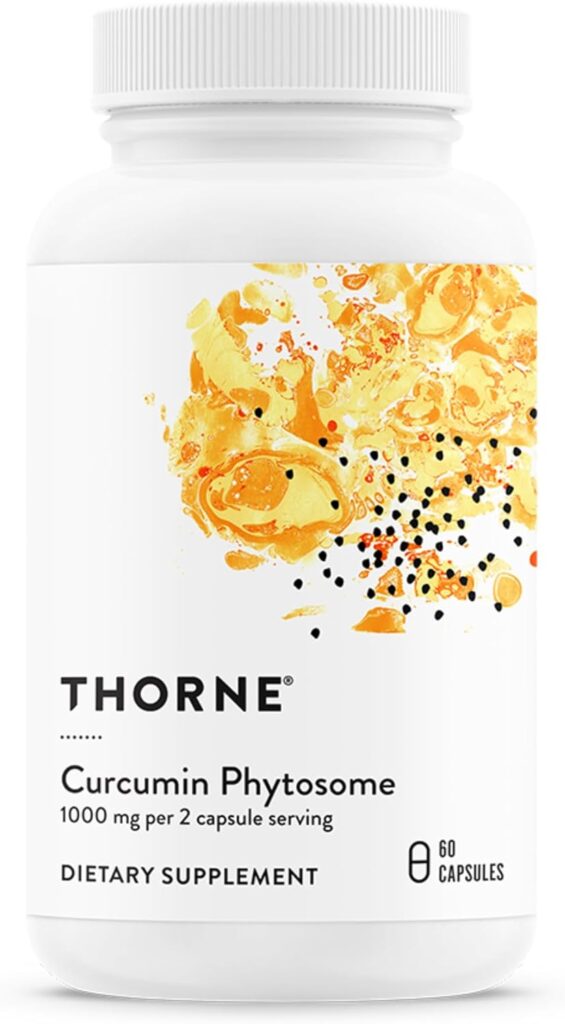
Best quality option: Thorne Curcumin Phytosome 1000mg (Meriva) — clinically studied Meriva phospholipid complex with substantially higher absorption than standard curcumin. Third-party NSF certified. The benchmark for quality in this category.
Best value option: Qunol Turmeric + Ginger + Black Pepper 2400mg — 95% curcuminoids, black pepper extract, and ginger root in one formula, addressing multiple inflammatory pathways simultaneously. Hydro-soluble enhanced absorption technology. Strong value for daily long-term use.

2. Boswellia — The Joint Inflammation Specialist
Boswellia serrata (Indian frankincense) is the single most evidence-backed herb for joint inflammation and may be the most underappreciated anti-inflammatory herb in Western natural medicine. Its active compounds — boswellic acids, particularly AKBA (acetyl-11-keto-β-boswellic acid) — specifically inhibit the 5-LOX enzyme, a pathway that NSAIDs largely bypass. This makes boswellia genuinely complementary to both pharmaceutical NSAIDs and other natural anti-inflammatories like turmeric, rather than redundant with them.
A landmark 2008 RCT (the 5-Loxin trial) found that 100mg of AKBA-standardised boswellia daily produced a 32% reduction in knee osteoarthritis pain versus placebo after 90 days. Multiple subsequent trials have confirmed meaningful improvements in joint pain, stiffness, and mobility in OA patients. Evidence for inflammatory bowel disease is also meaningful — at least two trials showed boswellia comparable to mesalazine (a standard pharmaceutical) for ulcerative colitis remission.
The 5-LOX mechanism also makes boswellia particularly relevant for respiratory inflammation (asthma), where leukotrienes are primary mediators. A small controlled trial found significant improvement in asthma frequency and severity with standardised boswellia extract over six weeks.
Dose: 300–500mg daily of extract standardised to at least 65% boswellic acids, or 100mg of AKBA-standardised extract. Allow 4–8 weeks for full effect — boswellia is a long-term modulator, not an acute pain reliever.
Safety: Well-tolerated in clinical trials over 6–12 months. Rare reports of digestive upset. Avoid in pregnancy without medical advice. May interact with immunosuppressant medications.
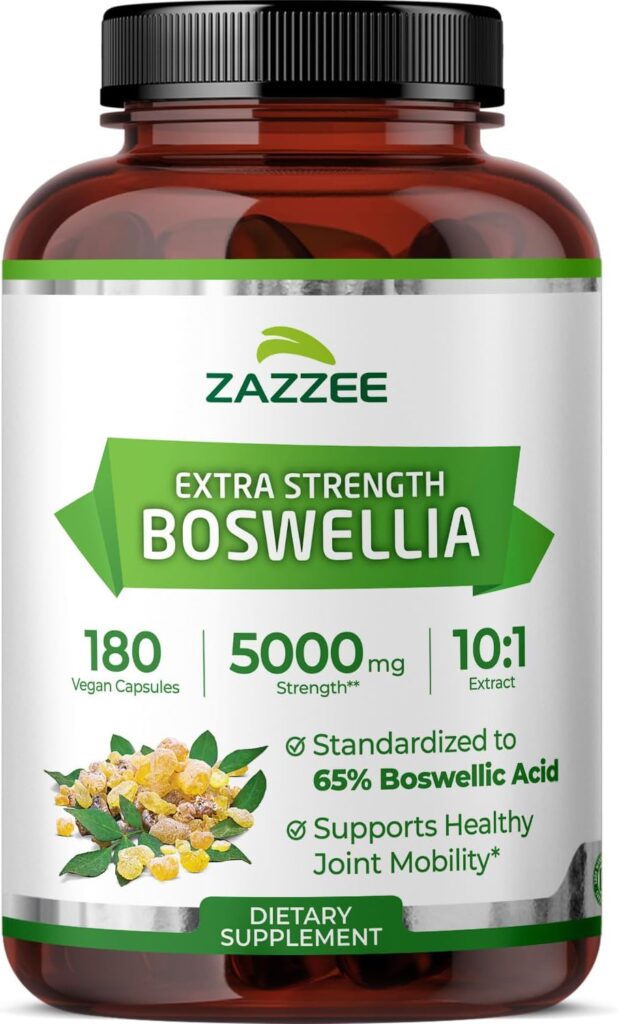
Best value option: Zazzee Boswellia 10:1 Extract 65% Boswellic Acid, 180 caps — standardised to 65% boswellic acid, 180 capsules (6-month supply), USA-manufactured, non-GMO. Exceptional value per dose for a standardised, concentrated extract.
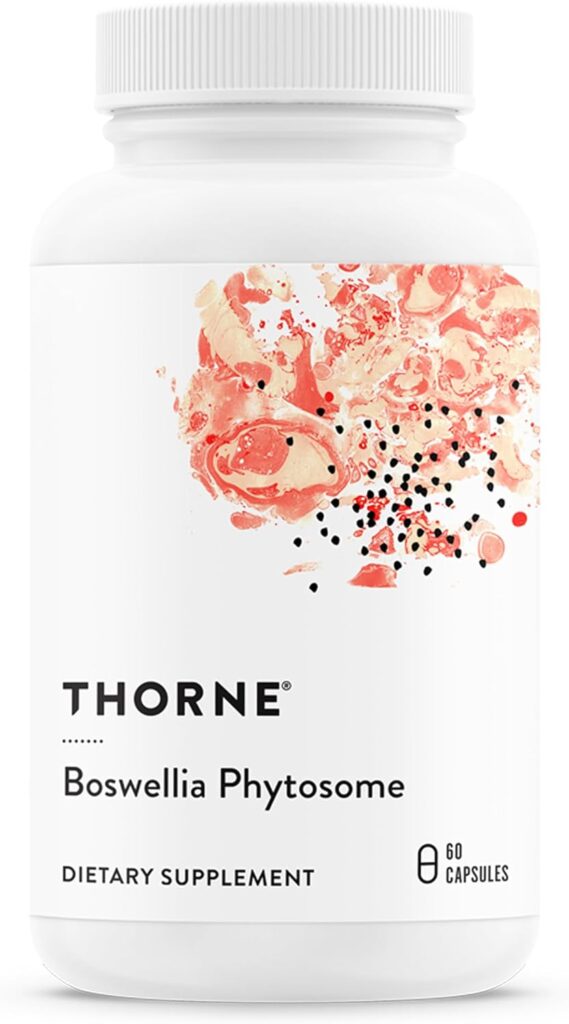
Best quality option: Thorne Boswellia Phytosome — phytosome delivery system for enhanced bioavailability, third-party NSF certified. Best option for those wanting the highest absorption form.
3. Ginger — Dual COX-2 and 5-LOX Inhibition, Fastest Acting
Ginger (Zingiber officinale) works through a unique dual mechanism — it inhibits both COX-2 and 5-LOX simultaneously, a pharmacological profile that no single NSAID matches. Gingerols and shogaols (the active compounds, with shogaols being more potent and predominating in dried ginger) modulate multiple inflammatory pathways while also providing meaningful antioxidant activity.
Clinical trial evidence is solid: a 2024 critical review summarised multiple RCTs showing ginger significantly reduces pain and inflammatory markers in osteoarthritis, rheumatoid arthritis, and post-exercise muscle soreness. It also acts faster than turmeric — useful for acute flares while curcumin builds up over weeks. Ginger’s additional benefit over most anti-inflammatory herbs is its anti-nausea action, making it particularly useful when inflammation is accompanied by nausea (migraines, post-surgical inflammation).
Dose: 1–2g daily of standardised ginger extract. Can be taken as supplement, fresh root (2–4g/day), or ginger tea. Dried ginger is more potent than fresh due to higher shogaol content.
Safety: Very well-tolerated. High doses may cause mild digestive discomfort in some people. Has mild blood-thinning properties — use with caution alongside anticoagulants. Generally considered safe in food amounts during pregnancy; consult a doctor before taking supplements.
Dietary use: Fresh ginger in cooking, ginger tea, and ginger-forward herbal teas are meaningful food-as-medicine approaches. For therapeutic anti-inflammatory effect, supplement doses are typically more reliable than food amounts alone. See our herbal tea guide for anti-inflammatory tea combinations that include ginger.
4. Rosemary — Underrated COX-2 Inhibitor and Antioxidant
Rosemary (Rosmarinus officinalis) contains rosmarinic acid and carnosic acid — compounds that inhibit NF-κB, suppress COX-2, and provide powerful antioxidant activity that neutralises free radicals before they trigger the inflammatory cascade. It’s one of the highest-antioxidant herbs in the culinary world, and the anti-inflammatory research, while not as extensive as turmeric or boswellia, is consistent and mechanistically sound.
For inflammation specifically, rosemary is most relevant as a daily dietary herb rather than a supplement. Regular use as a cooking herb, rosemary tea, or infused olive oil provides a meaningful antioxidant and anti-inflammatory contribution that compounds over time. See our rosemary herbal tea guide for the full evidence review on rosemary’s health benefits and how to use it as a daily tea.
5. Garlic — Anti-Inflammatory Through Gut and Vascular Mechanisms
Garlic’s allicin and organosulfur compounds reduce inflammation through multiple pathways: NF-κB suppression, inhibition of inflammatory cytokines, and improvement of the gut microbiome’s anti-inflammatory short-chain fatty acid production. Garlic also reduces systemic inflammation markers including CRP (C-reactive protein) — a key clinical indicator of chronic inflammatory burden.
Aged garlic extract (AGE) is the most bioavailable and well-studied supplemental form, with evidence for cardiovascular and vascular inflammation that’s particularly relevant for people with chronic inflammatory conditions affecting the heart and arteries. For the full evidence review of aged garlic for cardiovascular inflammation, see our guide to natural remedies for high blood pressure.
Practical use: 2–3 raw or lightly cooked garlic cloves daily provides meaningful anti-inflammatory benefit. Raw is most potent — cooking reduces allicin content significantly. For supplemental use, aged garlic extract (Kyolic) is the most evidence-backed form.
Anti-Inflammatory Herb Combinations — Targeting Multiple Pathways
The most effective natural approach to chronic inflammation isn’t picking one herb and hoping it covers everything. It’s combining herbs that target different mechanisms for broader coverage. The evidence-backed combinations:
For joint inflammation (OA/RA): Turmeric (NF-κB) + Boswellia (5-LOX) — covers the two most clinically relevant pathways in joint disease. This is the combination used in multiple arthritis trials. Add ginger for faster-onset pain modulation during flares.
For gut/digestive inflammation: Boswellia (5-LOX dominates gut inflammation) + ginger (motility support + anti-nausea). Turmeric adds antioxidant protection to gut mucosa.
For systemic/cardiovascular inflammation: Turmeric + garlic (aged extract) — covers NF-κB, cytokine suppression, and vascular-specific inflammatory pathways.
For post-exercise and acute muscle inflammation: Ginger (fastest-acting, COX-2 + 5-LOX) + turmeric for recovery. Studies show ginger particularly effective for delayed-onset muscle soreness (DOMS) when taken daily.
The Absorption Problem — Why Cheap Supplements Often Don’t Work
The most common reason people try turmeric and feel “nothing” is that their supplement has terrible bioavailability. Standard curcumin powder absorbs so poorly from the gut that most of it passes through unchanged. This is why study results from well-designed trials (using high-bioavailability forms) often look very different from typical consumer experience with cheap capsules.
What actually improves absorption:
- Black pepper extract (piperine/BioPerine): 20-fold increase in curcumin absorption. The minimum standard — any quality turmeric supplement should include it.
- Phytosome complexes (Meriva): Curcumin bound to phospholipids for dramatically improved gut wall penetration. The most clinically studied high-absorption form. Used in Thorne’s formulation.
- Hydro-soluble technology: Makes otherwise fat-soluble curcumin water-dispersible, improving gut absorption. Used in Qunol’s formulation.
- Food: Always take turmeric with a meal containing fat — even this simple step meaningfully improves absorption of standard curcumin.
For boswellia, standardisation matters more than delivery form. Look for products specifying boswellic acid percentage on the label — minimum 65%, ideally with AKBA content specified. A product with no standardisation data is an unknown quantity regardless of the dose stated.
Anti-Inflammatory Diet — The Foundation That Supplements Support
No supplement protocol replaces an anti-inflammatory dietary foundation. The herbs above work best as an addition to — not a replacement for — dietary patterns that reduce chronic inflammatory burden.
The most evidence-backed anti-inflammatory dietary pattern is the Mediterranean diet: olive oil, oily fish, colourful vegetables, legumes, nuts, and whole grains as the base. Key additions that specifically reduce inflammation:
- Omega-3 fatty acids (oily fish, flaxseed, walnuts) — directly suppress COX-2 and reduce inflammatory prostaglandins
- Quercetin-rich foods (onions, apples, capers, berries) — mast cell stabilisation and NF-κB inhibition. See our natural antihistamine guide for more on quercetin’s mechanisms
- Colourful vegetables — polyphenols, carotenoids, and antioxidants that neutralise oxidative stress upstream of the inflammatory cascade
- Reduce ultra-processed foods and refined sugar — both drive NF-κB activation and inflammatory cytokine production directly
Frequently Asked Questions
Which herb is best for inflammation?
Turmeric (curcumin) has the broadest evidence base and the most clinical trials. But “best” depends on which inflammatory pathway is most relevant to your situation. For joint inflammation specifically, boswellia rivals or exceeds turmeric in clinical evidence. For acute pain and muscle inflammation, ginger acts fastest. For comprehensive coverage, turmeric + boswellia together is the most evidence-aligned combination.
How long do anti-inflammatory herbs take to work?
Ginger has the fastest onset — measurable effects on pain and inflammation within days. Turmeric typically requires 4–8 weeks of consistent use before meaningful benefit is apparent, because curcumin’s mechanisms are cumulative rather than acute. Boswellia takes 4–12 weeks for full anti-inflammatory effect. None of these herbs replaces fast-acting pharmaceutical pain relief for acute pain — they work through long-term inflammatory pathway modulation.
Can I take turmeric and boswellia together?
Yes — they target different inflammatory pathways (NF-κB vs 5-LOX) and are commonly used in combination in clinical trials for joint inflammation. This is one of the most evidence-backed herb combinations in natural anti-inflammatory medicine. Start with one at a time to identify individual response, then combine once you’ve established tolerability.
Is turmeric safe to take daily long-term?
Standard-dose turmeric supplements are well-tolerated in clinical trials lasting up to several months. Long-term daily use at moderate doses (400–1,000mg curcuminoids) appears safe for most healthy adults. Higher doses over extended periods may affect liver enzyme levels in susceptible individuals. People taking blood thinners, those with gallbladder issues, and pregnant women should consult a doctor before taking turmeric supplements regularly.
Does ginger reduce inflammation as well as ibuprofen?
In direct comparisons, ginger produces smaller and slower analgesic effects than ibuprofen for acute pain — it’s not a replacement for pharmaceutical anti-inflammatories in acute situations. Where ginger has a genuine clinical advantage is in long-term daily use for chronic inflammatory conditions, post-exercise soreness, and situations where NSAID side effects (gastric irritation, cardiovascular risk with prolonged use) make regular pharmaceutical use undesirable.
Final Thoughts
The herbs with the strongest evidence for inflammation are turmeric, boswellia, and ginger — each with documented mechanisms, multiple clinical trials, and decades of traditional use aligned with what the pharmacology would predict. Rosemary and garlic round out a meaningful dietary anti-inflammatory toolkit.
The key to getting real results from these herbs is absorption. Standard cheap turmeric supplements often fail because standard curcumin absorbs poorly — invest in a bioavailability-enhanced form like Thorne’s Curcumin Phytosome (Meriva) or Qunol’s hydro-soluble turmeric with ginger and black pepper. For boswellia, standardisation is everything — Zazzee’s 65% boswellic acid extract offers the strongest value for a properly standardised option.
For inflammation related to specific conditions covered elsewhere on the site, see our natural remedies for high blood pressure guide (vascular inflammation), natural remedies for eczema guide (skin inflammation), and natural antihistamine guide (allergic inflammation).
This article is for informational purposes only. Chronic inflammation can indicate serious underlying conditions. Always consult a qualified healthcare provider before starting any supplement, particularly if you take medications or have an existing health condition.