Disclosure: This article contains affiliate links. If you purchase through these links, we may earn a small commission at no extra cost to you. We only recommend products we genuinely believe in.
You’ve stared at the tea aisle long enough. The options are endless, the ingredient lists are vague, and you have no idea whether the $18 “wellness blend” actually does anything. Making your own herbal tea recipes fixes all of that — you control exactly what goes in, how strong it is, and why each ingredient is there.
This guide gives you 12 real recipes you can brew today, using herbs that are easy to find and actually backed by some evidence. We’ll cover the basics first, then get straight to the recipes.
How to Make Herbal Tea: The Basics
Herbal tea isn’t technically “tea” — it contains no tea plant (Camellia sinensis). The correct term is tisane, but nobody calls it that in real life. It’s simply an infusion of herbs, flowers, roots, or spices in hot water.
Two methods cover almost every recipe here:
- Infusion — Pour hot (not boiling) water over delicate herbs, flowers, or leaves. Steep 5–10 minutes. Best for chamomile, mint, lemon balm, lavender.
- Decoction — Simmer tougher roots, bark, or seeds in water for 15–20 minutes. Best for ginger, turmeric, cinnamon, licorice root.
Temperature matters. Delicate flowers and leaves do best at around 195–205°F (90–96°C) — just off a full boil. Roots and bark can handle a full rolling boil.
What You’ll Need
- A small saucepan or kettle
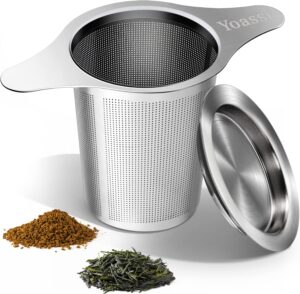
- A fine mesh strainer or tea infuser
- A mug or teapot
- Fresh or dried herbs (fresh is often more aromatic; dried is more concentrated)
If you’re getting serious about loose-leaf brewing, a stainless steel loose leaf tea infuser makes straining effortless and costs almost nothing.
Dried vs. fresh herb ratio: Use roughly 1 teaspoon of dried herb per cup, or 1 tablespoon of fresh herb per cup. Dried herbs are 3x more concentrated, so don’t swap them 1:1.
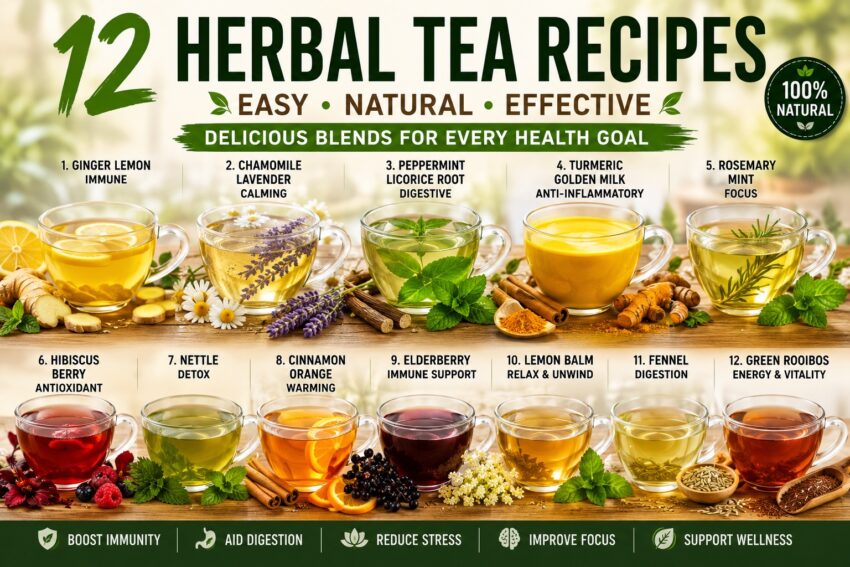
12 Herbal Tea Recipes Worth Making
1. Classic Ginger Lemon Immune Tea
This is the one to brew when you feel a cold coming on or your immune system needs a nudge. Ginger is one of the most studied herbs in existence — the evidence for its anti-inflammatory and antimicrobial properties is strong. Our full guide to natural flu remedies covers why ginger repeatedly earns its place.
Ingredients (1 cup):
- 1-inch piece of fresh ginger, peeled and sliced thin
- Juice of half a lemon
- 1 tsp raw honey
- 1 cup water
Method: Simmer ginger slices in water for 10 minutes. Strain into a mug. Add lemon juice and honey once it cools slightly (heat destroys honey’s beneficial enzymes).
Best for: Early cold symptoms, nausea, sluggish digestion, cold mornings.
2. Chamomile Lavender Calming Blend
This is the classic bedtime tea — and it earns the reputation. Chamomile contains apigenin, a compound that binds to GABA receptors in the brain, producing mild sedation. Lavender amplifies that calming effect. Check out our detailed breakdown of the best herbal teas for sleep if this is your main goal.
Ingredients (1 cup):
- 1 tsp dried chamomile flowers
- ½ tsp dried lavender buds (culinary grade)
- 1 cup water (just off boil, around 200°F)
- 1 tsp honey (optional)
Method: Add both herbs to an infuser. Pour hot water over, steep 5–7 minutes. Strain and sweeten if desired. Don’t over-steep — lavender gets bitter.
Best for: Winding down before bed, anxiety, stress relief.
3. Peppermint and Licorice Root Digestive Tea
Peppermint relaxes the smooth muscle of the GI tract, which is exactly why it eases bloating, cramping, and that after-dinner heaviness. Licorice root adds a natural sweetness and soothes the gut lining. This combo is also a solid option for heartburn relief — though if your heartburn is caused by a loose lower esophageal sphincter, peppermint can make things worse. Know your situation.
Ingredients (1 cup):
- 1 tsp dried peppermint leaves (or 4–5 fresh leaves)
- ½ tsp dried licorice root
- 1 cup water
Method: Simmer licorice root in water for 10 minutes. Remove from heat, add peppermint, steep 5 more minutes. Strain and serve. Licorice is naturally sweet — taste before adding any sweetener.
Best for: Bloating, indigestion, IBS-related cramping.
Note: Licorice root can raise blood pressure with daily high-dose use. People with hypertension should limit it to occasional use or swap it for fennel seed.
4. Turmeric Golden Milk Tea
Golden milk has had its moment, and for good reason. Curcumin — turmeric’s active compound — has solid anti-inflammatory evidence behind it. The problem is absorption: curcumin needs fat and black pepper (piperine) to be properly absorbed. This recipe includes both.
Ingredients (1 cup):
- 1 tsp ground turmeric (or 1-inch fresh turmeric, grated)
- ½ tsp ground cinnamon
- Pinch of black pepper
- 1 cup milk of choice (whole milk, oat milk, or coconut milk work best)
- 1 tsp honey or maple syrup
- Optional: ¼ tsp grated fresh ginger
Method: Whisk all ingredients in a small saucepan over medium-low heat for 5 minutes. Don’t boil. Strain if using fresh turmeric. Serve warm.
Best for: Joint inflammation, post-workout recovery, anti-inflammatory support.
5. Rosemary and Mint Focus Tea
When you need mental clarity without caffeine, this one delivers. Rosemary contains rosmarinic acid and 1,8-cineole, compounds linked to improved memory and alertness in small studies. Mint adds brightness and aids concentration. For a deeper look at what rosemary tea actually does, read our piece on rosemary herbal tea benefits.
Ingredients (1 cup):
- 1 sprig fresh rosemary (or ½ tsp dried)
- 4–5 fresh mint leaves (or ½ tsp dried)
- 1 cup water (just off boil)
- Squeeze of lemon (optional)
Method: Steep rosemary and mint together in hot water for 5–6 minutes. Strain, add lemon if using. Rosemary can become bitter past 8 minutes — keep an eye on the clock.
Best for: Mental focus, afternoon slump, headaches.
6. Elderflower and Echinacea Cold Defense Tea
Elderflower has a long history as a cold remedy — it’s mildly antiviral and promotes sweating to help break fevers. Echinacea has mixed but generally positive research for reducing the duration of colds. Together, they make a solid first-line defense blend.
Ingredients (1 cup):
- 1 tsp dried elderflowers
- 1 tsp dried echinacea (leaf or root)
- 1 cup water (just off boil)
- 1 tsp honey
- Slice of lemon
Method: Steep both herbs together for 8–10 minutes. Strain, add honey and lemon.
Best for: Early cold symptoms, immune support during illness season.
Note: Echinacea is not recommended for people with autoimmune conditions. Don’t use it for more than 8 weeks consecutively.
7. Lemon Balm and Passionflower Anxiety Tea
Lemon balm (Melissa officinalis) is one of the better-studied herbs for anxiety and mild depression — it inhibits GABA transaminase, meaning it keeps calming GABA active in your system longer. Passionflower complements it well and has its own anxiolytic evidence. This is a daytime calm blend, not a sedative — you’ll stay functional.
Ingredients (1 cup):
- 1 tsp dried lemon balm
- ½ tsp dried passionflower
- 1 cup water (just off boil)
- A few drops of stevia or light honey to taste
Method: Steep both herbs for 6–8 minutes. Strain. Drink 1–2 cups daily for best effect — these herbs work better with consistent use.
Best for: Daytime anxiety, stress, mild nervous tension.
8. Ginger and Spearmint Nausea Tea
Ginger is one of the few herbal remedies with genuinely robust evidence for nausea — including pregnancy-related nausea, chemotherapy-induced nausea, and motion sickness. Spearmint is gentler than peppermint and rounds off the flavor without being overwhelming. If nausea is a recurring problem for you, our guide on natural remedies for nausea is worth reading in full.
Ingredients (1 cup):
- ½ inch fresh ginger, sliced
- 4–5 fresh spearmint leaves (or ½ tsp dried)
- 1 cup water
- Honey to taste
Method: Simmer ginger for 8 minutes. Remove from heat, add spearmint, steep 3 more minutes. Strain and sip slowly.
Best for: Morning sickness, motion sickness, post-meal nausea, upset stomach.
9. Fennel and Chamomile Bloat Relief Tea
Fennel seed is a carminative — it relaxes intestinal muscles and helps gas move through. Paired with chamomile’s antispasmodic properties, this is a genuinely effective post-meal tea. It’s also one of the gentler options for children (after checking with a pediatrician). Our piece on the best herbal teas for an upset stomach goes deeper on what works and why.
Ingredients (1 cup):
- 1 tsp fennel seeds, lightly crushed
- 1 tsp dried chamomile
- 1 cup water (just off boil)
Method: Crush fennel seeds slightly with the back of a spoon — this releases the volatile oils. Combine with chamomile in an infuser, steep 8 minutes. Strain well.
Best for: Post-meal bloating, gas, IBS, cramping.
10. Oregano and Thyme Respiratory Tea
Both oregano and thyme are rich in thymol and carvacrol — volatile compounds with antimicrobial and expectorant properties. Thyme in particular has been studied as a natural remedy for bronchitis and productive coughs. This isn’t a subtle blend — it’s savory and medicinal in flavor. Lean into it.
Ingredients (1 cup):
- ½ tsp dried oregano
- ½ tsp dried thyme
- 1 cup water (just off boil)
- 1 tsp raw honey
- Squeeze of lemon
Method: Steep oregano and thyme together for 7–8 minutes. Strain well — both herbs leave fine particles. Add honey and lemon.
Best for: Coughs, congestion, sore throats, respiratory infections. See also our guide on herbal supplements for bronchitis.
11. Hibiscus Berry Heart Health Tea
Hibiscus isn’t just pretty — it’s one of the best-researched herbs for blood pressure. A meta-analysis in the Journal of Nutrition found meaningful reductions in both systolic and diastolic blood pressure with regular hibiscus tea consumption. Combined with dried berries, it makes a tart, refreshing cold brew or a warming winter drink.
Ingredients (1 cup):
- 1 tsp dried hibiscus flowers
- 1 tbsp dried mixed berries (blueberries, cranberries, or rosehips)
- 1 cup water
- Honey or agave to taste
Method (hot): Steep both in hot water for 6–8 minutes. Strain, sweeten lightly. Serve hot or over ice.
Method (cold brew): Combine in cold water, refrigerate overnight. Strain in the morning. Naturally sweeter than the hot version.
Best for: Cardiovascular support, antioxidant intake, blood pressure management.
Note: Hibiscus may interact with some blood pressure medications and can lower estrogen levels. Pregnant women should avoid high doses.
12. Cinnamon and Cardamom Warming Spice Tea
This one is purely enjoyable — and still functional. Cinnamon has preliminary evidence for blood sugar regulation. Cardamom is traditionally used for digestion and has a calming effect. This is your morning coffee alternative when you want something comforting and warming without the caffeine crash.
Ingredients (1 cup):
- 1 cinnamon stick (or ½ tsp ground cinnamon)
- 3–4 cardamom pods, lightly crushed
- 1 cup water or milk of choice
- 1 tsp honey
- Optional: pinch of cloves or a star anise
Method: Simmer cinnamon and cardamom in water (or milk) for 10–12 minutes. Strain. Add honey. If using ground cinnamon, steep 6 minutes instead — it steeps faster but can get gritty.
Best for: Cold mornings, post-meal blood sugar support, caffeine-free warmth.
Quick Reference: Which Tea for Which Goal
| Goal | Best Recipe | Key Herb |
|---|---|---|
| Better sleep | Chamomile Lavender | Chamomile, lavender |
| Immune support | Ginger Lemon / Elderflower Echinacea | Ginger, echinacea |
| Digestion / bloat | Peppermint Licorice / Fennel Chamomile | Peppermint, fennel |
| Anxiety / stress | Lemon Balm Passionflower | Lemon balm |
| Nausea | Ginger Spearmint | Ginger |
| Focus / clarity | Rosemary Mint | Rosemary |
| Cough / congestion | Oregano Thyme | Thyme, oregano |
| Inflammation | Turmeric Golden Milk | Turmeric |
| Blood pressure | Hibiscus Berry | Hibiscus |
| Morning warmth | Cinnamon Cardamom | Cinnamon, cardamom |
How to Source Your Herbs
Quality matters. Cheap grocery store herbs are often old, poorly stored, and stripped of volatile oils. Here’s what to look for:
- Organic when possible — especially for flowers and leaves, which you’re consuming directly.
- Whole dried herbs over powders — powders oxidize faster and lose potency.
- Smell test — good dried herbs should smell vivid and strong. If they smell like nothing, they’re past their prime.
- Storage — airtight glass jars away from heat and light. Most dried herbs stay potent for 1–2 years.
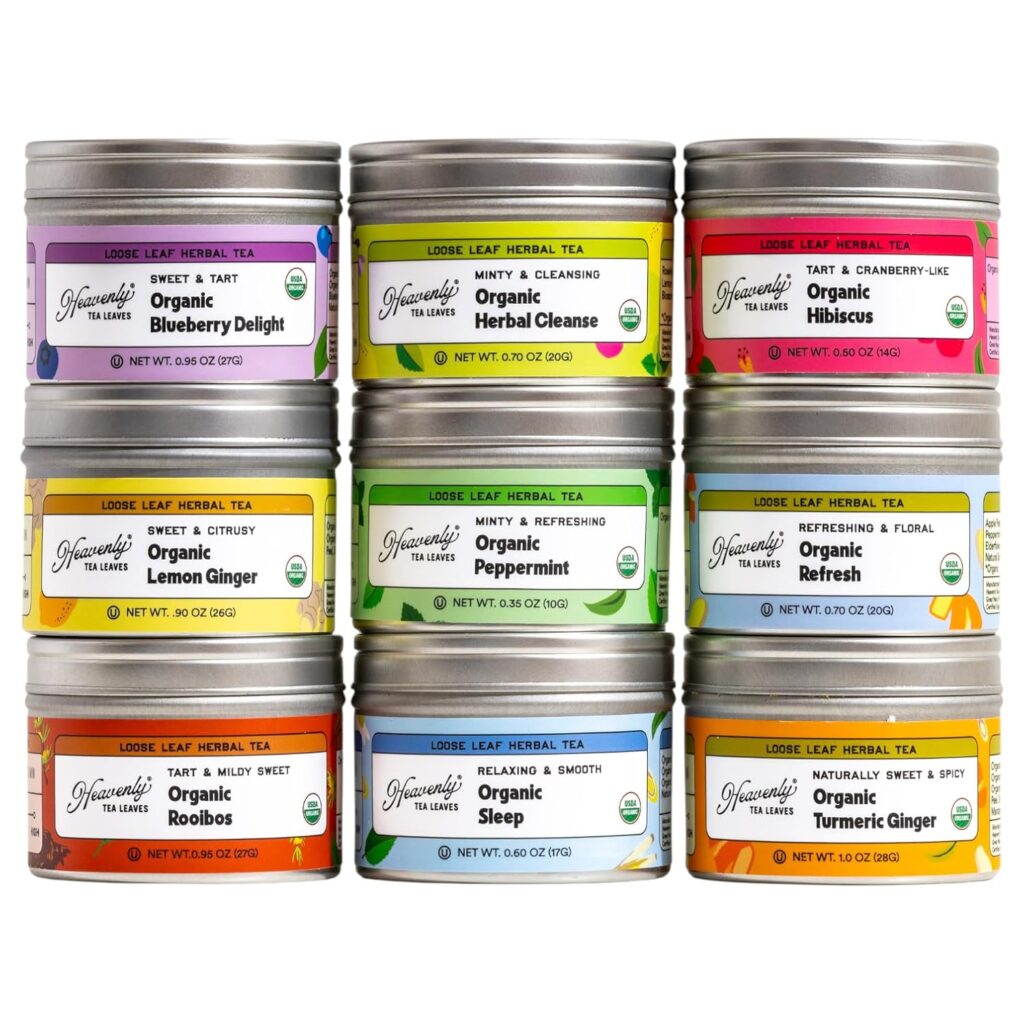
For a solid all-in-one starter kit, organic loose leaf herbal tea samplers are a convenient way to try multiple herbs before committing to bulk quantities. They’re widely available and reasonably priced.
When to See a Doctor
Herbal teas are gentle, generally safe, and genuinely useful for everyday wellness. But they are not medicine.
- If symptoms like nausea, insomnia, or digestive issues are severe or persistent, get evaluated — herbal tea won’t fix an underlying condition.
- Several herbs in this guide interact with medications: licorice root with antihypertensives, echinacea with immunosuppressants, hibiscus with blood pressure drugs.
- Pregnant or breastfeeding? Check with your doctor before using any herb beyond basic chamomile or ginger in modest amounts.
- Children under 2 should not be given herbal teas without pediatric guidance.
The information in this article is for educational purposes only and does not constitute medical advice. Always consult a qualified healthcare professional before using herbs to treat a health condition.
Frequently Asked Questions
Can I mix multiple herbs in one tea?
Yes — most of these recipes already do. Stick to 2–3 herbs per blend so you can actually taste (and track) what you’re consuming. The more complex the blend, the harder it is to identify what’s helping if something doesn’t agree with you.
How long should I steep herbal tea?
Delicate flowers and leaves: 5–8 minutes. Roots and bark: 10–20 minutes via decoction. Over-steeping delicate herbs makes them bitter; under-steeping roots means weak flavor and less potency.
Can I drink herbal tea every day?
Most of these recipes are fine for daily use. Exceptions: echinacea (cycle on/off), licorice root (limit frequency if you have high blood pressure), and high-dose hibiscus (if on blood pressure medication).
Is fresh or dried herb better for tea?
Both work well. Fresh herbs tend to taste more aromatic and bright; dried herbs are more concentrated and convenient. Use roughly 3x the amount of fresh herb compared to dried.
Can I use herbal tea bags instead of loose herbs?
Yes, though quality varies a lot by brand. Many commercial tea bags contain herb dust rather than whole leaf, which is less potent. For the recipes above, loose dried herbs give you more control and generally better results.
What’s the best herbal tea for an upset stomach?
Ginger, peppermint, chamomile, and fennel are all well-supported options. The best one depends on your specific symptom — nausea, cramping, bloating, or acid. Our full guide on herbal tea for upset stomach breaks this down by symptom.
Summary
Making your own herbal tea recipes at home puts you in control — of ingredients, potency, and purpose. Whether you want better sleep, less bloating, stronger immunity, or just a warm mug that doesn’t cost $6 at a café, the herbs and recipes above give you a practical starting point.
Start with one or two that match your current needs. Get the ingredients fresh. Pay attention to how your body responds. That’s the entire system.
And if you want to go deeper on specific herbs, our guides on rosemary herbal tea, parsley tea, and herbal tea for sleep are worth bookmarking.